At a Glance
- North Korea launched ballistic missiles toward eastern waters hours before South Korean President Lee Jae Myung left for China.
- The launches prompted Japan, the U.S., and allies to react.
- The event heightens tensions ahead of North Korea’s upcoming party congress.
- Why it matters: The missiles and diplomatic responses increase uncertainty on the Korean Peninsula and could affect regional stability.
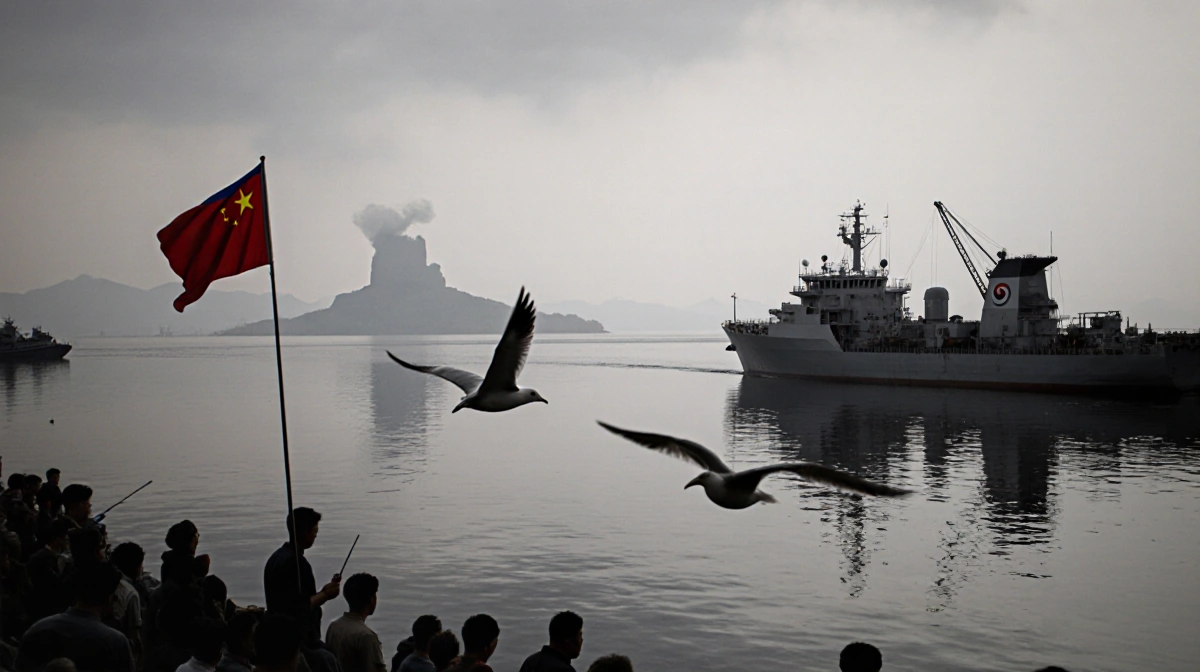
North Korea fired several ballistic missiles toward its eastern waters on Sunday, just hours before South Korean President Lee Jae Myung departed for China. The launches drew immediate reactions from Japan, the United States, and regional allies, and come as North Korea prepares for a rare party congress.
Launch Details and Regional Reactions
South Korea’s Joint Chiefs of Staff reported detecting multiple missile launches from the capital region around 7:50 a.m., with the missiles traveling roughly 900 km. The launches violated U.N. Security Council resolutions that prohibit ballistic activities by North Korea.
- 900 km flight distance
- 7:50 a.m. launch time
- 2+ launches confirmed
Japanese Defense Minister Shinjiro Koizumi stated:
> “They are a serious problem, threatening the peace and security of our nation, the region and the world.”
U.S. military stated:
> “The United States remains committed to the defense of the U.S. homeland and our allies in the region.”
| Country | Statement |
|---|---|
| Japan | “They are a serious problem, threatening the peace and security of our nation, the region and the world.” |
| U.S. | “The United States remains committed to the defense of the U.S. homeland and our allies in the region.” |
| North Korea | “The U.S. operation again shows the rogue and brutal nature of the U.S.” |
Political Context and Upcoming Party Congress
North Korea’s missile tests are part of a broader weapons display ahead of its Workers Party congress, the first in five years. Analysts say the country seeks to showcase its defense achievements and possibly set new policies on the U.S. and resume stalled talks.
- Congress likely in January or February
- Kim Jong Un has increased leverage after aligning with Russia and China
- Missile tests aim to reinforce deterrence
Diplomatic Implications and U.S. Operation in Venezuela
The launches followed a U.S. military operation that removed Venezuelan leader Nicolás Maduro and brought him to the U.S. for trial, an action the North Korean Foreign Ministry condemned as an encroachment on sovereignty.
North Korean Foreign Ministry stated:
> “The U.S. operation again shows the rogue and brutal nature of the U.S.”
Leif-Eric Easley, professor of international studies at Ewha Womans University, said:
> “Kim Jong Un may feel vindicated about his efforts to build a nuclear deterrent, as he likely did after Trump’s strikes on Iran. However, leaders of hostile regimes will probably live with greater paranoia after seeing how quickly Maduro was extracted from his country to stand trial in the United States.”
The Korean Central News Agency reported that Kim visited a weapons factory on Saturday to review multipurpose precision-guided weapons, ordering officials to expand production capacity by about 2.5 times. On Sunday, North Korea test-fired long-range strategic cruise missiles, and on Dec. 25 it released photos showing progress in building its first nuclear-powered submarine.
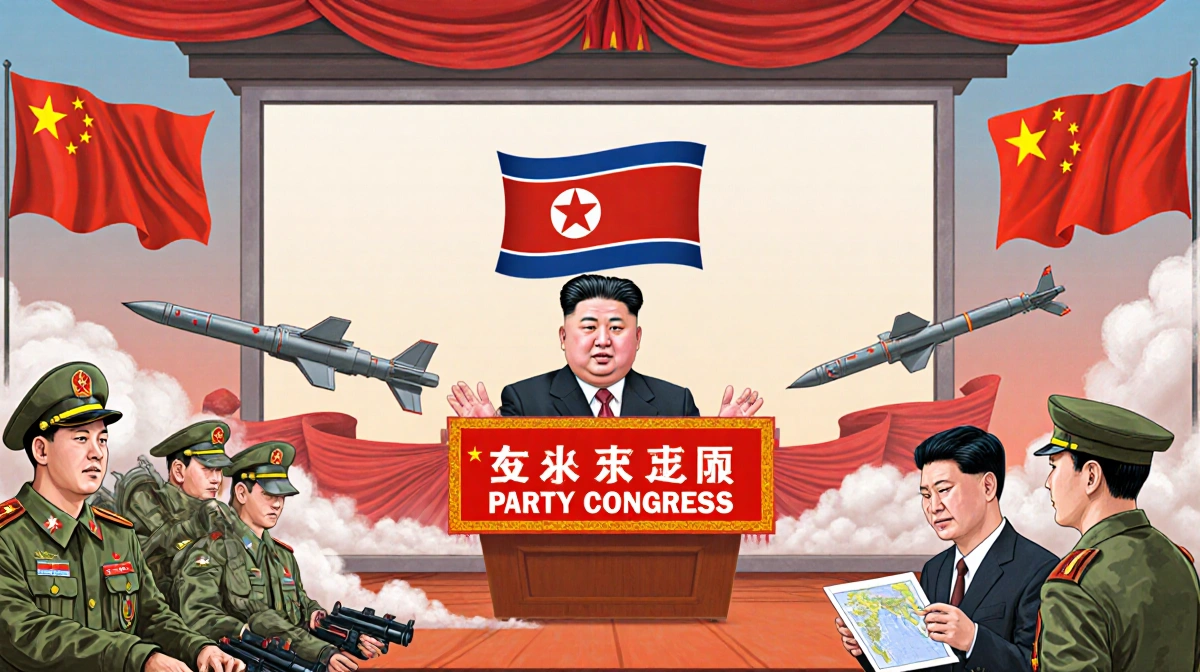
The missile launches and diplomatic tensions underscore the volatile security environment on the Korean Peninsula, as North Korea seeks to assert its power while South Korea and its allies push for renewed dialogue.