November’s existing home sales slipped 1% from a year ago, even as the median price climbed to a record $409,200. The shift comes after a seasonally adjusted annual rate of 4.13 million units, up 0.5% from October, according to the National Association of Realtors (NAR). While the pace is slightly below the 4.14 million forecasted by economists, the data underscore a persistent slowdown in the market.
Sales Trends
Existing home sales rose 0.5% from October to a seasonally adjusted annual rate of 4.13 million units, the NAR reported on Friday. Compared with November of the previous year, sales fell 1%, marking the first decline in a year since May. Over the first 11 months of 2024, sales are down 0.5% compared with the same period last year. Lawrence Yun, NAR’s chief economist, said, “It’s possible that 2025, unless December (sales) figures really improve, we may be technically slightly down from one year ago.” He also noted weaker demand for condominiums, with condo sales down 6% so far this year.
Price Growth
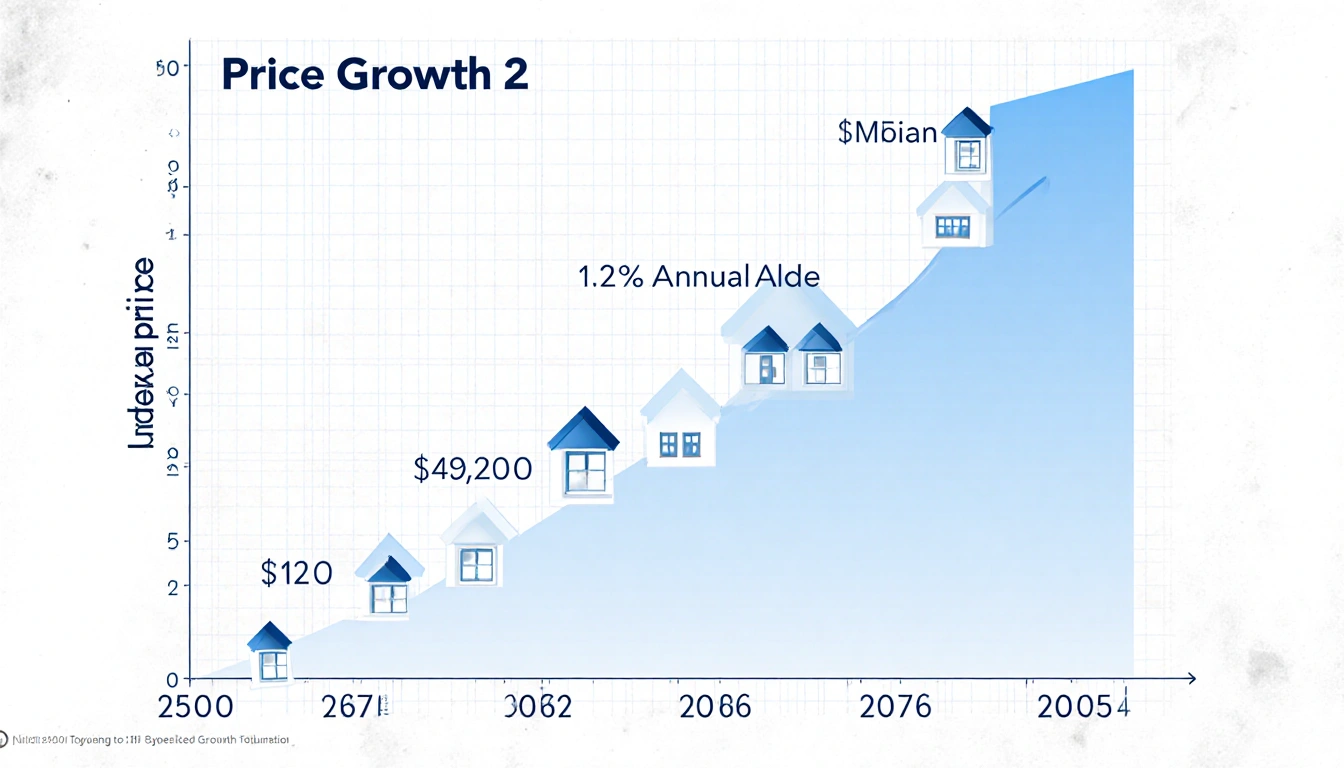
Despite sluggish sales, home prices continued to climb last month. The national median sales price increased 1.2% in November from a year earlier to $409,200, an all-time high for any November on data going back to 1999. Home prices have risen on an annual basis for 29 months in a row, even as the housing market has been mired in a slump that began in 2022 when mortgage rates began climbing from historic lows. Sales of previously occupied U.S. homes sank last year to their lowest level in nearly 30 years.
Mortgage Rates and Affordability
Home sales got a boost this fall as the average rate on a 30-year mortgage declined at the end of October to 6.17%, the lowest level in more than a year. Affordability remains a challenge for many aspiring homeowners, especially first-time buyers who don’t have equity from an existing home to put toward a new purchase. Uncertainty over the economy and job market are also keeping many would-be buyers on the sidelines. A shortage of homes for sale, especially on the affordable end of the market, continues to weigh heavily on first-time homebuyers. They accounted for 30% of homes sold last month, down from the historical 40%. An annual survey of homebuyers by NAR showed first-time buyers accounted for an all-time low 21% of home purchases between July 2024 and June 2025, while the average age of such homebuyers rose to a record-high of 40.
Inventory and Market Balance
Homes purchased last month likely went under contract in September and October, when the average rate on a 30-year mortgage ranged from 6.5% to 6.17%, according to Freddie Mac. Mortgage rates have mostly remained close to their October low in recent weeks. Home shoppers who can afford to buy at current rates benefited from a wider selection of properties last month than a year ago, although the number of homes for sale in November declined from the previous month. There were 1.43 million unsold homes at the end of last month, down 5.9% from October and up 7.5% from November last year, NAR said. The latest inventory snapshot remains well below the roughly 2 million homes for sale that was typical before the COVID-19 pandemic. November’s month-end inventory translates to a 4.2-month supply at the current sales pace. Traditionally, a 5- to 6-month supply is considered a balanced market between buyers and sellers.
Future Outlook
Yun is forecasting that existing U.S. home sales will jump 14% next year. That’s more optimistic than several other housing economist forecasts, which range from a 1.7% to 9% increase. Economists generally forecast that the average rate on a 30-year mortgage will remain slightly above 6% next year.
Key Takeaways
- Existing home sales slipped 1% from a year ago, but the median price hit a record $409,200.
- Inventory sits at a 4.2-month supply, well below the 5- to 6-month balance.
- Yun projects a 14% rise in sales next year, with mortgage rates staying just above 6%.
The market continues to grapple with high rates and a tight inventory, but price gains persist as demand outpaces supply in a segment of buyers willing to pay premium rates.