
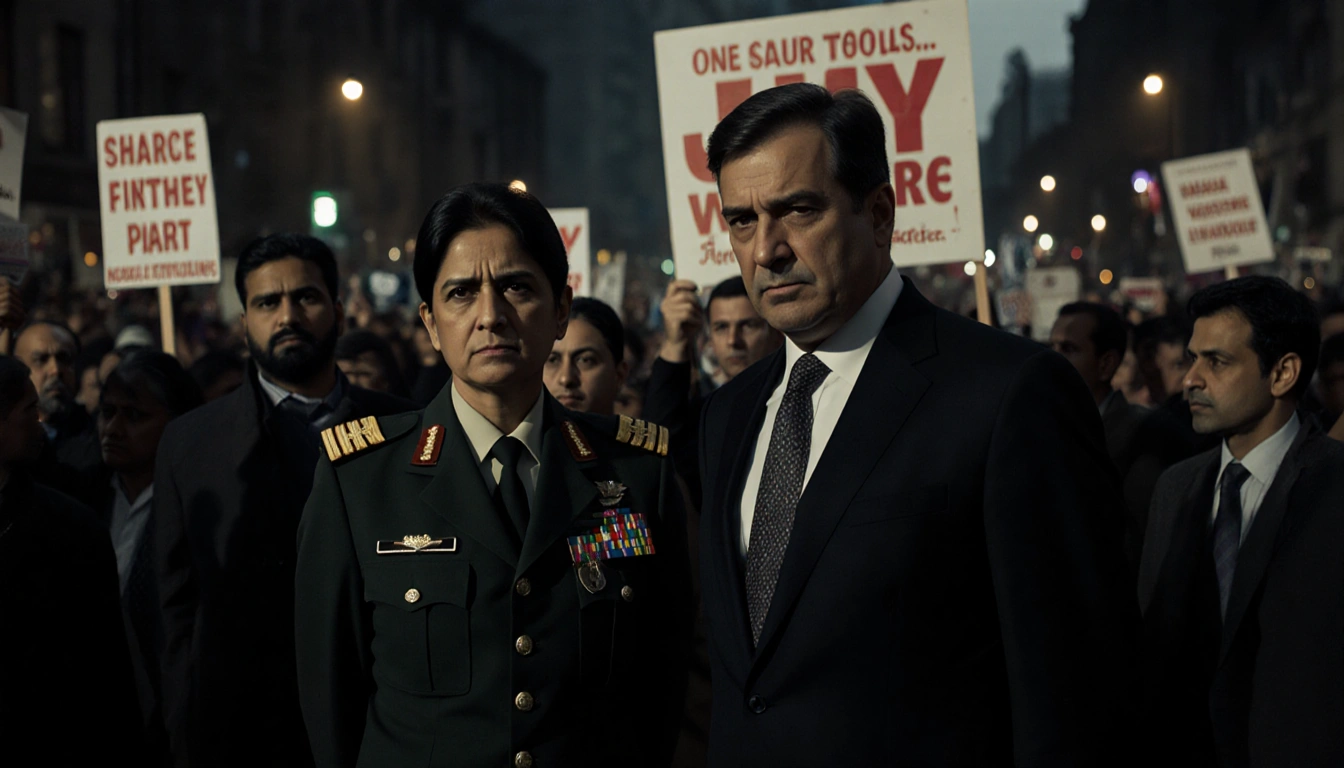
A viral clip from a Bradford rally in the United Kingdom has prompted Pakistan to summon the British deputy high commissioner for an urgent inquiry.
The Video That Sparked the Diplomatic Row
The clip shows a woman rallying in support of former Prime Minister Imran Khan, Pakistan’s imprisoned opposition leader. During the rally she declared that Pakistan’s chief of defence staff, General Asim Munir, would die in a possible car-bomb attack. The video was posted by the British chapter of Khan’s Pakistan Tehreek-e-Insaf party on X and was later removed.
Pakistan’s Diplomatic Response
The Pakistani Ministry of Foreign Affairs called Matt Cannell, the deputy high commissioner in London, on Friday. Officials demanded an investigation into the woman’s remarks, which they say threaten the life of the army chief. The ministry also highlighted the need for the United Kingdom to provide all relevant material to its police liaison, as the UK High Commission in Islamabad stated that any content that appears to break UK law will be reviewed and may lead to a criminal investigation.
The Bradford Rally in Context
The rally took place days after a Pakistani court sentenced Imran Khan and his wife Bushra Bibi to 17 years in prison for allegedly retaining and selling state gifts, including Saudi-origin jewelry, below market value while Khan was in office. Khan, who was ousted in a no-confidence vote in April 2022, has been in prison for two years on a corruption conviction and remains popular with many supporters.
Interior Minister Calls for Legal Action
Deputy interior minister Talal Chaudhry told Geo Television that while Khan’s party has been inciting supporters against the military, the “car bomb threat” at the Bradford rally “crossed all limits.” He added, “It doesn’t fall into the category of freedom of speech,” and urged the UK government to investigate and take legal action.
Rising Tensions Between Khan’s Party and the Military
Tensions have escalated in recent weeks. Army spokesperson Lt. Gen. Ahmed Sharif Chaudhry described Khan as “mentally ill” during a December 5 news conference, following posts on Khan’s official X account that called General Munir “mentally unstable.” Many of Khan’s supporters accuse Munir of being behind their leader’s imprisonment.
Munir’s Rising Profile Amid Border Skirmishes
General Munir rose to prominence earlier this year after Pakistan said it repelled India in a four-day border conflict. The nuclear-armed rivals exchanged tit-for-tat strikes in May, following an Indian operation targeting militants inside Pakistan, whom New Delhi accused of involvement in the killing of 26 tourists in India-controlled Kashmir.
Khan’s Allegations of a Conspiracy
Khan has repeatedly alleged that his removal was part of a U.S.-backed conspiracy supported by Pakistan’s military. These claims have been rejected by Washington, the military and Khan’s political opponents.
The Role of the UK Police Liaison
The UK High Commission’s statement clarified that when a foreign government believes a crime has been committed, it should provide all relevant material to the UK police liaison. Any material that appears to break UK law will be reviewed by the police and may lead to a criminal investigation.
International Law and Freedom of Speech
Talal Chaudhry’s remarks highlight the delicate balance between freedom of speech and threats to public safety. While the Pakistani government views the woman’s comments as a criminal threat, the UK authorities are expected to assess whether the remarks violate local laws.
The Broader Political Fallout
The incident underscores the fraught relationship between Pakistan’s civilian opposition and its military establishment. It also illustrates how domestic political disputes can spill over into international diplomatic arenas.
Key Takeaways
- Pakistan has summoned Britain’s deputy high commissioner after a Bradford rally video threatened the life of army chief General Asim Munir.
- The Pakistani interior minister called the remarks “crossing all limits” and urged the UK to investigate.
- The incident follows a recent court sentencing of Imran Khan and his wife and heightened tensions between Khan’s party and the military.
The video-driven diplomatic confrontation reflects deep political rifts within Pakistan and raises questions about how such threats are handled under UK law. Both governments face the challenge of balancing diplomatic protocols with legal accountability, while the broader international community watches how the situation evolves.