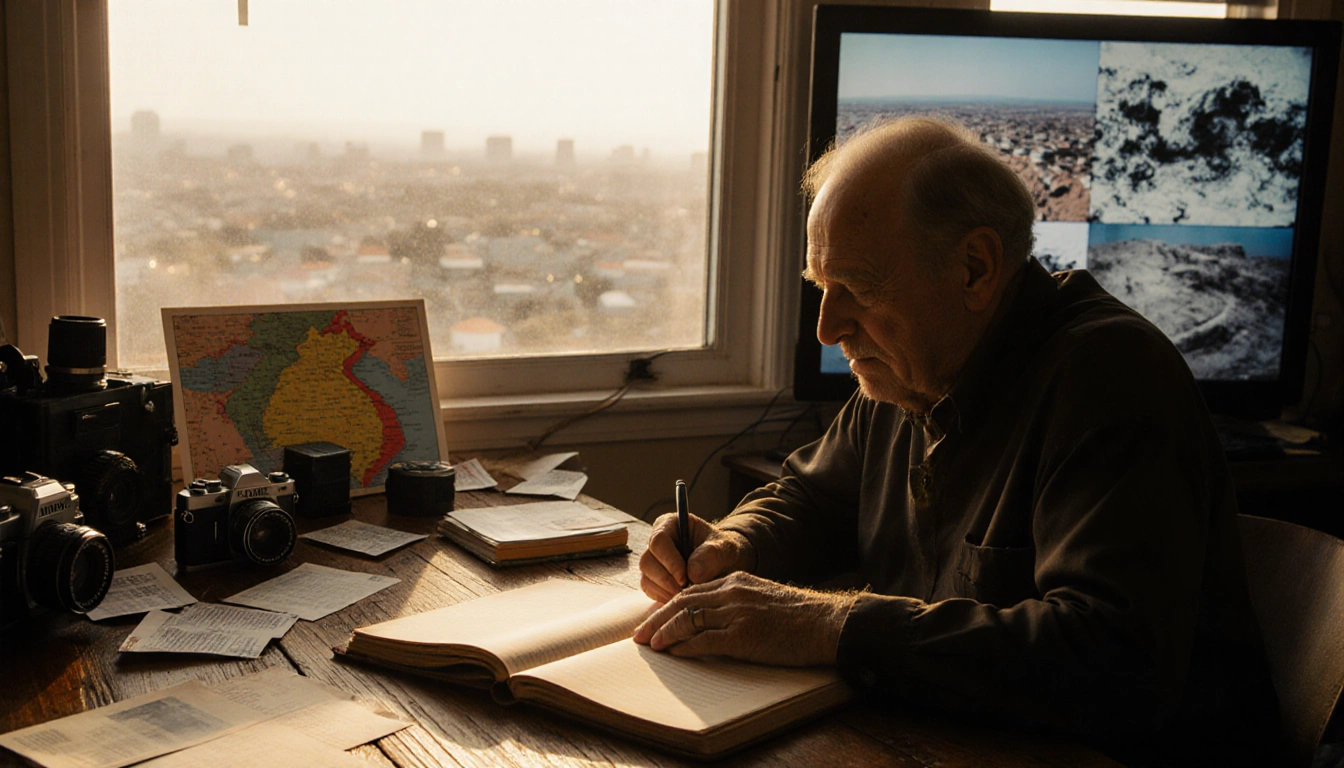
Peter Arnett, the Pulitzer-winning correspondent who brought the world firsthand accounts from Vietnam to Iraq, died Wednesday at 91 in Newport Beach, surrounded by friends and family.
Early Life and First Steps in Journalism
Peter Arnett was born on Nov. 13, 1934, in Riverton, New Zealand. After high school he landed a job at his local newspaper, the Southland Times. He recalled, “I didn’t really have a clear idea of where my life would take me, but I do remember that first day when I walked into the newspaper office as an employee and found my little desk, and I did have a – you know – enormously delicious feeling that I’d found my place.”
He later moved to London, but a stop in Thailand changed his path. There he worked for the English-language Bangkok World and later for its sister paper in Laos, connections that led him to the Associated Press and a lifelong career covering war zones.
Vietnam and Pulitzer Prize
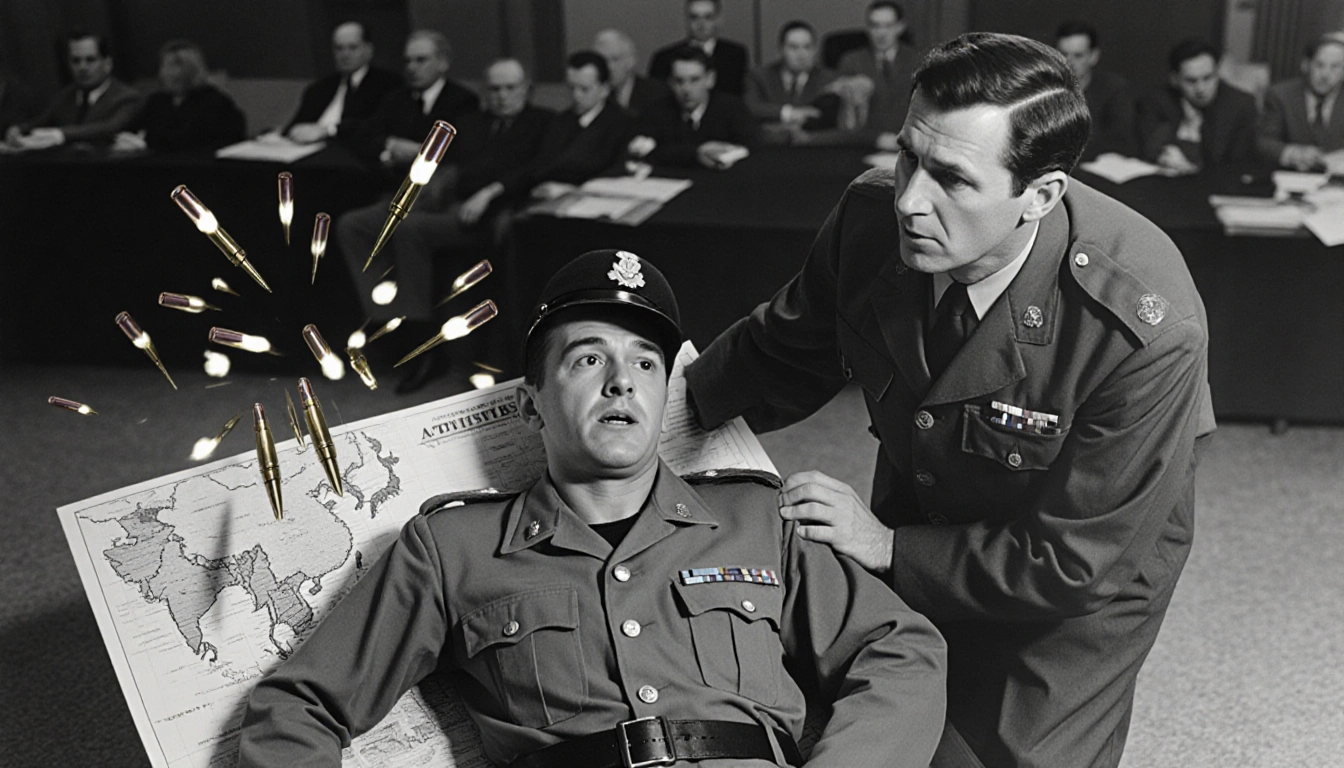
Arnett joined the AP as its Indonesia correspondent, but was expelled after reporting on the country’s economic collapse. He arrived in Vietnam in 1962 as a wire-service correspondent. During a 1966 interview with the American Library Association, he recounted being shot at while standing beside a U.S. colonel: “I heard four loud shots as bullets tore through the map and into his chest, a few inches from my face.” He began the fallen soldier’s obituary with a poignant note: “He was the son of a general, a West Pointer and a battalion commander. But Lt. Colonel George Eyster was to die like a rifleman…”
Arnett’s Vietnam reporting earned him the 1966 Pulitzer Prize for international reporting. He stayed in Saigon until the city fell in 1975, and later shipped his papers to New York rather than destroy them, believing they would hold historic value.
Gulf War and Television Breakthrough
In 1991, Arnett broadcast live updates for CNN from Iraq during the first Gulf War. While most Western reporters fled Baghdad, he stayed and gave a cellphone-live account as missiles struck the city: “There was an explosion right near me, you may have heard,” he said in a calm, New Zealand-accented voice. He later noted, “I think that took out the telecommunications center… They are hitting the center of the city.”
His television career continued with CNN until 1999. He interviewed Saddam Hussein and Osama bin Laden, published a memoir in 1995, and later worked for NBC and National Geographic. He was fired in 2003 after an interview on Iraqi state TV that criticized U.S. war strategy.
Later Years and Teaching
After leaving CNN, Arnett taught journalism at China’s Shantou University in 2007. He retired in 2014 and moved with his wife, Nina Nguyen, to Fountain Valley, Southern California.
Personal Life and Legacy
Arnett was survived by his wife, Nina Nguyen, and their children, Elsa and Andrew. His son, Andrew Arnett, said, “He was surrounded by friends and family.” Former AP photographer Nick Ut, who covered combat with Arnett for half a century, remarked, “He was like a brother. His death will leave a big hole in my life.”
AP journalist Audrey McAvoy contributed to this report.
Key Takeaways
- Peter Arnett, 91, died in Newport Beach after a career spanning Vietnam, Iraq, and beyond.
- He won a Pulitzer Prize in 1966 and became a household name during the Gulf War.
- His legacy includes frontline reporting, controversial interviews, and teaching journalism in China.
Peter Arnett’s death marks the end of an era for war correspondents who risked life and limb to bring the world news from the front lines.