At a Glance
- Phone can track steps automatically without wearables
- Android needs Health Connect plus third-party apps for full tracking
- Apps like Sleep Cycle, Sleep as Android, Strava, and camera-based heart-rate tools let phones replace many wearables
- Why it matters: Users can monitor fitness and health on their phone, saving money and simplifying data collection
While most people think a smartwatch is needed to track steps, sleep, or heart rate, both iPhone and Android smartphones already have the tools to do most of the work-often for free.
Built-In Tracking on iPhone
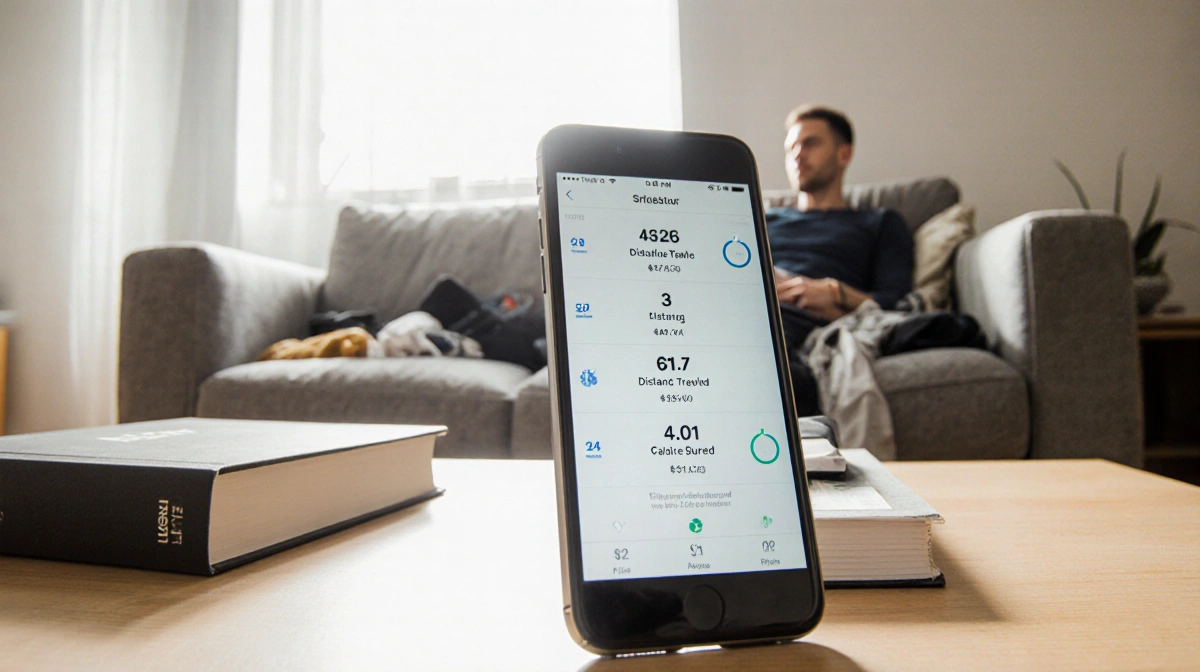
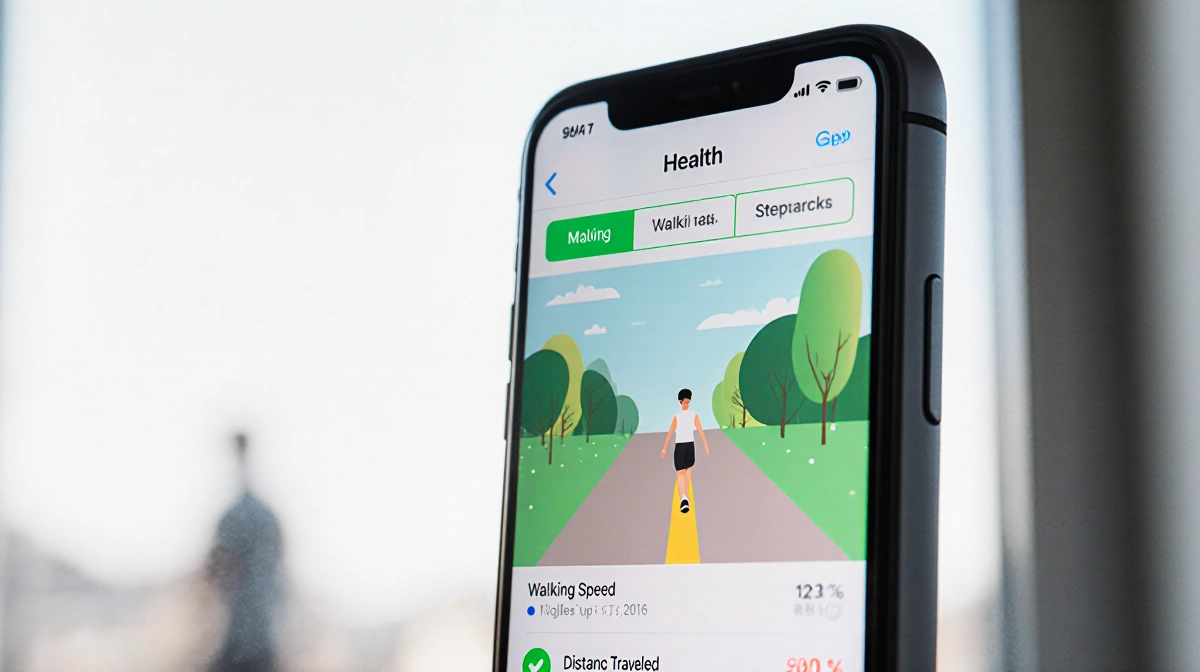
The iPhone’s Health app logs steps automatically using its motion sensors. Users can view walking speed, distance, and total minutes moved by opening the app and selecting Devices. Manual entries for diet, sugar, or other metrics are also possible.
- Steps and distance are tracked automatically.
- Walking speed and distance appear in the app.
- Users can manually log diet, sugar, or other health data.
Android’s Health Connect and Third-Party Apps
Android’s Health Connect is a hidden tool that collects data only when connected to other apps. Fitbit, which ships with many Android phones, can link to Health Connect and count steps without a separate tracker. Samsung Health also works similarly and can sync to Health Connect.
- Health Connect collects data from connected apps.
- Fitbit counts steps via the phone alone.
- Samsung Health logs steps and can sync to Health Connect.
Apps That Fill the Gaps
When a phone can’t track a metric by itself, a third-party app can step in. Sleep Cycle and Sleep as Android let users monitor sleep by placing the phone on the mattress. Strava records walking, running, and cycling using the phone’s GPS. Cardiio and Heart Rate Monitor use the camera to capture heart-rate readings.
- Sleep monitoring without wearables.
- GPS-based activity tracking.
- Camera-based heart-rate measurement.
| Feature | iPhone | Android |
|---|---|---|
| Steps | Built-in | Built-in via Health Connect + apps |
| Sleep | No built-in | No built-in, but apps available |
| Heart rate | No built-in | No built-in, but camera apps |
Together, these tools let users keep most health data in one place, whether they choose to wear a device or rely solely on their phone.
Key Takeaways
- Users can track steps, sleep, and heart rate using only their phone.
- Android phones need Health Connect and third-party apps for full tracking.
- Free apps can replace many wearables, saving money and simplifying data collection.
With the right apps, a smartphone can handle most fitness tracking tasks, freeing users from the need for a dedicated smartwatch.