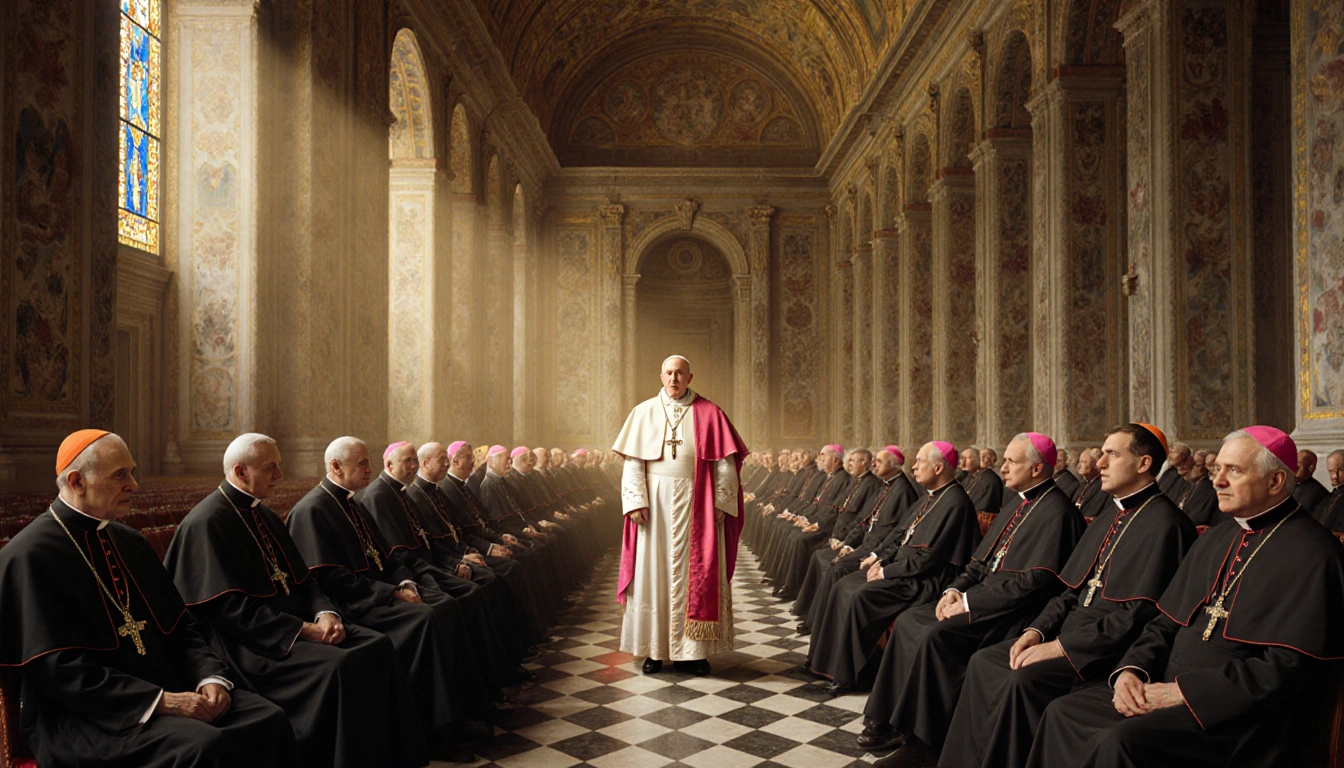
Pope Leo XIV has summoned every cardinal in the world to Rome for a two-day meeting, a clear signal that his pontificate is officially taking shape. The gathering, known as a consistory, will run from January 7 to January 8, immediately after the conclusion of the 2025 Holy Year on January 6.
The Holy Year and Its Significance
The 2025 Holy Year is a once-every-quarter-century celebration of Christianity, a time of pilgrimage, special Jubilee audiences, and Masses that draw believers from around the globe. Pope Leo XIV spent his first months fulfilling the weekly obligations of this Holy Year, meeting with pilgrimage groups and celebrating the special audiences that are a hallmark of the Jubilee.
Wrapping Up the Legacy of Pope Francis
In addition to the Holy Year duties, Leo has devoted considerable time to closing out the outstanding matters that were left by his predecessor, Pope Francis. This work has kept him busy, leaving little room to set his own agenda before his election on May 8.
The First Consistory After a Historic Election
Leo’s election on May 8 made history as he became the first American pope. The January consistory therefore marks the first opportunity for him to look forward to his own priorities. Summoning all cardinals to Rome underscores the significance of this moment for the universal Church.
A Shift from Past Governance Practices
Pope Francis had largely avoided the consistory tradition as a tool for governance. Instead, he relied on a small circle of eight or nine hand-picked cardinal advisers to help him make key decisions. Leo’s decision to convene a full consistory represents a departure from that approach.
Vatican’s Statement on the Consistory’s Purpose
The Vatican released a statement on Saturday announcing that Leo’s first consistory “will be oriented toward fostering common discernment and offering support and advice to the Holy Father in the exercise of his high and grave responsibility in the government of the universal Church.” This wording highlights the consultative nature of the meeting.
No New Cardinals, Purely Consultative
While consistories often include the formal installation of new cardinals, the January meeting will not feature any new appointments. The gathering is described as purely consultative, focusing on discussion and guidance rather than on expanding the College of Cardinals.
What the Consistory Means for the Church
By bringing together all cardinals, Leo signals a willingness to engage broadly with the Church’s leadership. The focus on common discernment suggests that he values collective insight as he prepares to steer the Church’s future.
The Role of the Consistory in Papal Governance
Traditionally, consistories have served as a forum where the pope can consult with senior clergy and make decisions on matters of doctrine, discipline, and administration. Leo’s use of this format indicates his intent to involve the wider cardinalate in shaping his agenda.
Closing Thoughts
The two-day consistory on January 7-8 marks a pivotal moment for Pope Leo XIV. It is the first occasion in his papacy where he can step back from the immediate demands of the Holy Year and the legacy of his predecessor to outline his own vision for the Church. By convening all cardinals, he invites a wide range of perspectives, setting the stage for a collaborative approach to governance.
Key Takeaways
- Pope Leo XIV convenes a two-day consistory on January 7-8 to discuss his agenda.
- The meeting follows the 2025 Holy Year, a rare quarter-century celebration.
- No new cardinals will be appointed; the event is purely consultative.
The consistory signals the start of Leo’s active governance and a shift toward broader collaboration with the Church’s senior clergy.