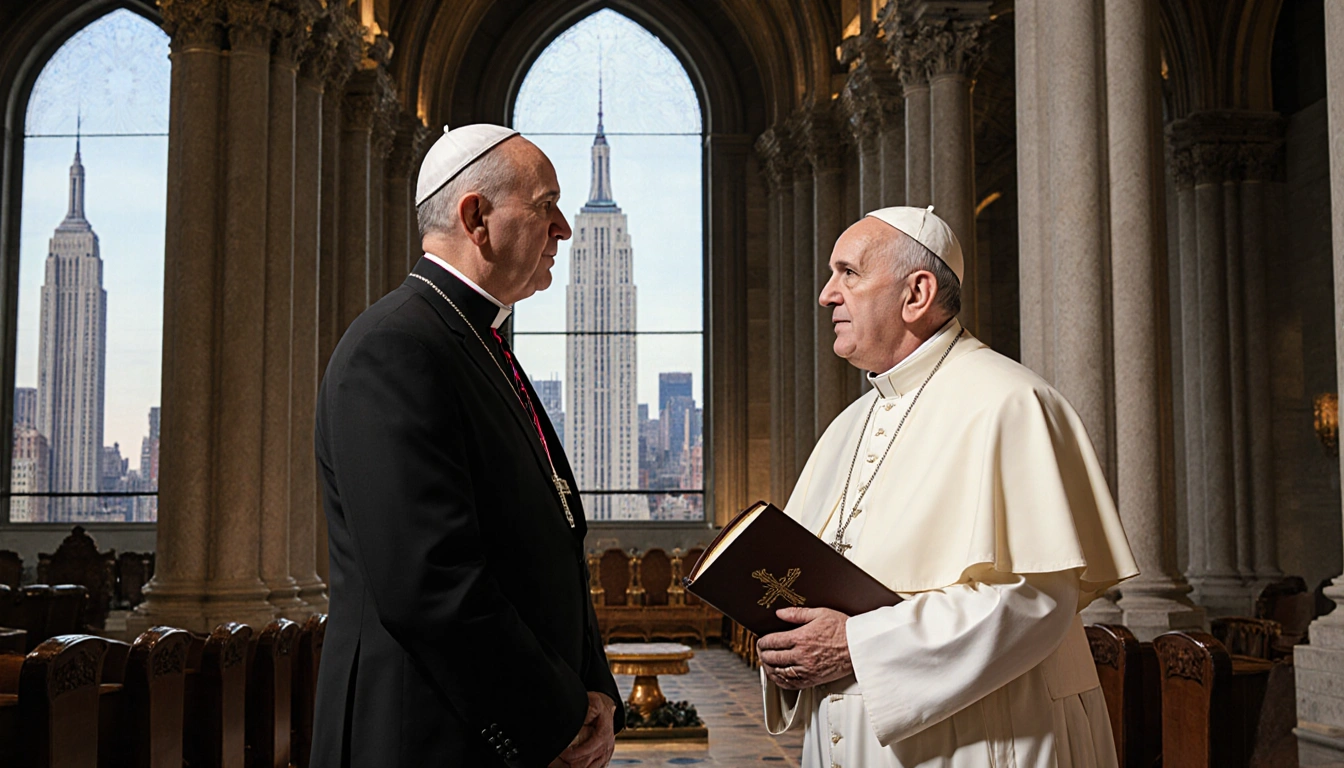
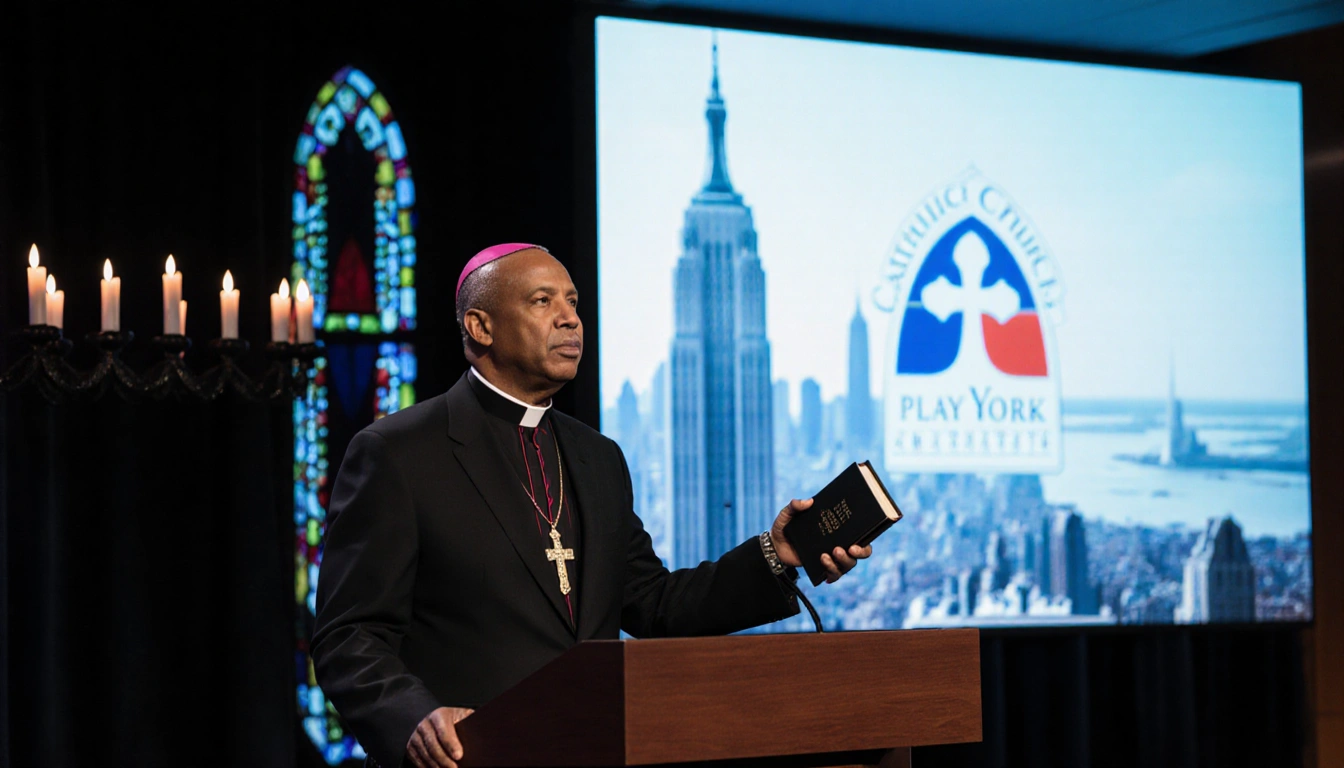
Pope Leo XIV announced on Thursday that Bishop Ronald Hicks of Joliet, Illinois, will become the next archbishop of New York, the largest U.S. archdiocese. The appointment marks the most significant U.S. decision made by the new pope.
Transition from Cardinal Dolan
Cardinal Timothy Dolan, who has led the archdiocese for over a decade, submitted his resignation in February after turning 75. Dolan had recently finalized a $300 million fund to compensate victims of sexual abuse who had sued the archdiocese. The Vatican often delays leadership changes when abuse litigation or other governance matters remain unresolved, but the handover now signals a new chapter for the U.S. Catholic Church.
Hicks’ First Words
At a news conference Thursday, Hicks said, “As a church, we can never rest in our efforts to prevent abuse, to protect children and to care for survivors.” He added, “While this work is challenging, it’s difficult, it’s painful, I hope it will continue to help in the areas of accountability, transparency and healing.”
Acceptance and Humility
“I accept this appointment with humility and an open heart,” Hicks told reporters. “I ask for your support and your prayers, and I ask God to support us as always.” His tone reflected the style the pope has shown in his own leadership.
Praise from a Long-time Associate
The Rev. Eusebius Martis, who has known Hicks since the mid-1980s, wrote that “He is a wonderful man, always thoughtful and attentive to the needs of seminarians.” Martis, a professor of sacramental theology at the Pontifical Liturgical Institute of Sant’Anselmo, praised the new archbishop’s character.
Immigration Stance
In November, Hicks endorsed a special message from the U.S. Conference of Catholic Bishops condemning the Trump administration’s immigration raids, which had targeted Chicago in particular. Hicks said the message “affirms our solidarity with all our brothers and sisters as it expresses our concerns, opposition, and hopes with clarity and conviction.” The statement was grounded in the church’s commitment to human dignity and a call for meaningful immigration reform.
Shared Chicago Roots
Both Hicks and Pope Leo, formerly Cardinal Robert Prevost, grew up in the Chicago area. Hicks first met the future pope in 2024 when Prevost visited one of his parishes for a public Q&A. Hicks recalled, “Five minutes turned into 10 minutes and the 10 minutes turned into 15 and the 15 turned into 20.” He added that the two shared the same parks, pools, and pizza places.
A Career in Service
Hicks began his ministry as a parish priest in Chicago and later served as dean of training at Mundelein Seminary. In 2015, Cardinal Blase Cupich named him vicar general of the archdiocese. Three years later, he became an auxiliary bishop, and in 2020 Pope Francis appointed him bishop of Joliet, overseeing roughly 520,000 Catholics.
Overseeing Abuse Settlements
One of Hicks’ first tasks will be to implement the abuse settlement fund that Dolan finalized. The fund will be financed by reducing the archdiocese’s budget and selling assets, aiming to cover settlements for most of the about 1,300 outstanding abuse claims. Hicks has experience managing fallout from abuse scandals, having led the Joliet diocese after a 2023 investigation found that 451 Catholic clergy abused 1,997 children in Illinois between 1950 and 2019.
Cardinal Dolan’s Support
When asked about the new appointment, Dolan said, “The last week, since I found out, I’ve gotten to know him, and I already love him and appreciate him and trust him.” Dolan had not known Hicks before he was chosen as his successor.
Key Takeaways
- Bishop Ronald Hicks, a Chicago native, will replace Cardinal Timothy Dolan as archbishop of New York.
- The new archbishop will oversee a $300 million abuse settlement fund and a broader abuse-prevention effort.
- Hicks has a history of defending immigrants and has spoken out against Trump-era immigration raids.
The appointment underscores Pope Leo XIV’s willingness to challenge the Trump administration on immigration and to confront the church’s abuse legacy. Hicks’ Chicago upbringing and shared background with the pope suggest a leadership style aligned with the new pontiff’s priorities.