At a Glance
- Prediction markets are gaining popularity in Texas as sports betting remains stalled.
- Major sportsbooks like FanDuel, DraftKings, and Fanatics have entered the prediction market space.
- Texas legal framework largely prohibits traditional betting, raising questions about the legality of prediction markets.
- Why it matters: Texans face new gambling options that could impact mental health and regulatory policy.
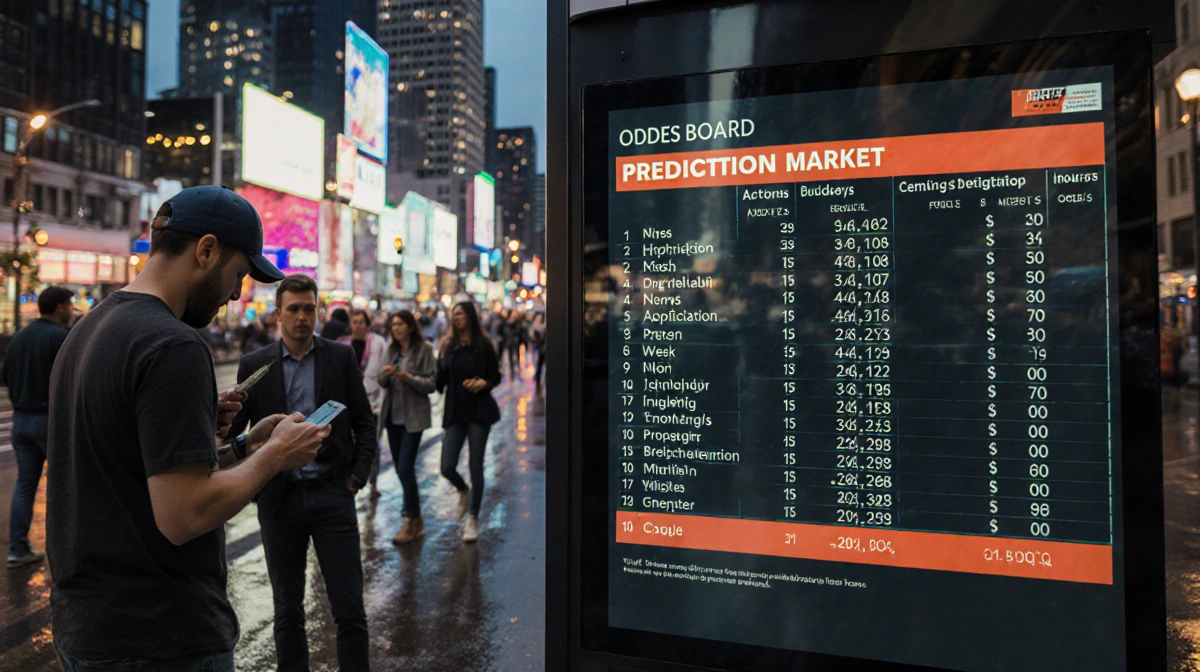
While Texas lawmakers have repeatedly stalled efforts to legalize sports betting, a new form of wagering-prediction markets-is rapidly expanding across the state. These markets let users trade on future events under a different regulatory regime, sparking legal and public-health debates.
The Rise of Prediction Markets
Prediction markets, popularized by sites such as Kalshi, Polymarket and Crypto.com, allow users to buy and sell contracts that pay out based on the outcome of real-world events. Kalshi, for example, operates under the Commodity Futures Trading Commission and is fully accessible to Texas residents.
Key offerings on Kalshi include:
- NFL MVP winner
- TSA passenger counts per week
In December, major sportsbook operators-FanDuel, DraftKings and Fanatics-launched their own prediction-market services, blending traditional betting with new trading mechanisms.
Texas Legal Landscape
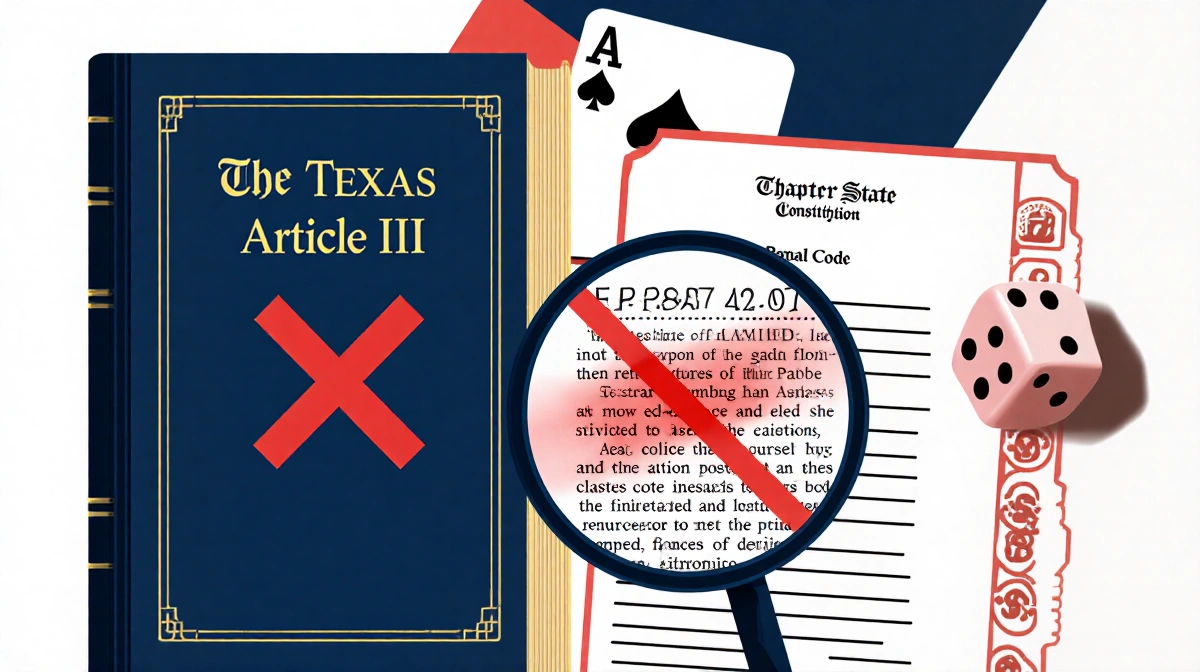
Texas‘s constitution and penal code explicitly forbid most forms of gambling. Article III of the Texas Constitution bans lotteries and gift enterprises, while Chapter 42.07 of the Texas Penal Code criminalizes betting on the result of a game or contest.
This stance mirrors the 2015-2016 dispute over daily fantasy sports, when the state’s Attorney General Ken Paxton issued a non-binding opinion declaring DFS sites illegal, a ruling later challenged by DraftKings.
| Law | Provisions | Impact on Prediction Markets |
|---|---|---|
| Texas Constitution, Article III | Prohibits lotteries and gift enterprises | Creates baseline opposition to betting |
| Texas Penal Code, Chapter 42.07 | Criminalizes bets on game outcomes | Extends to prediction-market contracts |
| CFTC regulation (Kalshi) | Governs commodity futures, swaps, options | Provides federal oversight for Kalshi |
In a recent case involving Kalshi and Maryland’s lottery director, 38 state attorneys general plus the District of Columbia filed a brief supporting state-level regulation of prediction markets, but Ken Paxton was among the few who did not sign.
Mental-Health Concerns
Advocates for keeping sports gambling illegal in Texas cite mental-health risks. A report from the Texas Public Policy Foundation linked rising problematic gambling and suicide rates in Ohio to the state’s legalization of mobile sports betting.
Kathryn “Nin” Emery, a Licensed Professional Counselor at Thriveworks in Cedar Park, said:
> “If I recall correctly, we saw that there was a “25-30%” increase in bankruptcies in states (that legalized mobile sports gambling) across the board (and) there was a “1%” decrease in credit scores.”
> “The difference with (playing on your) phones is that it can be hit after hit after hit, right? So I can have 30 different betting options in front of me and I can play on all of them… if you think about the slot machine dynamic, they call it the dark flow.”
> “It tends to be targeted at our – I want to call them kids – 18-, 19-, 22-year-olds,” she added. “Those are the hardest hits.”
Emery warns that the most vulnerable-young adults in the 18- to 22-year-old range-are the primary targets of mobile gambling platforms.
As Texas grapples with whether to regulate or prohibit prediction markets, the debate pits potential economic gains against public-health concerns, leaving the state’s gambling future uncertain.
Key Takeaways
- Prediction markets are legally ambiguous under Texas law but are gaining traction.
- Major sportsbooks have entered the market, expanding betting options for Texans.
- Legal and mental-health concerns remain at the center of the debate.