At a Glance
- Texas sparked a nationwide redistricting push.
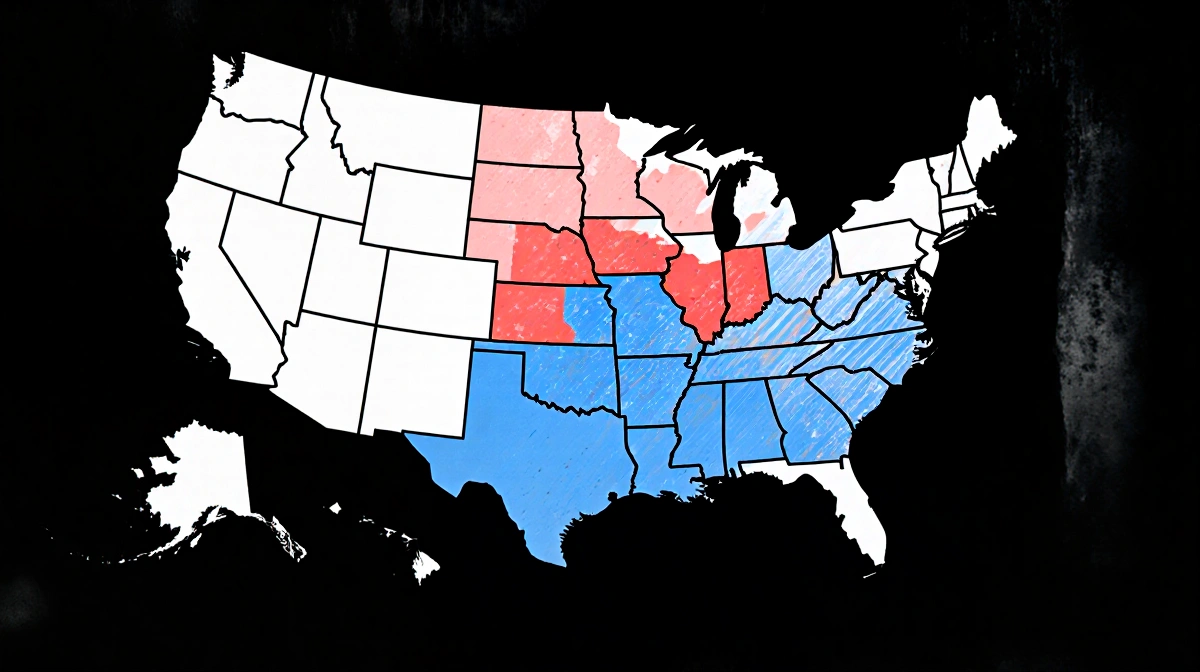
- Five states-Florida, Virginia, Illinois, Maryland, Kansas-redraw before the 2026 midterms.
- Florida Republicans aim to net GOP seats; Virginia Democrats seek a 10-1 map; Illinois Democrats hold a 14-3 advantage; Maryland Democrats hold a 7-1; Kansas Republicans face a GOP impasse.
- Why it matters: These decisions could shift congressional power ahead of the 2026 midterms.
The redistricting battle ignited by Texas’s new congressional map has ignited a wave of state-level actions. As the 2026 midterms loom, five states-Florida, Virginia, Illinois, Maryland, and Kansas-are poised to decide whether to redraw their districts.
Florida
Florida Republicans want a new GOP-favored House map that could net several seats. The state House panel met twice earlier this month, but Gov. Ron DeSantis and Senate GOP leaders plan to wait until spring for a special session. A key deadline of April 20 for federal candidates to file paperwork adds urgency.
- GOP-favored map could net several seats.
- House panel met twice; special session planned for spring.
- April 20 is the filing deadline for federal candidates.
Virginia
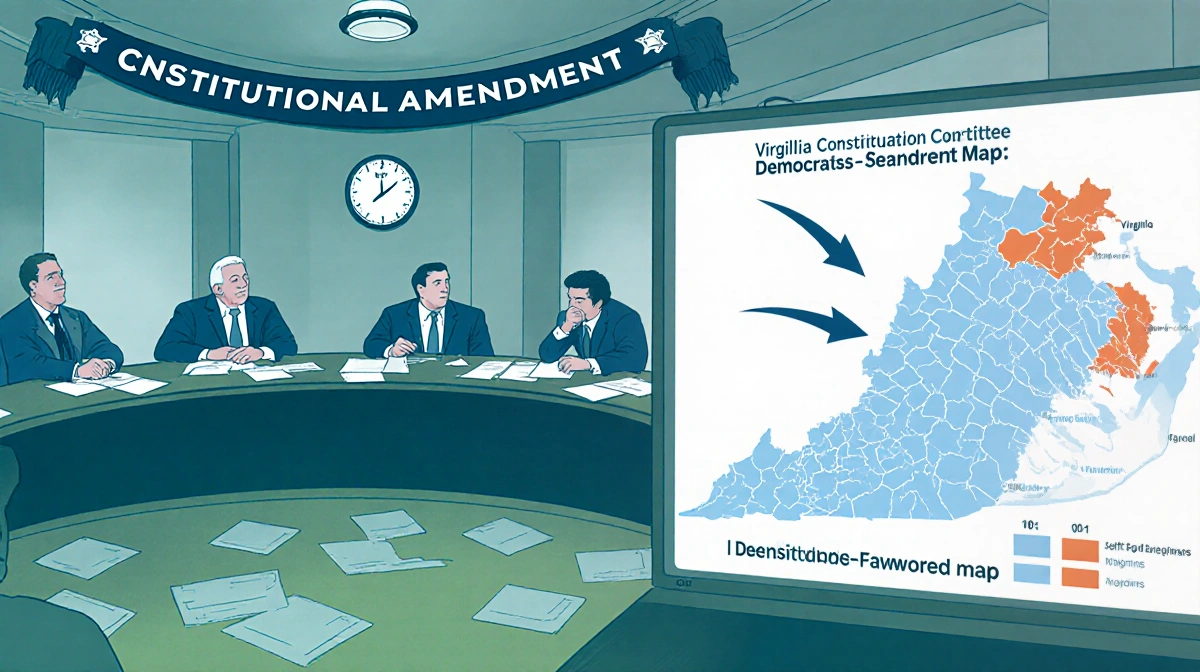
Virginia Democrats see a chance to net a few seats before the midterms. A constitutional amendment passed last fall allows mid-decade redistricting by 2030, but lawmakers must pass it again before a referendum. If voters approve, lawmakers could produce a 10-1 Democratic-favored map; Republicans will likely challenge it in court.
- Constitutional amendment permits mid-decade redistricting.
- Lawmakers need to re-pass amendment before referendum.
- Potential 10-1 Democratic-favored map; GOP likely to sue.
Illinois
Illinois Democrats hold a heavy advantage (14-3) but some oppose new lines. Gov. JB Pritzker said the state may respond if Indiana redraws, yet many Democrats favor keeping the status quo. After Texas’s map was allowed, Illinois House Speaker Emanuel Chris Welch said all options remain on the table.
- 14-3 Democratic advantage.
- Some Democrats oppose redistricting.
- Speaker says all options remain on the table.
Maryland
Maryland Democrats are split over redistricting. Gov. Wes Moore pushed forward, creating a commission that voted secretly to proceed, but Senate President Bill Ferguson criticized it. Democrats hold a 7-1 advantage and must avoid a court-rejected 8-0 map from 2020.
- Commission voted to proceed; Ferguson opposed.
- 7-1 Democratic advantage.
- 2020 8-0 map was rejected by a judge.
Kansas
Kansas Republicans face a wild card. Last year’s GOP impasse left the House without enough signatures for a special session, though the Senate secured enough. Republicans plan to fight again to redraw Rep. Sharice Davids’s 3rd District seat.
- GOP impasse left House without enough signatures.
- Senate secured enough signatures for special session.
- Republicans aim to redraw 3rd District seat.
Comparison Table
| State | Party Advantage | Key Deadline | Key Issue |
|---|---|---|---|
| Florida | GOP-favored map potential | April 20 | Special session in spring |
| Virginia | 6-5 Democratic edge | Spring/Summer referendum | 10-1 Democratic-favored map |
| Illinois | 14-3 Democratic advantage | None specified | Debate over redistricting |
| Maryland | 7-1 Democratic advantage | Feb. 24 filing deadline | Commission vs. Senate opposition |
| Kansas | GOP impasse | None specified | Redrawing 3rd District |
With the 2026 midterms approaching, these states could shape the balance of power in Congress, depending on how quickly they resolve redistricting disputes.
Key Takeaways
- Texas’s map sparked a nationwide redistricting push.
- Five states are on the brink of deciding new congressional maps before 2026.
- The outcomes could shift congressional control ahead of the midterms.
As the deadline approaches, each state’s decision will reverberate across the nation, potentially redefining the political landscape.