At a Glance
- A Knight of the Seven Kingdoms opens in 209 AC, a time of uneasy peace after the Targaryen civil war.
- The series highlights the last surviving dragons, the Great Spring Sickness, and a tournament that gathers the Seven Great Houses.
- Understanding the era’s context clarifies why the show feels both familiar and fresh for fans.
Why it matters: The show’s setting explains the political calm and looming threats that drive the plot.
Introduction
The new miniseries A Knight of the Seven Kingdoms returns to the world of Westeros at a unique point: 209 AC, a period that sits between the deadly Dance of the Dragons and the first sparks of the events that ultimately lead to Game of Thrones. This episode of history offers a glimpse into a time when dragons are almost extinct, the Targaryen dynasty still rules, and the Great Houses are preparing for the next wave of conflict.
Setting the Stage
The first season adapts George R.R. Martin’s short story The Hedge Knight. The novella’s timeline places the narrative 78 years after the Dance of the Dragons and 89 years before the inciting incident of Game of Thrones. The year 209 AC is significant because:
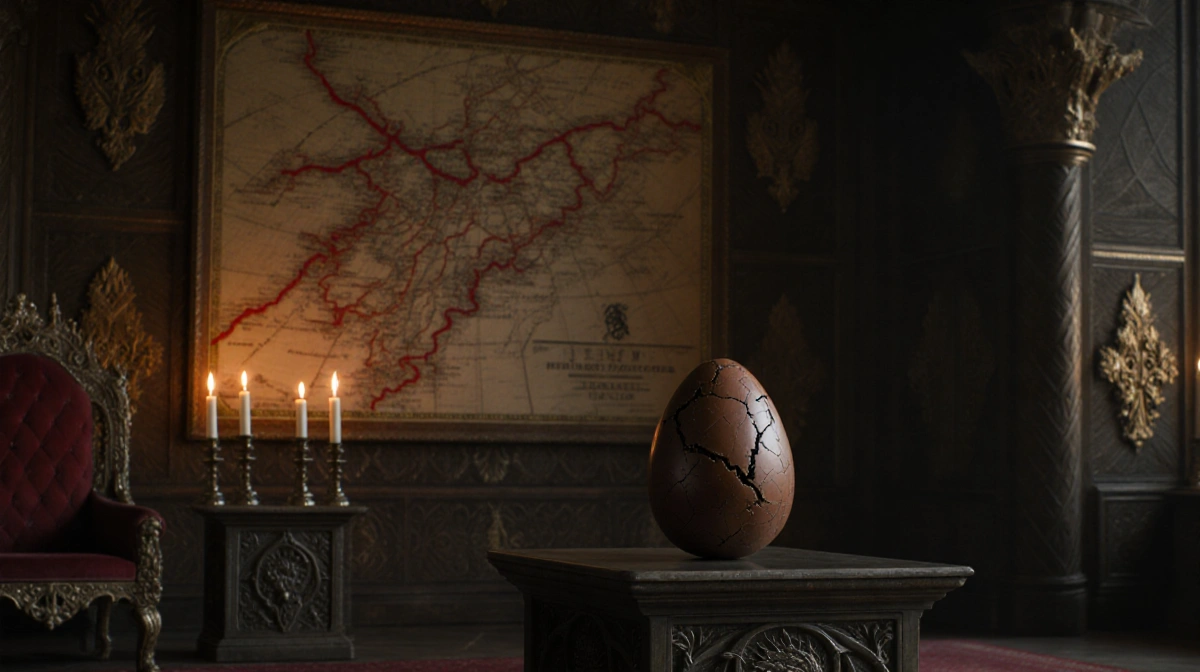
- It is 20 years after the last Targaryen dragon died in 153 AC.
- The Targaryen dynasty has survived a major rebellion, the first Blackfyre Rebellion, 14 years prior.
- The Great Spring Sickness begins in the same year, killing tens of thousands across Westeros.
These dates frame the political and social environment that the show portrays.
The Targaryen Dynasty in 209 AC
King Daeron II Targaryen, known as Daeron the Good, reigned during this era. He is celebrated for:
- Completing the negotiations started by his cousin, Baelor the Blessed, to unify Dorne with the rest of Westeros.
- Maintaining rule after the first Blackfyre Rebellion, which reshaped land holdings and brought a brief period of peace.
However, his reign ends in 209 AC with the outbreak of the Great Spring Sickness, setting the stage for the dynasty’s decline and the rise of the Blackfyre rebellions.
The Great Houses
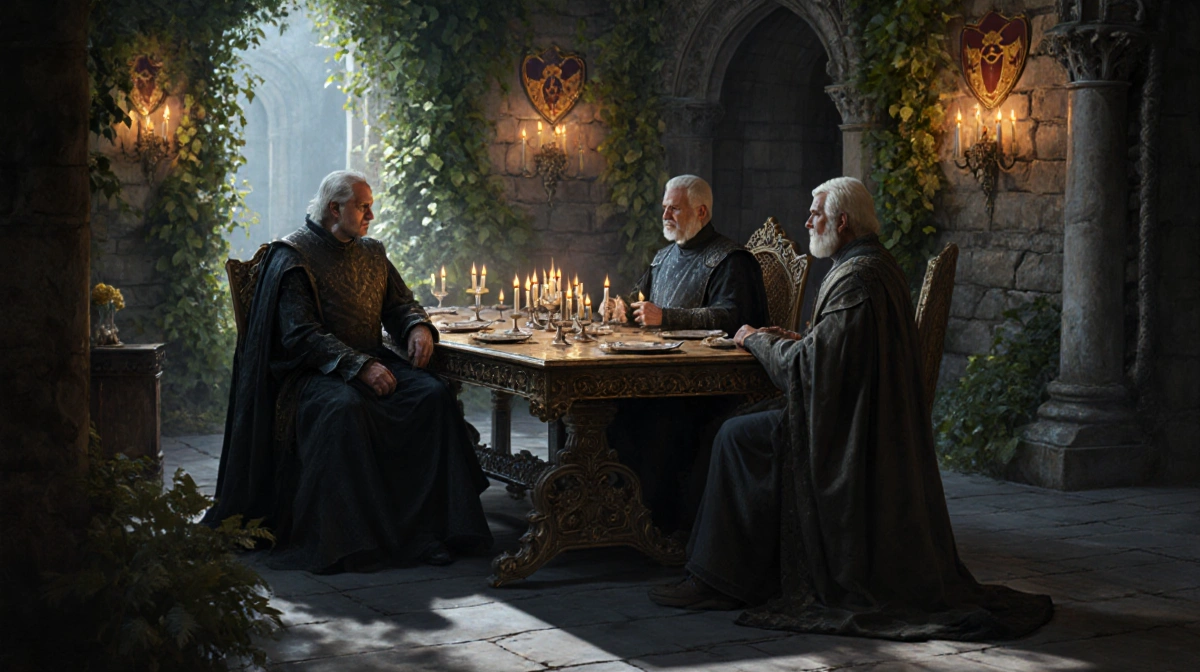
While the Targaryens hold power, the other Great Houses experience relative quiet. The tournament at Ashford Meadow brings together key figures from each house:
- Stark of Winterfell
- Tully of Riverrun
- Greyjoy of Pyke
- Lannister of Casterly Rock
- Martell of Dorne
- Tyrell of Highgarden
- Baratheon of Storm’s End
The tournament also features:
- Princes Aerion, Valarr, Baelor, and Maekar of the Targaryen line.
- Lords Damon Lannister and Leo Tyrell.
- Lyonel Baratheon, son of the Storm Lord, who becomes an ally of Ser Duncan the Tall.
These interactions set the groundwork for future political shifts.
Timeline of Key Events
| Year (AC) | Event |
|---|---|
| 153 AC | Last Targaryen dragon dies |
| 78 years before 209 AC | Dance of the Dragons ends |
| 14 years before 209 AC | First Blackfyre Rebellion |
| 209 AC | A Knight of the Seven Kingdoms set; Great Spring Sickness begins |
| 89 years after 209 AC | Inciting events of Game of Thrones |
Key Takeaways
- A Knight of the Seven Kingdoms explores a rarely seen era in Westeros, balancing peace with impending crisis.
- The series’ timeline explains the scarcity of dragons, the political stability, and the looming threat of disease.
- By showcasing the Great Houses’ interactions at the Ashford Meadow tournament, the show foreshadows the political dynamics that will later erupt in Game of Thrones.
Why This Matters to Fans
The show’s attention to historical detail allows viewers to see how the foundations of Westeros were laid. Understanding the period’s context enriches the experience, making the familiar characters and events feel new and compelling.
Conclusion
By anchoring its narrative in 209 AC, A Knight of the Seven Kingdoms offers a fresh lens on the world that fans love. The series bridges the gap between the Targaryen civil war and the events that lead to the great wars of Game of Thrones, giving viewers a deeper appreciation of Westeros’ complex history.
Further Reading
- The Hedge Knight novella by George R.R. Martin
- History of the Targaryen dynasty
- Overview of the Great Houses of Westeros