At a Glance
- Blood donation shortage has hit a critical level nationwide.
- Supply fell 35% in the last month, leaving many centers with only a day or two of stock.
- Hospitals are forced to triage patients, risking life-saving care.
- Why it matters: Every new donation could prevent a missed treatment and ease the strain on medical staff.
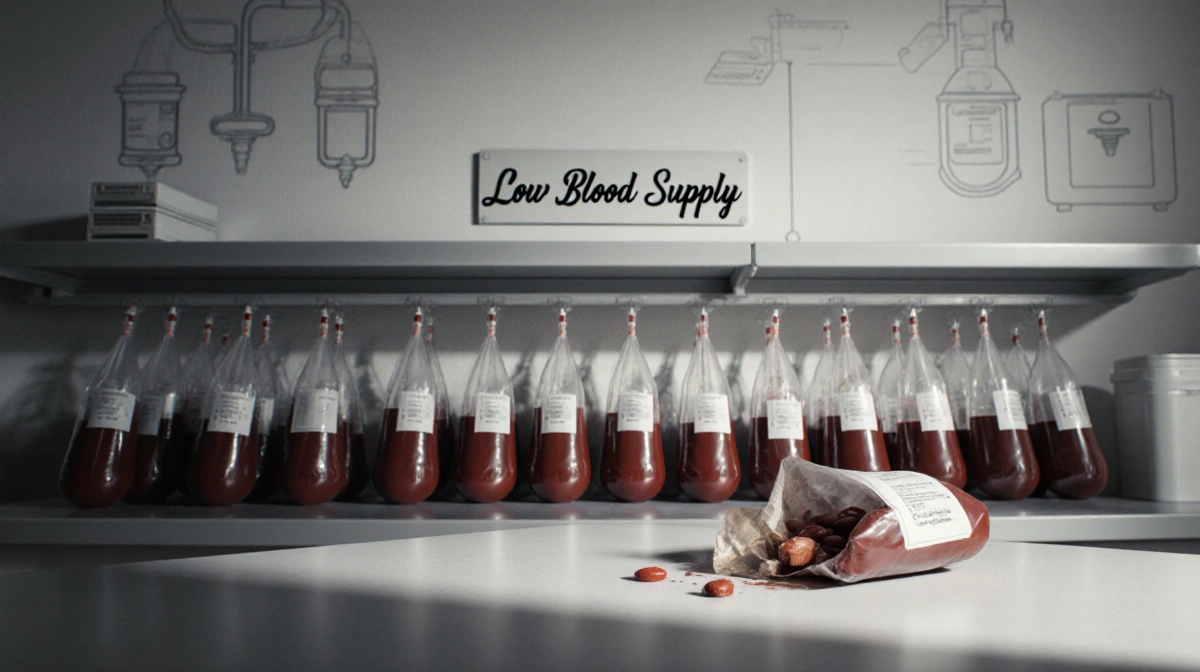
The United States is confronting a severe blood donation crisis. Over the past month, the national blood supply has dropped by 35%, according to the American Red Cross. The winter cold and a record-breaking flu season are the main culprits, and the Red Cross is urging eligible donors to act now.
The Numbers Behind the Crisis
The Red Cross’s data paints a stark picture. Roughly two-thirds of Americans meet donation criteria, yet only about 3 % of those eligible actually donate each year. Because most blood products expire quickly-platelets last just five days-hospitals need a steady flow of fresh donations. The winter season traditionally slows collection, and last December, 400 blood drives were halted by extreme cold, a figure more than three times the number affected the year before.
The shelf life of blood products adds another layer of urgency. Platelets, the most time-sensitive component, are usable for only five days after donation. Red blood cells can be stored for up to 42 days, but many hospitals rely on the freshest supply to treat acute cases. A decline in donations means that older blood may not meet the immediate needs of critical patients.
| Blood Supply Status | % of Centers | Days of Stock |
|---|---|---|
| Zero to one day | 17 % | 0-1 |
| One to two days | 34 % | 1-2 |
| Three days or more | 49 % | 3+ |
The table shows that less than half of community blood centers have a stock of three days or more, the threshold considered sufficient to meet normal demand.
Courtney Lawrence, executive medical director for the Red Cross, explains the urgency: “Every person’s blood donation can help save lives-plus you help ease the tremendous burden on our doctors and nurses, allowing them to focus on caring for patients.” She adds that “This time of year is always challenging for blood collection-but right now, the perfect storm of a long holiday season, record flu activity and winter weather are all impeding donation efforts.”
Why Donors Are Needed Now
Without enough blood, hospitals and doctors are forced to triage limited supplies. This can mean that patients do not receive the optimal care they need, including in life-or-death situations. The Red Cross and the other major blood-center network, America’s Blood Centers, together provide about 40 % and 60 % of the country’s blood products, respectively. The decline in supply threatens both groups, but the Red Cross has been the most vocal about the shortage.
The 17 % of centers with zero to one day of stock and the 34 % with one to two days illustrate how many facilities are operating on the brink. Hospitals with only a single day of supply must prioritize the most critical cases, often delaying or canceling elective procedures.
The organization is offering incentives to encourage donations. In addition to the usual appreciation gifts, donors may win a trip to this year’s Super Bowl. Eligibility can be checked on the Red Cross website or through its mobile app, which also lists nearby centers and upcoming drives.
How to Make a Difference
If you’re eligible, the Red Cross recommends taking action immediately:
- Schedule a donation at your local center or a nearby blood drive.
- Check your eligibility online or via the app before you go.
- Spread the word to friends and family who may also be able to donate.
- Consider a regular donation schedule; even one donation every few months can help keep the supply steady.
- Bring a friend or family member to share the experience and increase the impact.

The Red Cross says that every donation, no matter how small, contributes to a larger pool that hospitals rely on for surgeries, trauma care, and chronic disease treatment. By donating, you not only help save lives but also help alleviate the workload of medical staff who would otherwise have to triage patients due to lack of blood.
What Hospitals Are Facing
Hospitals across the country are already feeling the strain. With supply levels at zero to two days in a significant portion of centers, many facilities are making difficult decisions about which procedures to postpone or cancel. This shortage has forced a shift in priorities, with critical care receiving precedence over elective surgeries. The impact extends beyond the operating room; it also affects patients in intensive care units, oncology wards, and emergency departments.
The Red Cross’s warning comes as a reminder that the national blood supply is fragile. A single month of adverse weather and illness can ripple through the healthcare system, jeopardizing patient outcomes. By donating now, you can help stabilize the supply chain and ensure that hospitals have the blood they need to provide life-saving care.
Key Takeaways
- The national blood supply has dropped 35 % in the last month.
- Only 3 % of eligible Americans donate annually, while most blood products expire in five days.
- Hospitals are forced to triage patients because many centers have only one or two days of stock.
- The Red Cross is offering incentives, including a potential Super Bowl trip, to encourage donations.
- Eligible donors can check their status and locate centers through the Red Cross website or app.
By acting today, you can help keep the blood supply steady and give patients the best chance at recovery.