At a Glance
- The CEOs of five major health insurers will testify before the Energy and Commerce and Ways and Means committees.
- The hearings follow the expiration of enhanced Affordable Care Act subsidies that lifted premiums for millions.
- Republicans argue the ACA itself is a major driver of higher costs.
- Why it matters: The outcome could shape future policy on health insurance premiums and subsidy structures.
The upcoming hearings mark a turning point in the congressional debate over health care affordability. While the focus will be on the insurers’ role, lawmakers are also set to scrutinize the Affordable Care Act’s design and the recent policy shift that ended enhanced subsidies.
Congress Prepares to Question Insurers
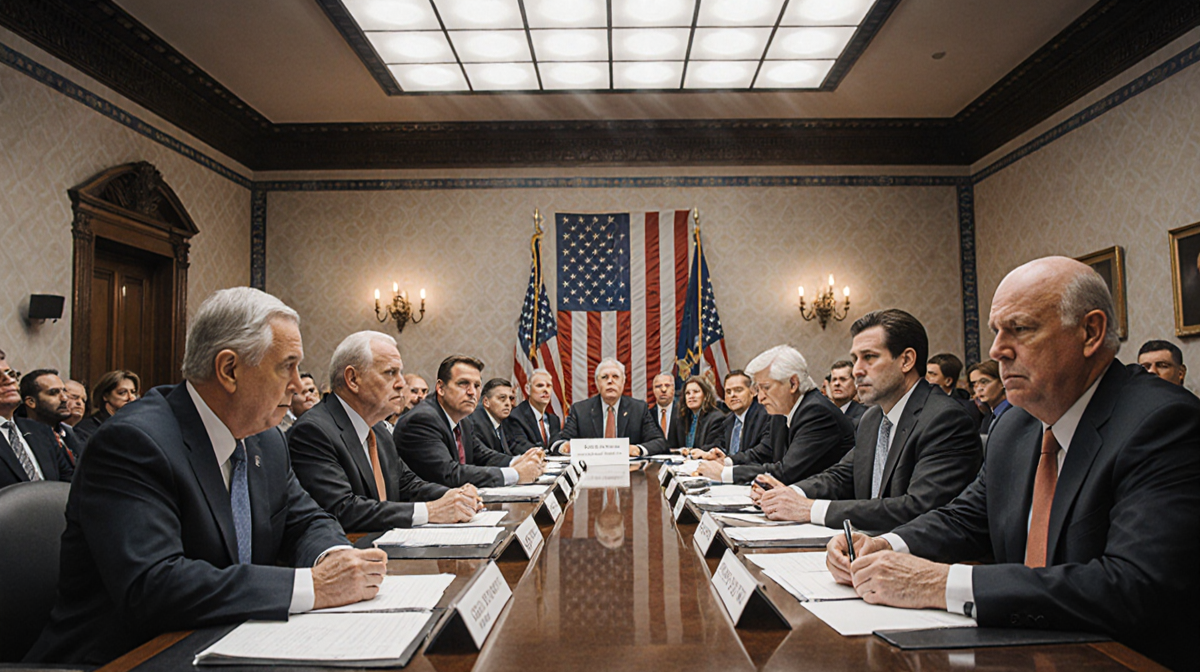
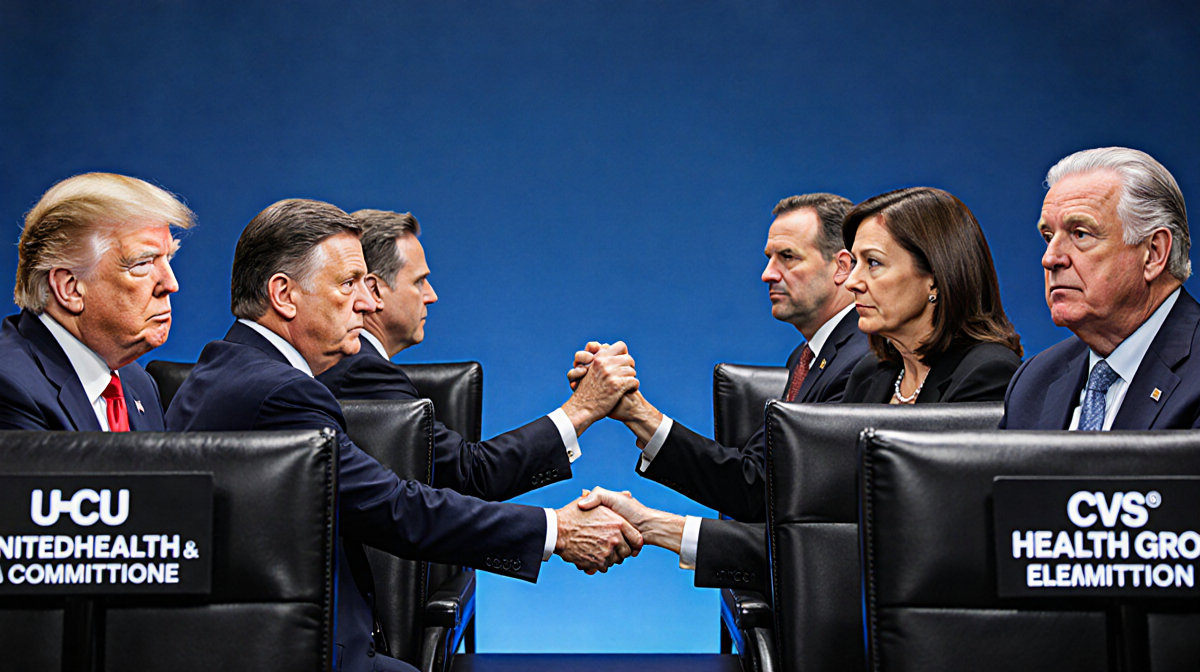
The Energy and Commerce Committee and the Ways and Means Committee will sit back-to-back on Thursday, a schedule that signals the urgency of the issue. The committees have already issued subpoenas to the CEOs of UnitedHealth Group, CVS Health Group, Cigna Health Group, Elevance Health, and Ascendiun.
- UnitedHealth Group – Stephen Hemsley, CEO, will argue that premium hikes reflect broader health-care costs.
- CVS Health Group – David Joyner, CEO, will emphasize the impact of high provider and drug prices.
- Cigna Health Group – CEO’s testimony is expected to focus on market competition.
- Elevance Health – CEO’s remarks will likely address claims-management practices.
- Ascendiun – CEO’s statements will probably touch on health-savings-account proposals.
The hearings are part of a broader strategy by House Republicans to pin responsibility on insurers for the sharp rise in premiums that followed the lapse of enhanced subsidies at the end of last year.
Background: ACA Subsidies and Premium Surge
The Affordable Care Act (ACA) originally offered enhanced subsidies that lowered the tax credits used to purchase insurance. When these enhancements expired, premiums jumped for millions of Americans.
> “Insurance companies are an easy target because they make people miserable through prior authorization review and in many other ways,” said Drew Altman, president and CEO of KFF, a nonpartisan health policy research group.
The lack of immediate congressional action to address the lapse means that the House and Senate have yet to reach a deal to lower skyrocketing health insurance premiums. With the Senate out this week and the House set to go into recess next week, the odds of passing a bill anytime soon are very slim, experts say.
Hearings Focus on Root Causes
Committee chairs Brett Guthrie, R-Ky., and Jason Smith, R-Mo., stated that the hearings will examine the “root causes” driving higher health care prices.
> “The ACA mandated coverage for individuals regardless of underlying health conditions and largely prohibited plans from underwriting plans at the individual level,” a hearing document says, “effectively increasing health care access and affordability for the unhealthiest Americans but also driving up health care costs for healthier Americans.”
Gideon Lukens, a senior fellow and director of research and data analysis at the Center on Budget and Policy Priorities, highlighted the role of the expired enhanced tax credit.
> “The ACA fixed the issues around coverage for people with pre-existing conditions and made the overall insurance market functional and stable,” Lukens said.
> > “A hearing on health care affordability should focus on the affordability crisis that’s unfolding right now because of the choice to allow the enhancements to expire.”
Lukens added that an extension of the enhanced subsidies is needed as soon as possible to prevent further harm.
Insurers’ Defense and Statements
The CEOs are expected to defend their pricing strategies. Stephen Hemsley, CEO of UnitedHealth Group, plans to tell lawmakers that insurers “compete aggressively” to keep premiums affordable, but that the cost is largely determined by the broader health-care system.
> “It is a symptom, not a cause,” Hemsley’s testimony reads. “Premium rates are based on two key factors: how much care is used and how much is charged for that care. When the price of care goes up and care activity increases, the cost of health coverage necessarily follows.”
David Joyner, CEO of CVS Health, emphasized that families are “struggling with an often confusing, disconnected system and the rising cost of health care.”
> “What’s driving these costs is understood: Greater demand for care, growing medical provider costs, and persistently high prices for hospital care and prescription drugs,” he wrote.
Other CEOs are likely to echo similar themes, pointing to rising hospital and drug costs as the main drivers of premium increases.
Political Context and Future Outlook
President Donald Trump and Republicans are facing criticism from voters about the cost of living, including health care. Last week, Trump rolled out a health care plan that proposed redirecting funding used for ACA subsidies into health savings accounts. The plan offered few details and drew criticism for largely restating ideas Trump has previously floated.
The plan is not expected to be the focus of Thursday’s hearings. Instead, the hearings will set the stage for a series of inquiries into the structural factors that have led to higher health care prices.
With the Senate out and the House set to recess, the likelihood of swift policy change is low. The hearings, however, could signal a shift in congressional strategy and potentially influence the next round of legislative proposals.
Key Takeaways
- The five major insurers will testify before two key House committees.
- The hearings will examine the ACA’s role in driving up costs.
- Insurers argue that rising hospital and drug prices are the main cause of premium increases.
- The expiration of enhanced subsidies remains a central point of contention.
- Legislative action is unlikely in the near term due to congressional scheduling and lack of consensus.
The outcome of the hearings will likely shape the national conversation on health care affordability and could influence the next wave of policy proposals aimed at curbing premium growth.