At a Glance
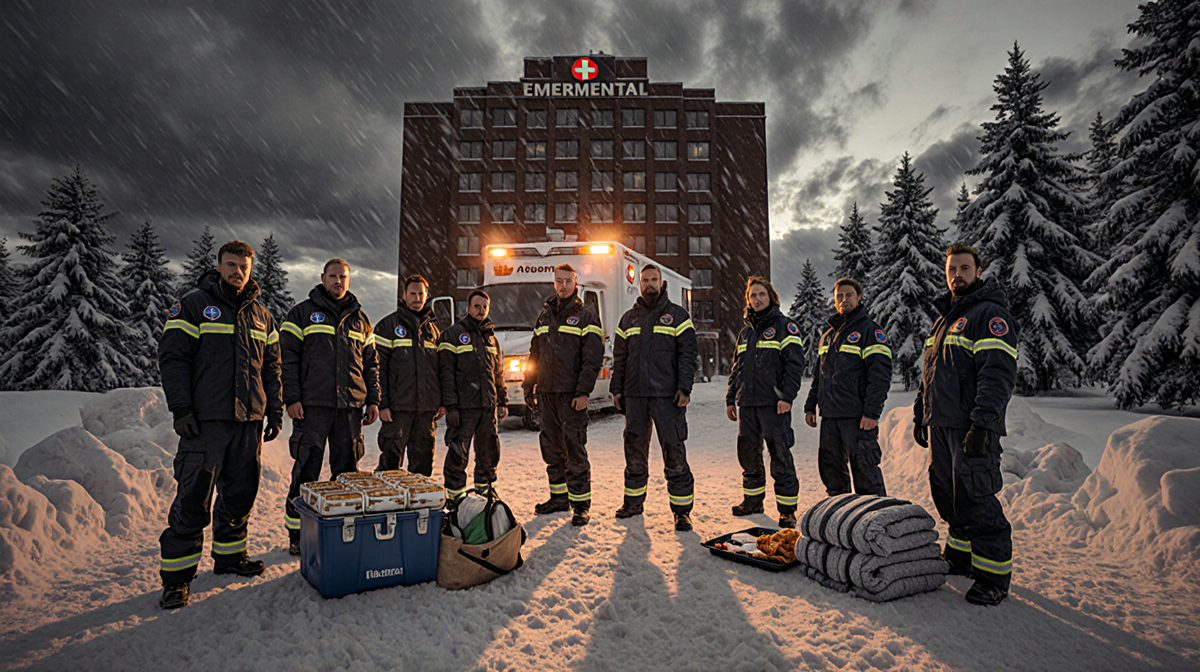
- Medical City McKinney activated its inclement weather plan to keep doors open during winter storms.
- The Level II Trauma Center added 65 cots and extra shifts for staff.
- Meals and safety protocols were intensified to protect patients and staff.
- Why it matters: The plan demonstrates how hospitals prepare for increased injuries and power outages during severe weather.
Medical City McKinney has put its winter-storm readiness into action, ensuring that its doors stay open and its services run smoothly even as snow and ice threaten to disrupt daily life. The hospital’s inclement weather plan was activated as forecasts called for heavier snowfall and colder temperatures, prompting a surge in weather-related emergencies.
Inclement Weather Plan in Action
The hospital’s chief operating officer, Sam Johnsen, emphasized the importance of being present for patients and staff, “No matter rain or shine or snow, we want to make sure that we show up for our patients and our staff, regardless of what’s going on outside.”
Johnsen described the behind-the-scenes work:
- Facility management teams salt the grounds.
- They ensure all infrastructure, including heating and ventilation, is functioning.
- Diesel fuel supplies are monitored and replenished as needed.
This coordinated effort keeps the hospital’s core functions-safety, cleanliness, and power-operational during severe weather.
Staffing and Safety Measures
Hospital leaders have built a safety framework to keep the Level II Trauma Center accessible over the weekend. Emergency Room physician Dr. Austin Vaughn predicts a rise in falls and injuries:
> “In this weather, big things we’ll see is slip and falls,” said Vaughn. “Elderly patients, a lot of this will be hip fractures that we’ll see, commonly in head injuries, especially with ice and snow on the ground. The other big thing we’ll see is cold exposure, especially with those who are homeless or on domiciled.”
Vaughn also noted that power outages increase exposure injuries, especially among the elderly. To address this, the hospital:
- Added 65 cots for overnight stays.
- Scheduled extra shifts for staff to cover extended hours.
- Implemented backup power plans to maintain critical systems.
Key Actions
- Extra Shifts: Staff schedule adjustments to cover increased patient volume.
- Cots: 65 additional beds set up for overnight patients.
- Backup Power: Generators and fuel reserves to keep essential equipment running.
Coping with Power Outages and Patient Care
Power outages during winter storms can compromise patient safety. Dr. Vaughn highlighted the risk:
> “Power outages also cause an increase in exposure injuries, especially among elderly people.”
The hospital’s plan includes:
- Continuous monitoring of power status.
- Rapid response teams to address any equipment failures.
- Patient education on staying warm and avoiding slips.
Hospital Meals and Staff Support
Recognizing the toll of long shifts, the hospital’s executive chef, Ryan Schumann, and his team volunteer to prepare meals for staff. Schumann said:
> “It’s always about hospitality.”
On Thursday, the kitchen team made sandwiches for lunch and is preparing breakfast sandwiches and homemade lasagna dinners for the weekend.
> “It’s a good feeling to be able to take care of the people who are taking care of people while we’re also taking care of people,” said Schumann. “For the patients, we’re very methodical because of special diets and all such. This is just comfort food for our staff, something that’s going to make them feel like they’re going to enjoy it.”
Meal Highlights
- Sandwiches for quick lunch.
- Breakfast sandwiches for early shifts.
- Homemade lasagna dinners for later nights.
Community Guidance and Public Safety
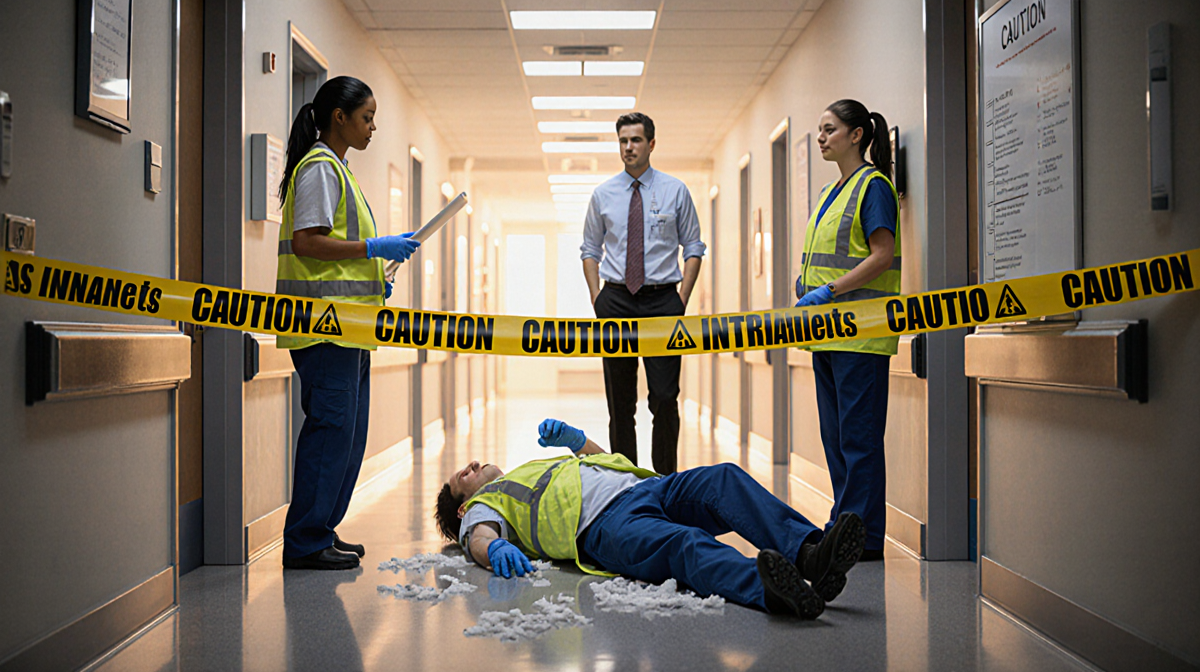
Doctors are urging the public to heed warnings and stay safe, even at home. Dr. Vaughn advises avoiding unnecessary trips:
> “Avoid unnecessary trips, even to the mailbox, where falls can easily happen.”
He also cautions people with underlying health conditions:
> “It is also important for people with underlying health conditions to seek medical help when needed instead of ‘riding out the storm’ because it could worsen their situation.”
By providing clear guidance, the hospital helps reduce the number of preventable injuries during the storm.
Key Takeaways
- Medical City McKinney’s inclement weather plan keeps the Level II Trauma Center operational.
- Extra shifts, cots, and backup power ensure patient and staff safety.
- Meals and support services maintain staff morale.
- Public advisories help reduce winter-storm injuries.
The hospital’s comprehensive approach showcases how medical facilities can adapt to severe weather, protecting both patients and the community.