
At a Glance
- The new Koko’s Bavarian Beer Hall opens on South Lamar, bringing a massive sports-centered food experience.
- The venue features a 23-foot screen, over 90 TVs, a 2,000-square-foot patio, and a menu built for sharing.
- The original East Fifth location closed in 2023 after two years of operation.
- Why it matters: Austin’s food scene gets a high-energy, beer-centric destination that blends Bavarian tradition with modern sports culture.
The new Koko’s Bavarian Beer Hall has opened on South Lamar, taking the spirit of the original East Fifth spot and scaling it into a large-scale sports-food destination. The venue offers a massive screen, a robust cocktail program, and a menu that emphasizes sharing, all while preserving the Bavarian roots that made the brand popular.
The Space: From Cozy to Blockbuster
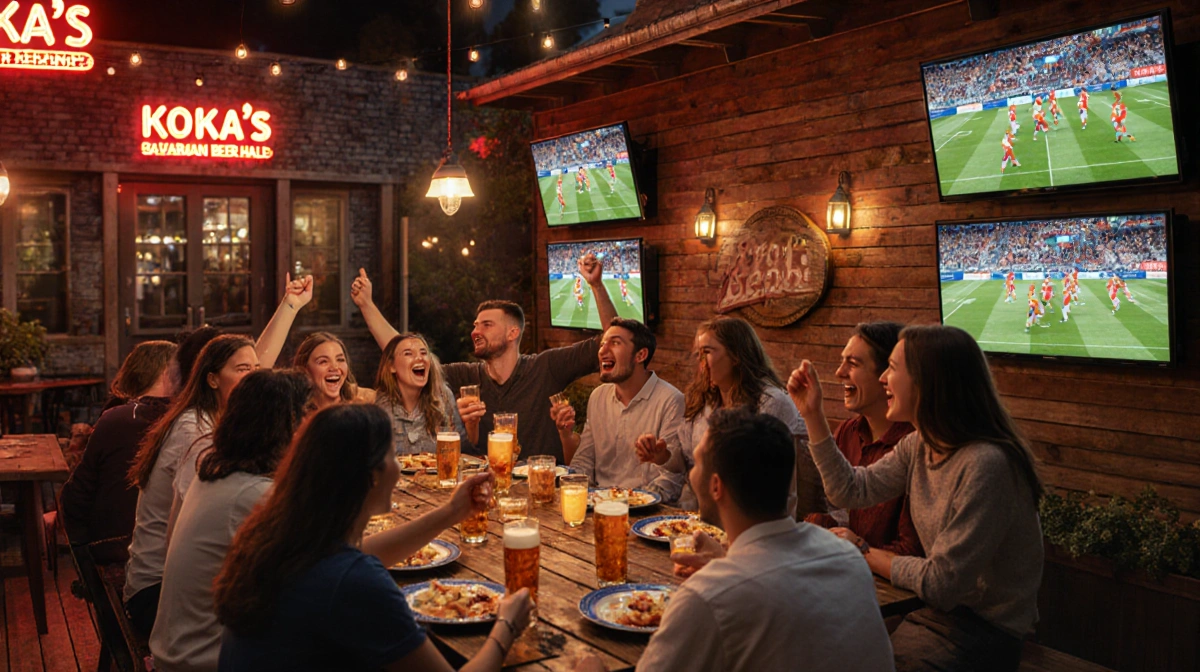
Opened in October, the new hall trades brewing tanks for a sprawling layout that accommodates fans and families alike. More than 90 TVs line the walls, anchored by a massive 23-foot screen that ranks among the largest in Austin. Live scores scroll, Vegas odds flash, and when the NFL isn’t airing, TGL golf takes over the space.
Inside, couches, benches, barstools, and communal tables create a seamless flow that avoids bottlenecks. A side lounge near the bar offers leather sofas and additional TVs, perfect for groups that want to stay glued to the action. Outside, a 2,000-square-foot patio under live oaks comes equipped with fans, heaters, picnic tables, and red Adirondack chairs in a designated smoker area. Dog water bowls dot the space, signaling that guests are expected to linger and bring their entire pack. Plenty of parking keeps the experience hassle-free.
Bavarian Roots That Still Shine
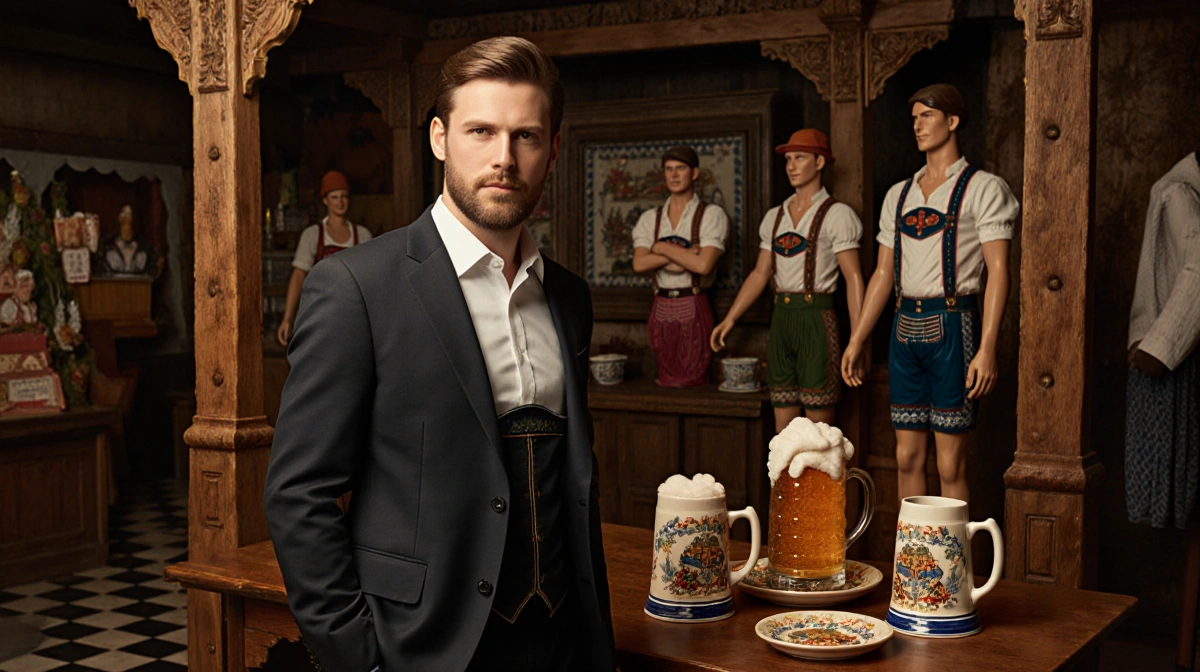
Koko’s was co-founded by Konstantin Prinz von Bayern, an actual Bavarian prince whose lineage traces back to the origins of Oktoberfest in Munich. He helped shape the original concept and remains involved as the brand grows. That heritage is evident throughout the space and, more importantly, on the plate.
Pretzels, a staple at Live Nation venues and festivals worldwide, are made in-house at the South Lamar location and are a must-order. The warm, buttery pretzel arrives with a lightly crisp exterior and a pillowy center, topped with spicy mustard and optional queso for those who want a Texan twist. It feels more like a Bavarian tradition than a concession-stand snack.
House-made sausages still anchor the menu. Alongside bratwurst and Chicago dogs, Koko’s serves currywurst, a Berlin street-food staple that’s relatively rare in Austin. The Belgian fries arrive hot, crisp, and properly seasoned, with fluffy interiors that hold up to condiments. The classic sauce andalouse-mayo, tomato paste, and peppers-hits the right balance of creamy and tangy. Salads have been added to the menu to offset the beer calories.
Signature Dishes and New Additions
The chicken schnitzel is a standout. Available as a plate or a gargantuan po’boy, the breading on both versions is shatteringly crunchy without drying out the bird. Lingonberry jam cuts through the richness, but the menu doesn’t explicitly state that the plate comes with fries. Adding a side of potato salad was a rookie mistake.
The new griddled Reuben is another highlight. Thick-sliced pastrami replaces the usual shaved approach, giving the sandwich a smoky, barky depth. The house-made pickle is a quiet hero, light and vinegary.
Not every dish hits the mark. The steak and fries, priced at $34 daily or $35 with a pint of Guinness for a Tuesday special, feel like the weakest link. The beef arrives pre-sliced into small strips, smothered in onion gravy, and topped with fried onions. A frisée salad adds brightness, but the dish never quite clicks.
Wings are a new addition and worth ordering. The dry-rubbed lemon-spice version delivers zesty, crispy skin with juicy meat, but fingers will not escape unscathed. Buffalo and Szechuan pepper versions also come with a ranch side. The lack of wet wipes feels like an oversight for a place that prides itself on finger foods.
Service and Atmosphere
Service overall feels friendly and well-intentioned, though the venue is still settling in. Small issues-missing side plates for shared dishes, unclear menu omissions, random appearances of bacon-don’t derail the experience but tightening these details would elevate it quickly.
The bar, curated by Travis Tober (of Nickel City and Murray’s Tavern fame), offers a cocktail program that complements the beer-hall energy. Frozen drinks are a major draw, served in festive color-changing cups. Draft beer pours range from 16 to 32 ounces, with an emphasis on local brews and lighter German styles like helles, kölsch, hefeweizen, and dunkel.
Dessert rounds out the meal. The German chocolate brownie is rich and gooey, topped with a crackly coconut layer. Dark cherry ice cream cuts through the sweetness with just enough tartness.
A Commitment to the Beer-Hall Experience
The new Koko’s fully commits to the beer-hall experience: big screens, cold beer, food built for sharing, a shaded patio that encourages lingering. It’s louder and more maximalist than the Eastside original, but it still remembers its fundamentals. Fries matter. Pretzels matter. And spending time with your chosen community-whether fellow sports fans or friends-will always matter.
This article appears in January 23 • 2026. A note to readers: Bold and uncensored, News Of Austin has been Austin’s independent news source for over 40 years, expressing the community’s political and environmental concerns and supporting its active cultural scene. Now more than ever, we need your support to continue supplying Austin with independent, free press. If real news is important to you, please consider making a donation of $5, $10 or whatever you can afford, to help keep our journalism on stands.