Introduction
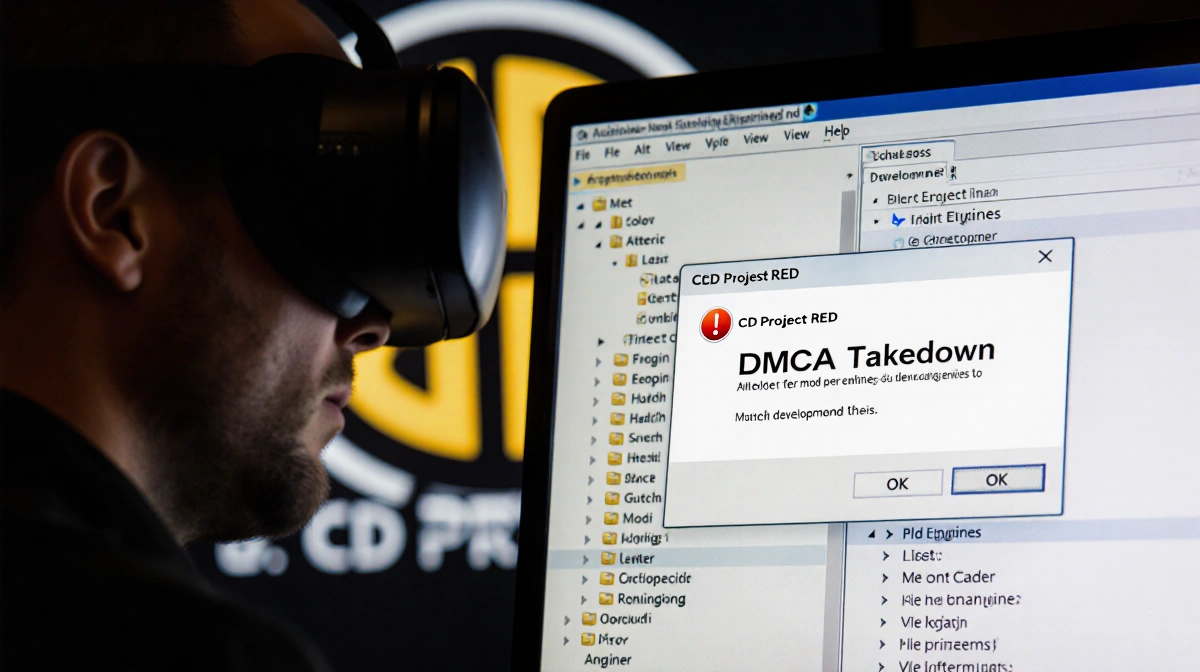
The gaming world was shaken when a popular VR port developer received a DMCA takedown after reaching out to CD Projekt Red. The move highlights the fragile balance between fan creativity and corporate IP protection.
At a Glance
- Luke Ross faced a DMCA takedown after offering his Cyberpunk 2077 VR port to CD Projekt Red.
- The port supports 40+ games across multiple engines, yet is still classified as fan content.
- The incident underscores the strict enforcement of publisher terms on monetized mods.
The Mod Monetization Landscape
Modders traditionally share their work freely, but some now monetize through Patreon or similar platforms. Instead of charging directly for a mod, developers create subscription tiers that grant access to download links. This model has become popular for VR ports, where the extra effort of adapting a game to virtual reality can justify a fee.
Luke Ross and the Cyberpunk 2077 VR Port
Luke Ross-a pseudonym for a developer who writes VR ports-had a software package that could run Cyberpunk 2077 in VR. Ross reached out to CD Projekt Red to license the port, hoping for a formal agreement. The company’s response was a DMCA takedown notice, effectively removing the mod from distribution platforms.
CD Projekt Red’s Terms and the DMCA Takedown
CD Projekt Red’s Terms of Service contain a section called “Fan Content.” The first paragraph, titled “The Golden Rule,” states:
> “you cannot do anything with our games for any commercial purpose.”
It further clarifies that while reasonable donations are allowed, paywalls or subscription-based access are prohibited. Ross’s software, though generic in name, requires specific engine-level code for each title, which places it squarely within the fan content definition.
Legal Arguments and Comparisons
Ross argued that his software is a general VR application, containing no code or assets from CD Projekt Red’s IP. He compared it to RivaTuner, a free overlay that captures screen data without using game assets. However, RivaTuner’s function is vastly different from a full VR experience.
| Tool | Purpose | Requires Game-Specific Code |
|---|---|---|
| RivaTuner | FPS counter overlay | No |
| ENB Series | Post-processing plugin | Yes, per-game tuning |
| Ross’s VR Port | Full VR adaptation | Yes |
The comparison shows that while some fan tools are truly generic, Ross’s port is not. The fact that users pay for the Cyberpunk 2077 version further indicates a commercial angle that CD Projekt Red’s terms forbid.
Fallout and Community Response
After the takedown, the mod was removed from Patreon. VR enthusiasts began sharing the port for free, effectively circumventing the paywall. In an interview with IGN, Ross remarked:
> “In a sense, CDPR already got what they wanted.”
The incident raises broader questions about whether modders should be able to profit from their work and whether publisher agreements are overly restrictive. While the legal basis for the takedown is clear, the situation illustrates the tension between creative expression and corporate control.
Key Takeaways
- Monetizing mods through subscription tiers is common, but publishers enforce strict IP rules.
- Even generic-sounding tools can be deemed fan content if they require game-specific code.
- DMCA takedowns are a powerful tool for publishers to protect their IP.
- Community responses can quickly undermine corporate enforcement by sharing content for free.
Final Thoughts
The clash between a modder’s ambition and a publisher’s IP protection reflects a larger industry debate. As the line between fan art and commercial product blurs, both sides must navigate evolving legal frameworks and community expectations.