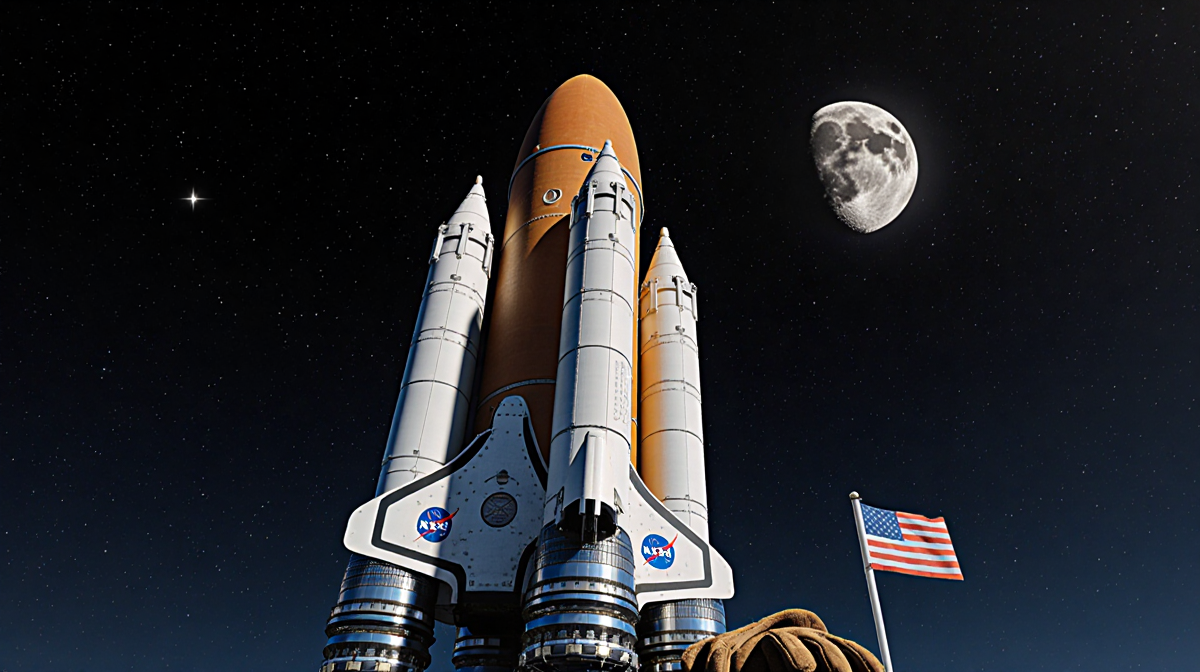
NASA is preparing to launch the massive, fully expendable Space Launch System (SLS) for its first crewed flight to the Moon since the Apollo era.
At a Glance
- NASA will launch Artemis 2 with three RS-25 engines that previously powered the Space Shuttle.
- The 5.75-million-pound SLS carries four RS-25 engines, one of which makes its launch debut.
- The engines will descend into the Atlantic Ocean roughly 10 minutes after liftoff.
- Why it matters: The reuse of legacy engines marks a new chapter in U.S. human spaceflight and demonstrates the longevity of Shuttle-era technology.
The launch pad at Kennedy Space Center received the fully stacked SLS on January 17. The agency plans to lift the rocket as early as February 6, sending a crew of astronauts back to lunar space for the first time in over half a century.
The Core of the Rocket
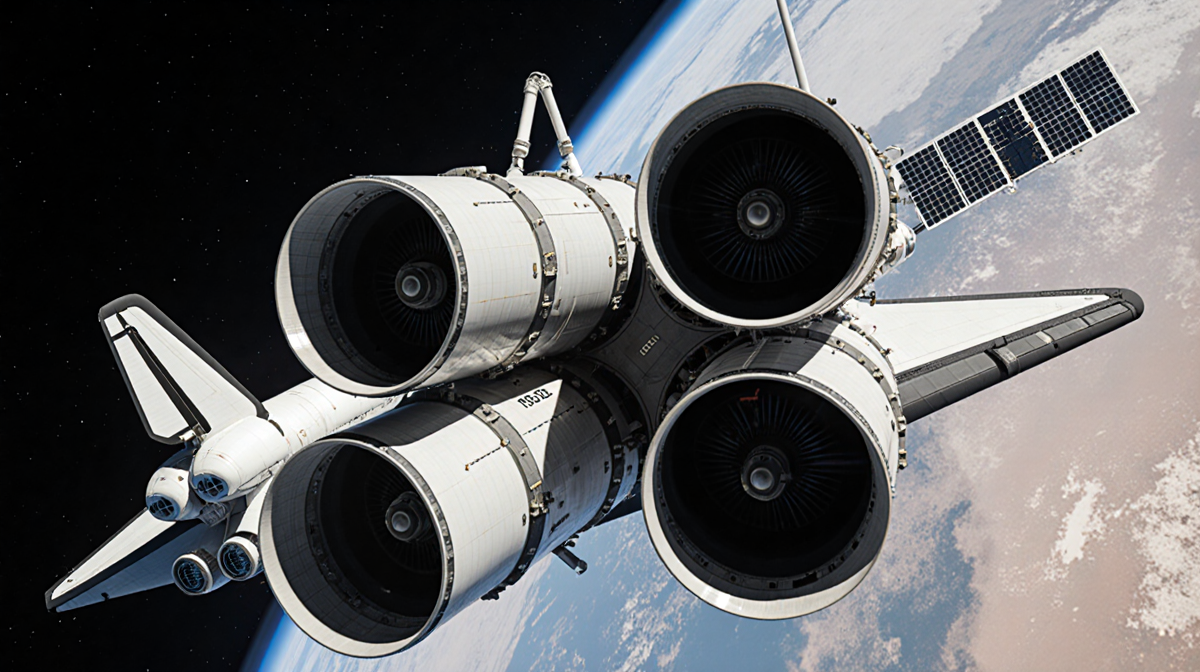
The SLS core stage is powered by four RS-25 engines. Three of those engines are upgraded versions of the Space Shuttle Main Engines (SSMEs) that flew on missions from 1981 to 2011. The fourth engine is new to the SLS.
Engine Lineage
All four RS-25 engines that will launch SLS for Artemis 2 contain at least one component that flew aboard the first Space Shuttle mission in 1981. STS-1, the maiden voyage of Columbia, tested all shuttle systems and lasted two days.
| Engine | First Shuttle Mission | Notable Shuttle Flights | Current Role |
|---|---|---|---|
| E2047 | STS-1 (1981) | Final shuttle mission, July 2011 | Installed in SLS core stage for Artemis 2 |
| E2059 | STS-1 (1981) | Atlantis missions in 2007, 2008, 2009 | Powered SLS core stage |
| E2061 | STS-1 (1981) | Endeavour missions in 2010, 2011 | Powered SLS core stage |
Taken together, the three previously flown RS-25 engines have flown on 22 missions before joining Artemis 2.
Artemis 2 Mission Profile
SLS Block 1 launched the Artemis 1 mission in November 2022 and is poised to launch Artemis 2 and 3. It is powered by four RS-25 engines in its core stage, along with two solid rocket boosters.
NASA has four contracts with Aerojet Rocketdyne for the reused RS-25 engines before switching to upgraded and newly manufactured engines. The SLS is fully expendable, meaning the engines will end up at the bottom of the Atlantic Ocean roughly 10 minutes after launch, never to be used again.
Technical Highlights
- Weight: The 5.75-million-pound SLS is the heaviest rocket NASA has launched.
- Engines: Four RS-25 engines provide the main thrust.
- Reuse: Three engines have flown on shuttle missions, extending their service life.
- Expendability: The entire rocket, including engines, is designed for a single use.
Legacy and Future
The reuse of RS-25 engines demonstrates how legacy technology can be adapted for new missions. While the engines will not return to Earth, their proven reliability provides confidence for Artemis 2’s launch.
The SLS will continue to serve as the backbone for NASA’s Artemis program, enabling crews to reach the Moon and beyond.
Key Takeaways
- NASA is launching Artemis 2 with a mix of reused and new RS-25 engines.
- The 5.75-million-pound SLS will launch on January 17 and aim for February 6.
- Three engines have flown on 22 previous missions; the fourth is new.
- The rocket is fully expendable, with engines landing in the Atlantic 10 minutes post-launch.
These facts highlight the continuity between past and future U.S. human spaceflight efforts and underscore the enduring value of Shuttle-era technology.