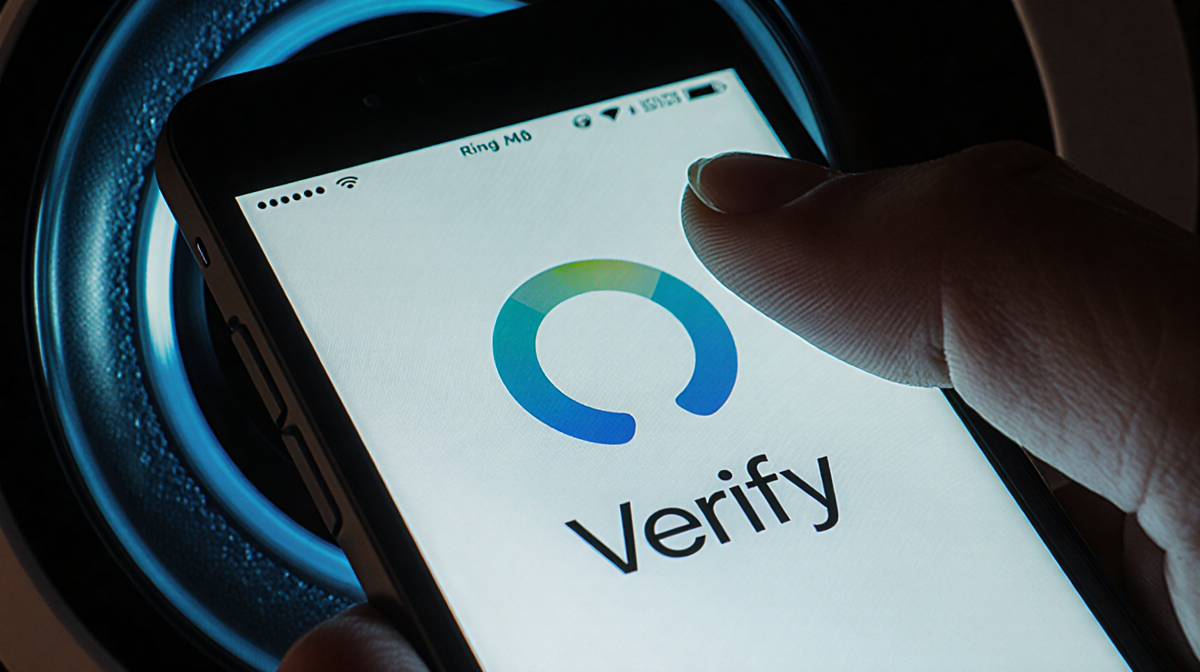
At a Glance
- Ring Verify automatically tags all videos downloaded from December 2025 onward.
- It uses a C2PA metadata signature to prove footage came from a Ring device.
- The tool flags any edit, including cropping or length changes.
Ring’s new Verify tool lets users check if security footage has been tampered with. The service automatically tags all videos downloaded from December 2025 onward with a C2PA signature. Users can upload any Ring video to a landing page and receive a quick authenticity check.
What Ring Verify Is
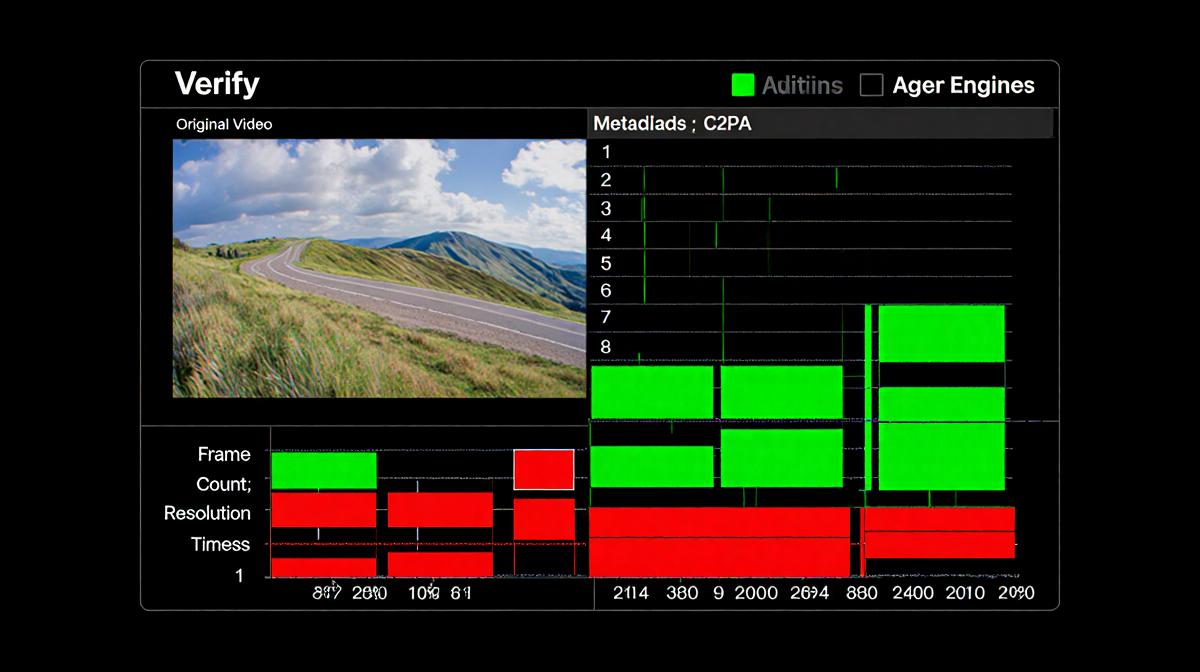
The Verify portal accepts a single upload and displays a status indicator. The report shows whether the video is authentic and, if not, what type of alteration was detected. Users can review the result to assess the video’s integrity.
How It Works
When a user uploads a video, the Verify engine reads the C2PA metadata and compares it to the expected Ring source. The comparison checks for any changes in frame count, resolution, or timestamps that would indicate cropping or trimming. A simple visual indicator-green for authentic, red for altered-appears in the results panel.
Built on C2PA
A spokesperson for Ring told News Of Austin that the feature, “was built using C2PA (Coalition for Content Provenance and Authenticity) protocol, which aims to prove the content authentically came from a given source (Ring), and does operate using a metadata signature.” The spokesperson added that the signature only confirms authenticity, not whether the video is fake. Users still need to interpret the results in context.
Automatic Inclusion
Ring said the Verify feature is automatically included with every video downloaded from December 2025 onward. There is no separate setup or activation required. The service is available to anyone who owns a Ring device and has accessed the video through the official app.
Limitations
The tool only works on videos that were originally captured by a Ring camera. It cannot verify footage that has already been edited on another platform before being uploaded. If a video is altered after the initial capture, the Verify signature will flag it, but the tool does not identify the source of the edit.
Comparison to Other Tools
Verge noted that Verify does not help users determine if a clip seen on TikTok or Instagram is real, because those videos are often altered in length or aspect ratio before upload. Google’s SynthID watermark program, now available on Gemini, can detect images created by Google’s AI generators, but it similarly cannot prove authenticity if the watermark is missing. Both tools illustrate the growing need for metadata-based verification in the AI age.
Practical Use Cases
The tool can help confirm that footage used in insurance claims has not been tampered with. It also allows homeowners receiving neighbor videos to quickly check authenticity before sharing. Security professionals can use Verify to confirm that footage used in legal proceedings remains unaltered.
User Experience
The Verify portal accepts a single upload and displays a status indicator. The report shows whether the video is authentic and, if not, what type of alteration was detected. Users can review the result to assess the video’s integrity.
Industry Reactions
Ring’s spokesperson emphasized that the tool is part of a broader effort to build trust in digital evidence. Verge’s commentary suggests the tool is a step forward, though it falls short of solving the problem of third-party uploads. The service is limited to original Ring footage and cannot verify third-party uploads.
Future Outlook
The Verify tool currently covers only Ring devices. The underlying C2PA framework can be adopted by other manufacturers. The company has not announced plans beyond the current rollout.
Key Takeaways
Ring Verify automatically tags all new videos with a C2PA signature, making it easy to spot edits. The service is limited to original Ring footage and cannot verify third-party uploads. The technology showcases how metadata signatures can help verify authenticity.
Potential Impact
The tool can help confirm that footage used in insurance claims has not been tampered with. It also allows homeowners receiving neighbor videos to quickly check authenticity before sharing. Security professionals can use Verify to confirm that footage used in legal proceedings remains unaltered.
Call to Action
Users with Ring cameras can visit the Verify landing page and test their footage. The Verify portal is available to anyone who owns a Ring device and has accessed the video through the official app. Ring announced the feature in a blog post.
Conclusion
Ring’s initiative demonstrates that hardware makers can play a role in combating misinformation. While the tool has clear limitations, it represents a meaningful first step toward reliable video verification. The technology showcases how metadata signatures can help verify authenticity.
Additional Resources
Ring’s blog provides updates on Verify’s rollout and future enhancements. The Verify portal is available to anyone who owns a Ring device and has accessed the video through the official app. The tool automatically tags all videos downloaded from December 2025 onward with a C2PA signature.