At a Glance
- The White House edited a photo of civil-rights activist Nekima Levy Armstrong to make her appear crying.
- The image was originally posted by Homeland Security Secretary Kristi Noem and shows Armstrong calmly looking ahead as she was taken into custody.
- The edited picture was labeled a “meme” by White House staff and posted by deputy communications director Kaelan Dorr.
- Why it matters: The incident raises questions about the administration’s use of social-media imagery to influence public perception of protestors.
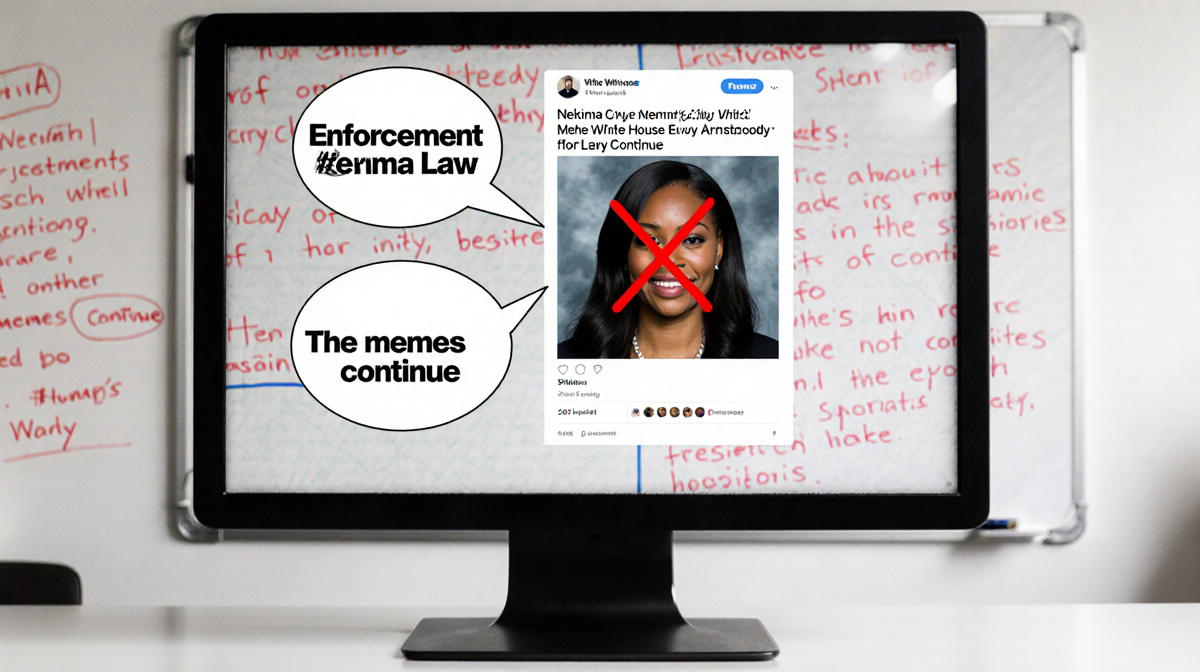
White House officials confirmed that an image of a Minnesota protester was altered to show her crying, a senior White House official told NBC News. The photo, originally shared by Homeland Security Secretary Kristi Noem on X, showed civil-rights activist Nekima Levy Armstrong looking calmly ahead as she was taken into custody on Thursday.
The Alteration and the “Meme” Narrative
The senior White House official described the edited photo as a “meme” and pointed NBC News to a post from White House deputy communications director Kaelan Dorr, who said on X: “Enforcement of the law will continue. The memes will continue.” The official confirmed that the White House had modified the image to make Armstrong appear to be crying.
The practice of posting memes and AI-generated images is not new to the administration. Throughout President Donald Trump’s second term, officials posted such content across government social-media accounts to spread particular messages. The recent alteration of Armstrong’s photo is the latest example of this strategy.
Who Was Arrested and Why
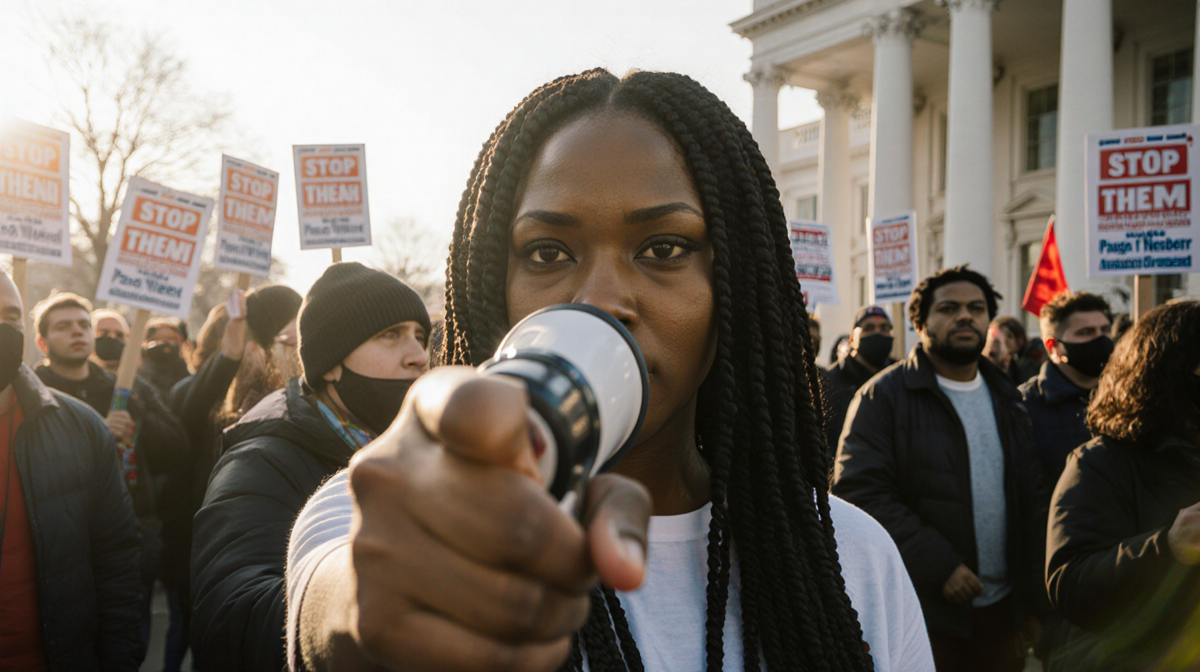
Armstrong was arrested along with Chauntyll Louisa Allen and William Kelly during a demonstration that interrupted a service at a St. Paul, Minnesota, church on Sunday. Organizers said the protest was aimed at the pastor, David Easterwood, who works for Immigration and Customs Enforcement (ICE). The three protestors were cited for violating a federal law that bars physical obstruction of houses of worship.
FBI Director Kash Patel announced on X that Armstrong would be charged under that federal law. Armstrong’s attorney, Jordan Kushner, told NBC News on Thursday afternoon that his client was “arrested for doing a peaceful nonviolent protest in a church” and that the demonstrators were “engaged in an exercise of free speech.”
Context: Rising Protests in Minnesota
The protests in Minnesota have escalated in recent weeks following the fatal shooting of Renee Nicole Good by an ICE officer. The Trump administration has increased federal personnel in the state since the end of last year amid allegations of fraud at Somali-run daycares, amplified by right-wing influencers. Trump has floated invoking the Insurrection Act-potentially allowing him to deploy troops to the region-in response to the protests.
During a visit to Minneapolis, Vice President JD Vance addressed the protests, saying: “If you go and storm a church, if you go and assault a former law enforcement officer, we’re going to try very hard, we’re going to use every resource of the federal government to put you in prison.”
Timeline of Events
| Date | Event |
|---|---|
| Sunday | Protest interrupts church service in St. Paul; Armstrong, Allen, and Kelly are arrested |
| Thursday | White House posts altered photo of Armstrong; official confirms meme strategy |
| Thursday | FBI Director announces charges under federal law; Vance comments on federal response |
Key Takeaways
- The White House has edited a protestor’s photo to create a meme, a tactic used repeatedly during Trump’s presidency.
- Armstrong, Allen, and Kelly were arrested during a protest aimed at a pastor linked to ICE.
- The federal government is preparing to enforce laws against obstruction of worship services, while also signaling potential military involvement in the region.
- The incident highlights ongoing tensions between protest movements and federal authorities in Minnesota.
Implications for Public Discourse
The alteration of a protestor’s image raises concerns about the manipulation of social-media content by government officials. While the administration claims the meme is a form of “enforcement of the law,” critics argue it may distort public perception and undermine the credibility of protest movements. The federal charges against the protestors and the Vice President’s remarks further illustrate the administration’s hard-line stance on civil-rights demonstrations.
The broader debate centers on how governments use digital tools to shape narratives during periods of civil unrest. The White House’s recent actions demonstrate the power and risks of social-media manipulation in the modern political landscape.
Conclusion
The White House’s decision to alter a protestor’s photo and present it as a meme underscores the administration’s willingness to use digital imagery to influence public opinion. As protests continue to flare in Minnesota, the intersection of social-media tactics, federal law enforcement, and civil-rights activism will remain a focal point for observers and policymakers alike.