At a Glance
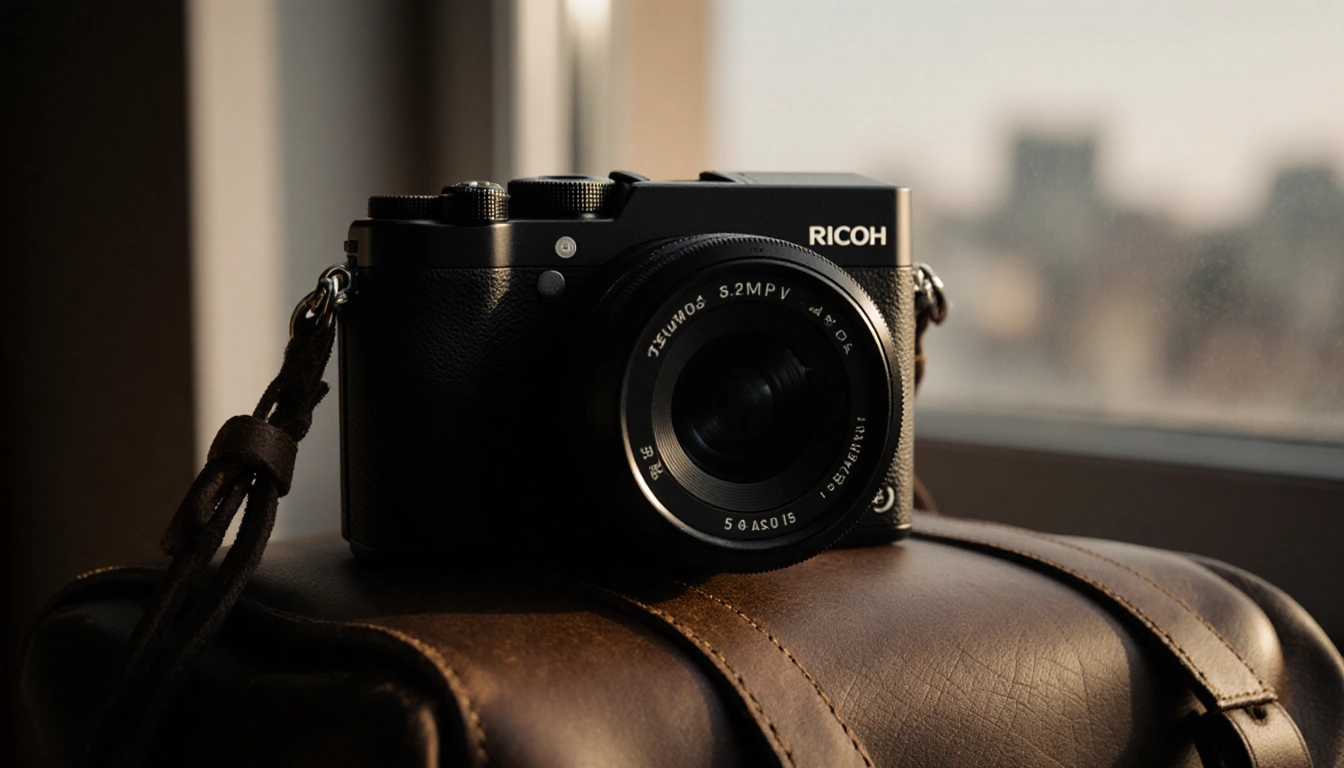
- Ricoh’s GR IV is the most anticipated pocket camera release of the year.
- It adds a 25.7-MP APS-C sensor, faster autofocus, and a 5-axis IBIS giving up to 6 stops of stabilization.
- The camera retains the classic pocket-size form and sells for $1,497, up from $999 for the GR III.
- Why it matters: For street and travel photographers who need a compact body with sharp images and quick focus, the GR IV offers a clear upgrade.
The camera world saw a flurry of new releases last year, from Nikon’s Z5 to Sony’s A7 and Leica’s first EVF model. Yet the most talked-about launch was Ricoh’s GR IV, a pocket-sized camera that promises sharper images and faster focus. Isaac Y. Thornwell notes that the GR IV builds on the beloved GR III while adding key upgrades.
Design and Controls
The GR IV keeps the same compact footprint as its predecessor, just a few millimeters narrower and a few grams heavier, but it still slides straight into a pocket. The control layout sees a small tweak: two unlabeled wheels-front for aperture and rear for shutter speed-allow one-handed manual shooting. The D-pad remains, but the side-to-side rocker has been replaced with a proper wheel for easier adjustments.
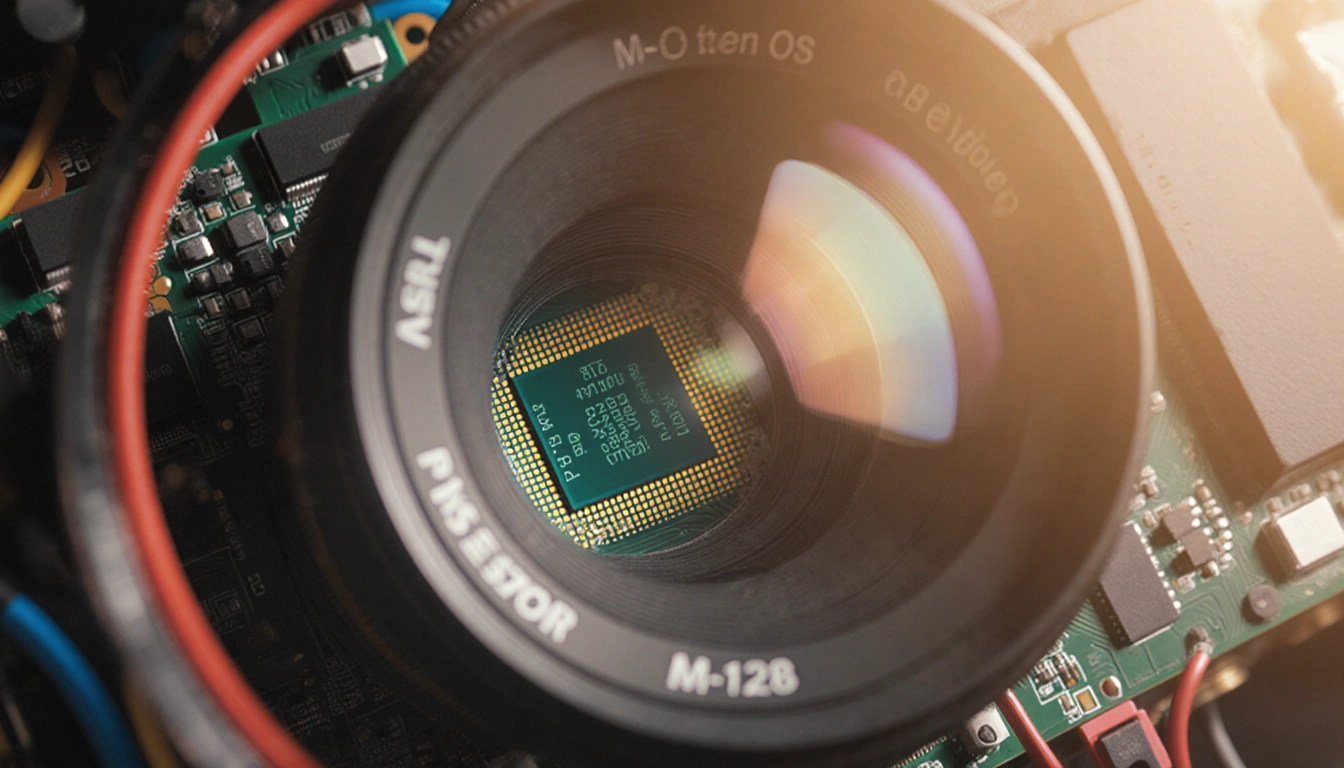
Image Quality and Sensor
Inside the body, Ricoh upgraded the sensor to a 25.7-MP APS-C CMOS from the 24.2-MP unit in the GR III. The new 18.3-mm f/2.8 lens has a redesigned optical path that yields sharper corners and clearer detail. Together, the sensor and lens give images with more depth and less need for post-processing.
Video, Battery, and Storage
The GR IV can record 1080p video, but its primary focus remains still photography. Battery life improves to 250 shots per charge, up from 200, thanks to a new battery cell. Storage moves from a full-size SD slot to a microSD slot, but the camera also includes 54 GB of built-in memory.
| Feature | GR III | GR IV |
|---|---|---|
| Sensor | 24.2 MP | 25.7 MP |
| Battery Life | 200 shots | 250 shots |
| Price (launch) | $999 | $1,497 |
The GR IV also retains the same 18.3-mm f/2.8 lens but with a new optical design.
Autofocus and Stabilization
The most noticeable improvement is the autofocus system, which now tracks subjects and detects faces with high accuracy. The camera also introduces a five-axis in-body image stabilization that can deliver up to 6 stops of hand-holding gain. These features make the GR IV a strong choice for street photography and environmental portraits.
Key Takeaways
- GR IV offers a 25.7-MP sensor and sharper lens for clearer images.
- Autofocus and 5-axis IBIS provide fast tracking and up to 6 stops of stabilization.
- The camera costs $1,497, a significant jump from the GR III’s $999 but justified by the performance gains.
In short, Ricoh’s GR IV stays true to the pocket-sized ethos while delivering tangible upgrades that appeal to photographers who value speed, image quality, and portability.