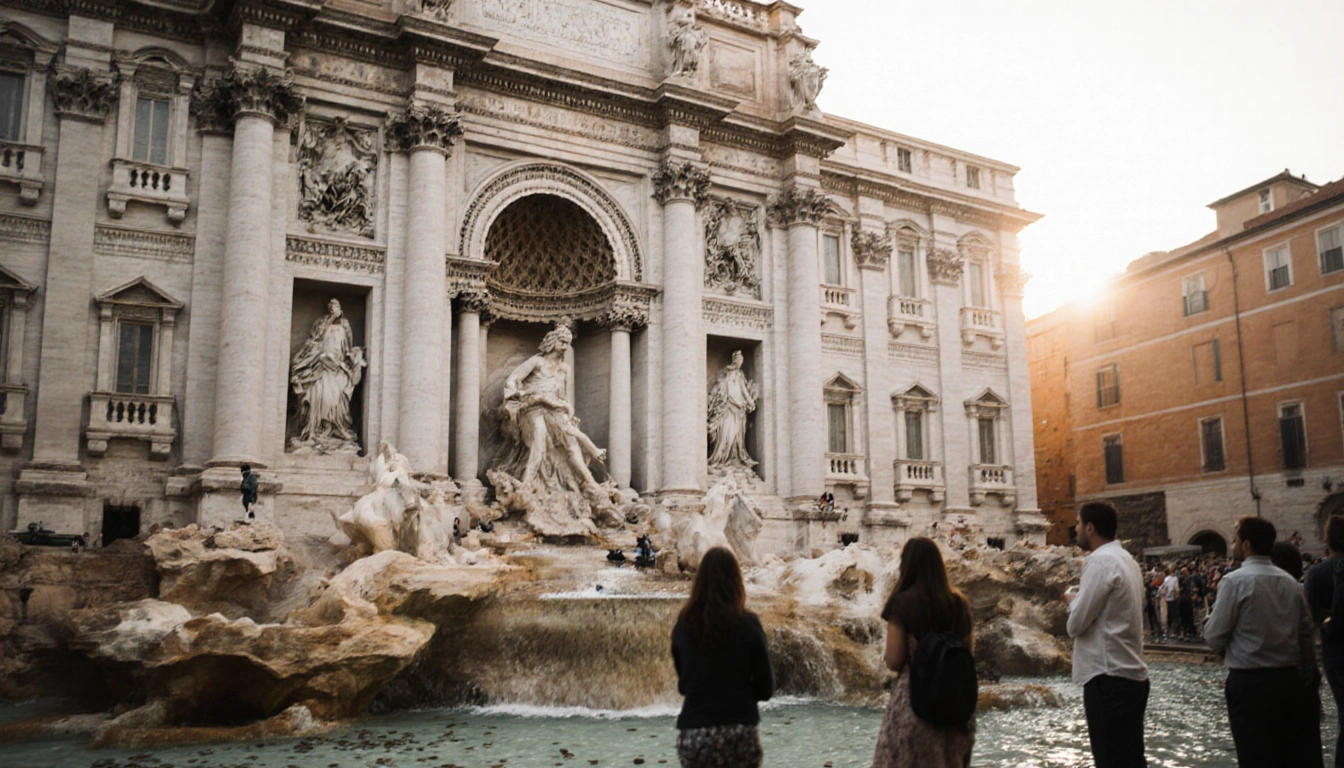
Rome has announced a €2 fee for tourists who wish to stand close to the Trevi Fountain during daylight hours, a move that could bring in €6.5 million annually.
New Fee Details
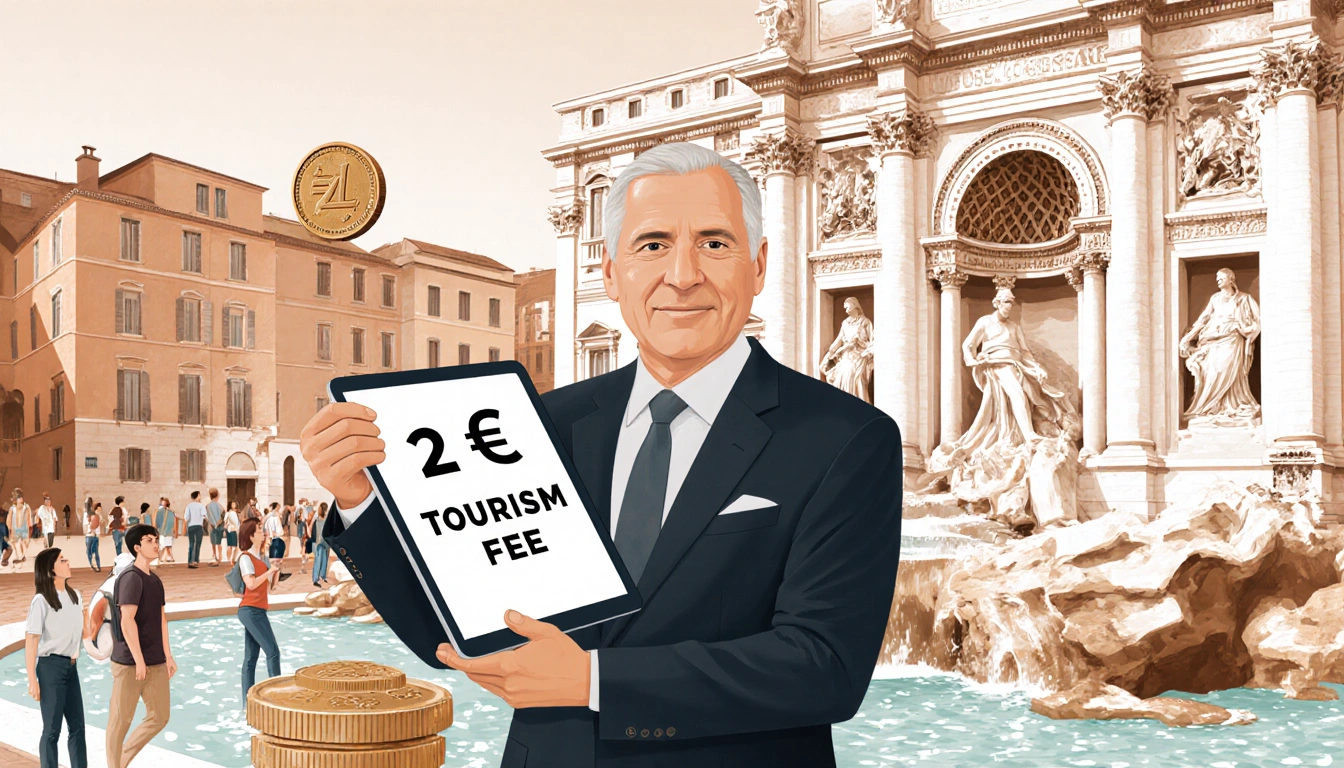
Starting Feb. 1, visitors who want to approach the front basin of the fountain must pay €2 ($2.35) during prime-time daylight, from 9 a.m. to 9 p.m. The fee can be paid online, in line, or at tourist ticket offices. After sunset the fountain is free to all.
Purpose and Background
The charge is part of Rome’s effort to manage the heavy flow of tourists in the congested area, improve the experience, and cover maintenance costs for the city’s heritage. The city has discussed the fee for more than a year and has used a similar system at the Pantheon and a more complex day-tripper tax in Venice. “We believe that culture is a fundamental right of citizenship,” Rome Mayor Roberto Gualtieri told a news conference. “We think it’s correct and positive that the citizens of Rome can enjoy our museums free of charge.”
Impact on Residents and Museums
Residents are exempt from the Trevi fee, and the city is also rolling out a 5-euro ticket for some museums while expanding the number of museums free for registered Roman residents. Gualtieri said the €2 fee is minimal and should not discourage visitors, but rather allow a more organized visit. “the 2-euro ($2.35) Trevi tourist fee is a minimal amount that shouldn’t discourage visitors, but rather allow for a more organized visit.”
Historical Context
The fountain was first commissioned by Pope Urban VIII in 1640 and revived by Pope Clement XII in 1730. It follows the original design of architect Nicola Salvi. The towering structure features the Titan god flanked by cascading falls into a shallow turquoise pool, a setting famously used in “La Dolce Vita” by Marcello Mastroianni and Anita Ekberg. Bathing is now prohibited, but legend says tossing a coin over the shoulder will bring a return to Rome.
Key Takeaways
- €2 fee for tourists at Trevi Fountain during daylight, exempt for residents.
- City expects €6.5 million extra revenue per year.
- 9 million people have queued this year, with peaks of 70 000 daily.
Rome’s new policy aims to reduce congestion and fund preservation, while keeping the iconic fountain accessible after dark.