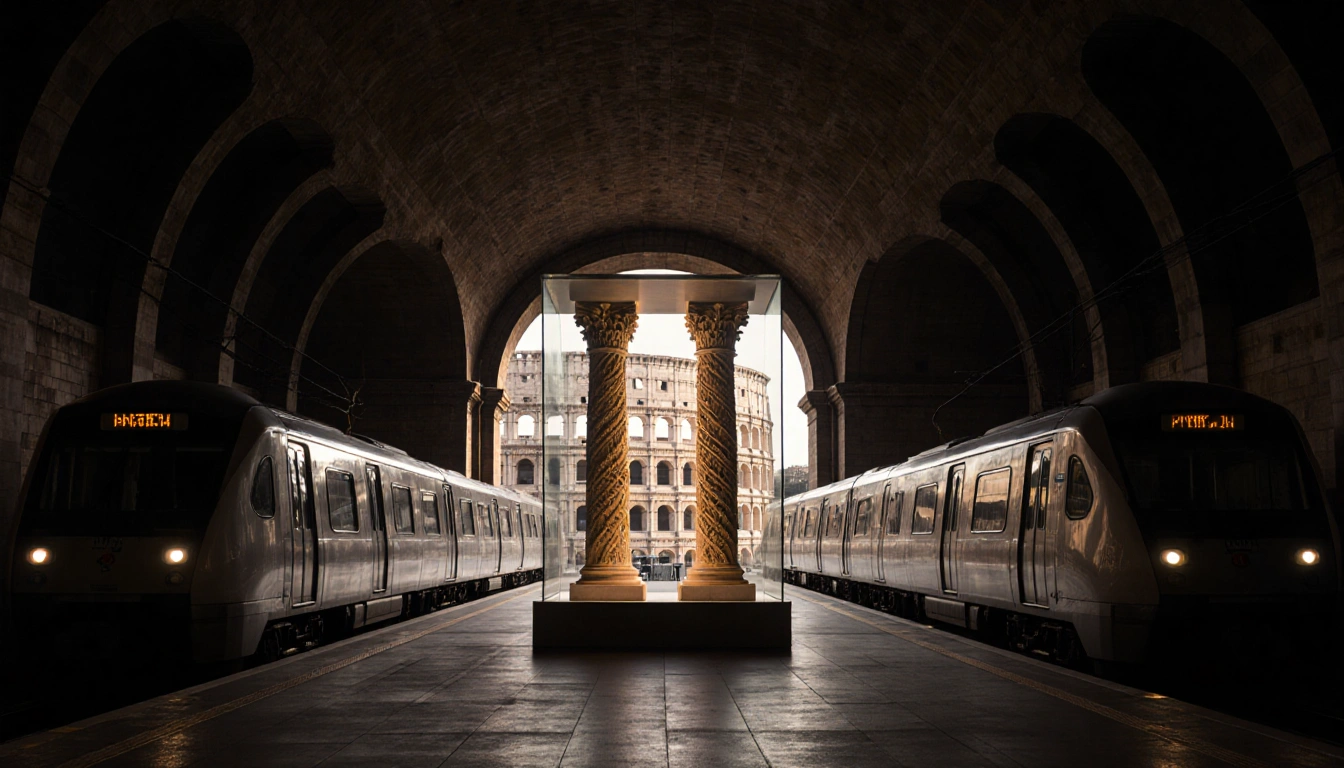
Rome opened two subway stations on Tuesday-one deep beneath the Colosseum-melding modern transport with ancient artifacts.
A Subway Beneath History
The new station adjacent to the iconic amphitheater allows commuters and tourists to walk past displays of ceramic vases, stone wells, suspended buckets, and the ruins of a cold plunge pool and thermal bath from a first-century dwelling. Screens inside the station document the excavation process, appealing to archaeology enthusiasts and explaining the delays in opening.
The 31-Station Line C
Line C, a multibillion-euro Metro C subway line, has been under construction for two decades. Bureaucratic hurdles, funding gaps, and the need to preserve underground Roman and medieval ruins have slowed progress. The line now has 31 stations, three-quarters of which are operational.
Construction Challenges
“The challenge was … building it under such a large amount of groundwater and at the same time preserving all the archaeological finds that we found during the excavation, and all this while preserving everything that is above,” said Marco Cervone, construction manager for the consortium led by Webuild.
Cost and Completion
The total cost for the line’s 31 stations will reach around 7 billion euros ($8.3 billion). According to the city-owned company’s press office, the entire line is expected to be finished by 2035.
Porta Metronia Station
A second station opened on Tuesday, Porta Metronia, located one stop from the Colosseum station and also 30 meters (about 100 feet) deep. It houses a nearly 80-meter (260-foot) military barracks dating to the start of the second century, found between 7 and 12 meters (22 and 39 feet) below ground.
Military Architecture
Simona Moretta, the scientific director of the excavation, explained that the barracks’ entrances are offset rather than facing each other, allowing soldiers to move in and out without colliding in the corridor. She added that the soldiers were likely part of the emperor’s guard or stationed for city security.
A Home with Art
The station also contains a home with well-preserved frescoes and mosaics. Moretta said a museum will be opened inside the station in the future.
Artifacts and Techniques
Digging near Rome’s center has yielded more than 500,000 artifacts, according to Webuild. To protect the delicate archaeological area, the company has used techniques such as freezing the ground to stabilize soil and building sacrificial diaphragms-concrete walls perpendicular to perimeter walls that are demolished as excavation advances.
Route Through Heritage
As the subway line continues past the Colosseum, it will run underneath other world-famous heritage sites, including Trajan’s Column, the Basilica of Maxentius, Renaissance palaces, churches, and the Vatican.
Next Stop: Piazza Venezia
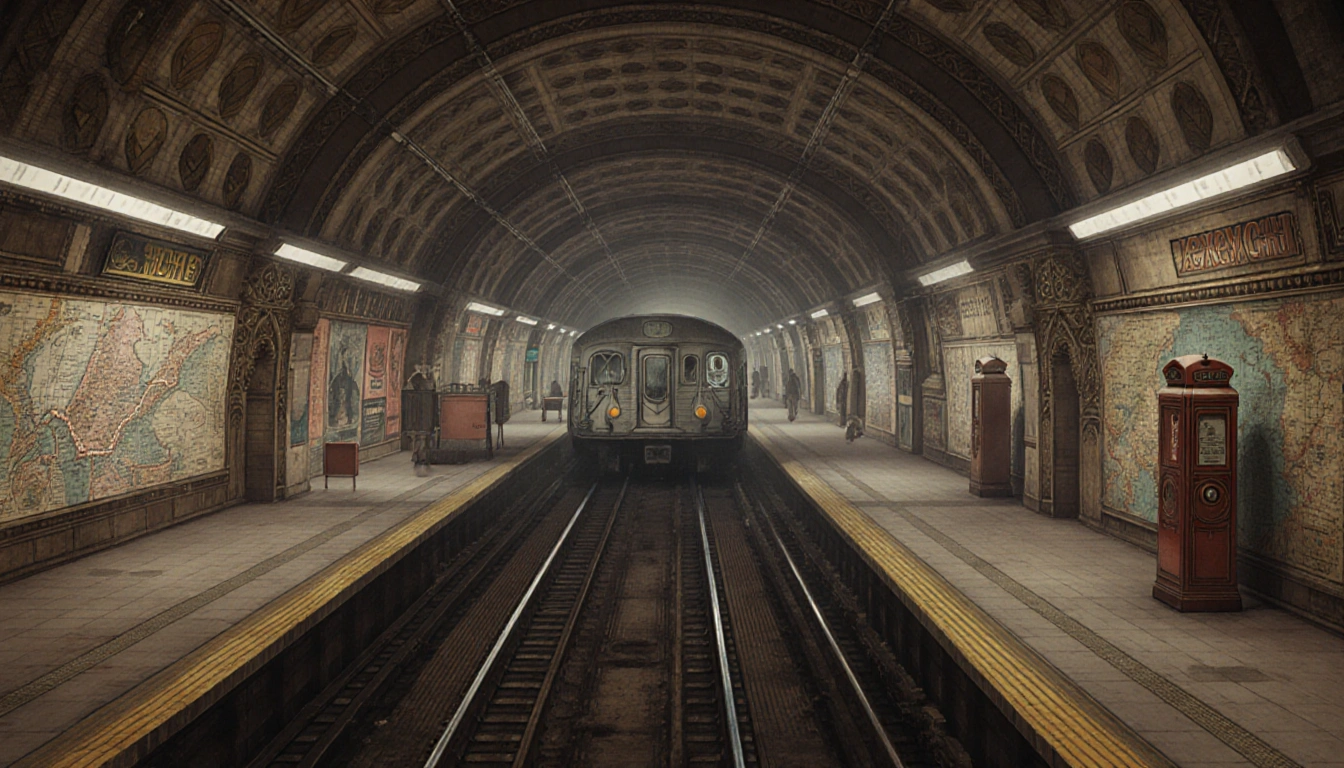
The next stop along the line is Piazza Venezia, the heart of Rome’s center. Cervone said subway cars will arrive at a depth of 48 meters (157 feet) when it opens in 2033.
Line Capacity
Once completed, Line C will span 29 kilometers (18 miles), with 20 kilometers (12 miles) underground, and will carry up to 800,000 passengers daily.
Benefit to Tourists
Tourists planning to visit the Colosseum and other historic sites in Rome’s center will be able to bypass the city’s notoriously snarled surface traffic-traffic that has worsened in recent years due to construction projects.
Key Takeaways
- Two new subway stations opened beneath the Colosseum and Porta Metronia, showcasing ancient artifacts.
- Line C, costing 7 billion euros, will be finished by 2035 and will carry 800,000 passengers daily.
- The project preserves more than 500,000 artifacts and uses specialized techniques to protect archaeological sites.
The opening of these stations marks a significant step toward easing traffic in Rome’s historic center while celebrating the city’s rich archaeological heritage.