At a Glance
- Marco Rubio says the U.S. will not take day-to-day control of Venezuela.
- Donald Trump previously claimed the U.S. would run Venezuela after Maduro’s ouster.
- Maduro was captured and taken to New York; 32 Cuban security officers were killed in the strike.
Why it matters: The U.S. shift signals a different approach to the crisis and raises questions about future intervention.
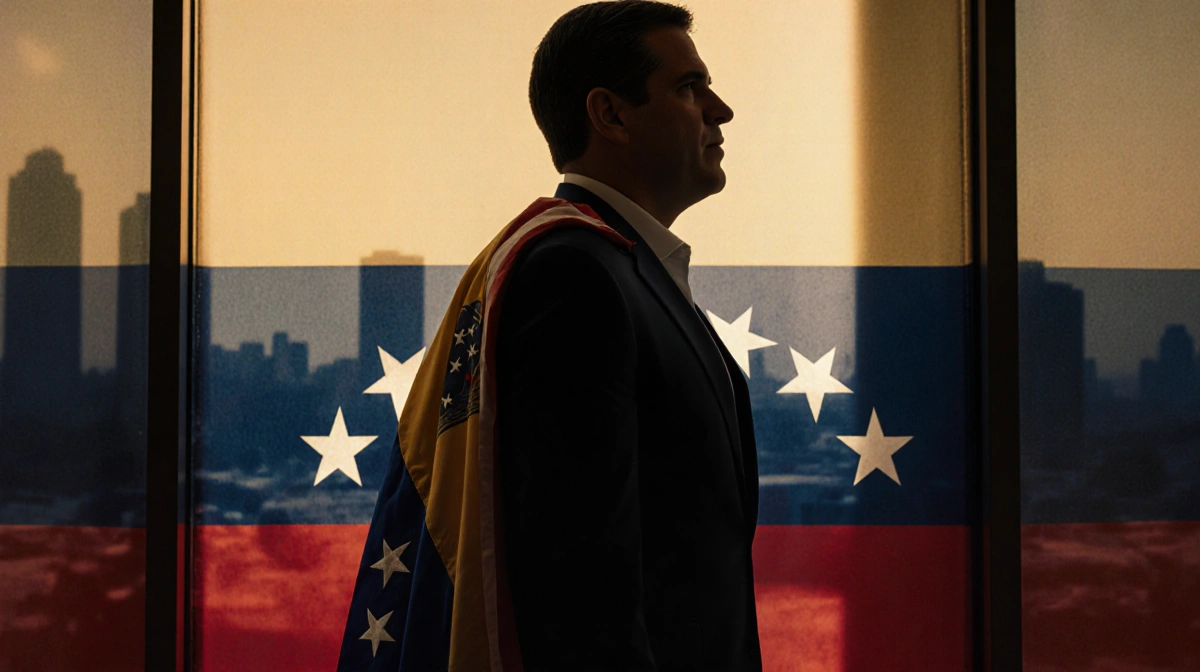
The United States has shifted its stance on Venezuela after President Donald Trump announced that the U.S. would run the country following the removal of President Nicolás Maduro. Secretary of State Marco Rubio clarified that Washington would not assume day-to-day governance, a move that may limit the scope of American involvement.
U.S. Statements
Trump’s statement on Air Force One was brief, noting that “a lot of Cubans were killed yesterday” and that “there was a lot of death on the other side. No death on our side.” Rubio, speaking on NBC, said the U.S. would not take daily control but would use oil sector influence.
Donald Trump announced:
> “You know, a lot of Cubans were killed yesterday.”
Donald Trump added:
> “There was a lot of death on the other side. No death on our side.”
Marco Rubio said:
> “We’re hopeful, hopeful, that it does positive results for the people for Venezuela.”
Marco Rubio added:
> “We don’t believe this regime in place is legitimate.”
- Trump: U.S. would run Venezuela
- Rubio: U.S. will not take daily control
- Maduro: captured and taken to New York
Cuban Impact
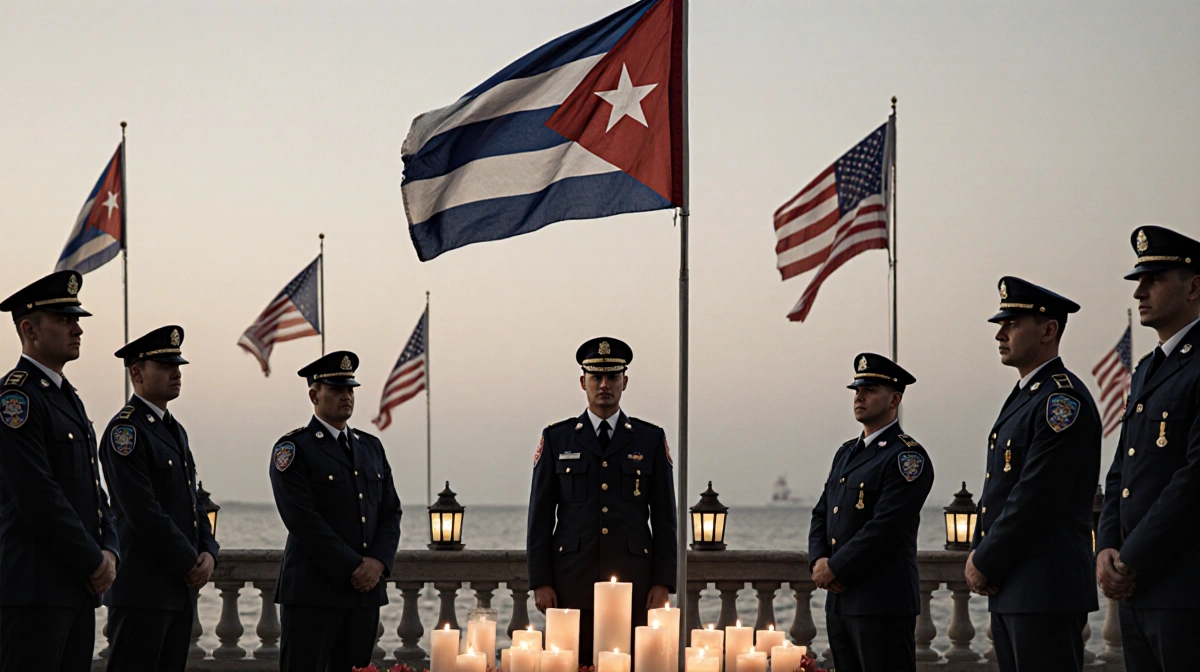
Cuban authorities condemned the strike, stating “All the nations of the region must remain alert, because the threat hangs over all of us.” The U.S. claimed 32 Cuban security officers were killed, the first official death count. Cuba declared two days of mourning.
Cuban authorities wrote:
> “All the nations of the region must remain alert, because the threat hangs over all of us.”
Legal and Political Developments
Maduro faces an indictment for a narco-terrorism conspiracy, with the U.S. alleging a 250-ton cocaine trafficking network. The indictment also charges his wife, Cilia Flores, and other associates. Maduro’s capture follows a U.S. operation that has left Venezuelan streets largely empty.
| Date | Event | Key Actor |
|---|---|---|
| Saturday | Maduro captured | U.S. forces |
| Sunday | Rubio statement | U.S. State Dept |
| Sunday | Cuban death count | U.S. strike |
| Monday | First court appearance | Maduro |
Interim Leadership and Oil
Vice President Delcy Rodríguez could serve up to 90 days, extendable to six months if the National Assembly approves. Trump warned Rodríguez that she could face a bigger price than Maduro if she does not cooperate. The oil sector remains key, with Venezuela producing about 1.1 million barrels per day, the world’s largest proven reserves.
Donald Trump said:
> “If she doesn’t do what’s right, she is going to pay a very big price, probably bigger than Maduro.”
36 years to the day after Manuel Noriega was removed by American forces.
Defense Minister General-In-Chief Vladimir Padrino López demanded Maduro’s release, calling the capture a cowardly kidnapping.
Vladimir Padrino López said:
> “The capture was a cowardly kidnapping.”
Key Takeaways
- U.S. has clarified it will not take day-to-day control of Venezuela.
- Trump’s earlier claim about running Venezuela contrasts with Rubio’s statement.
- Maduro faces a new indictment alleging large-scale drug trafficking.
The U.S. shift and the ongoing legal actions underscore a complex and evolving crisis in Venezuela.