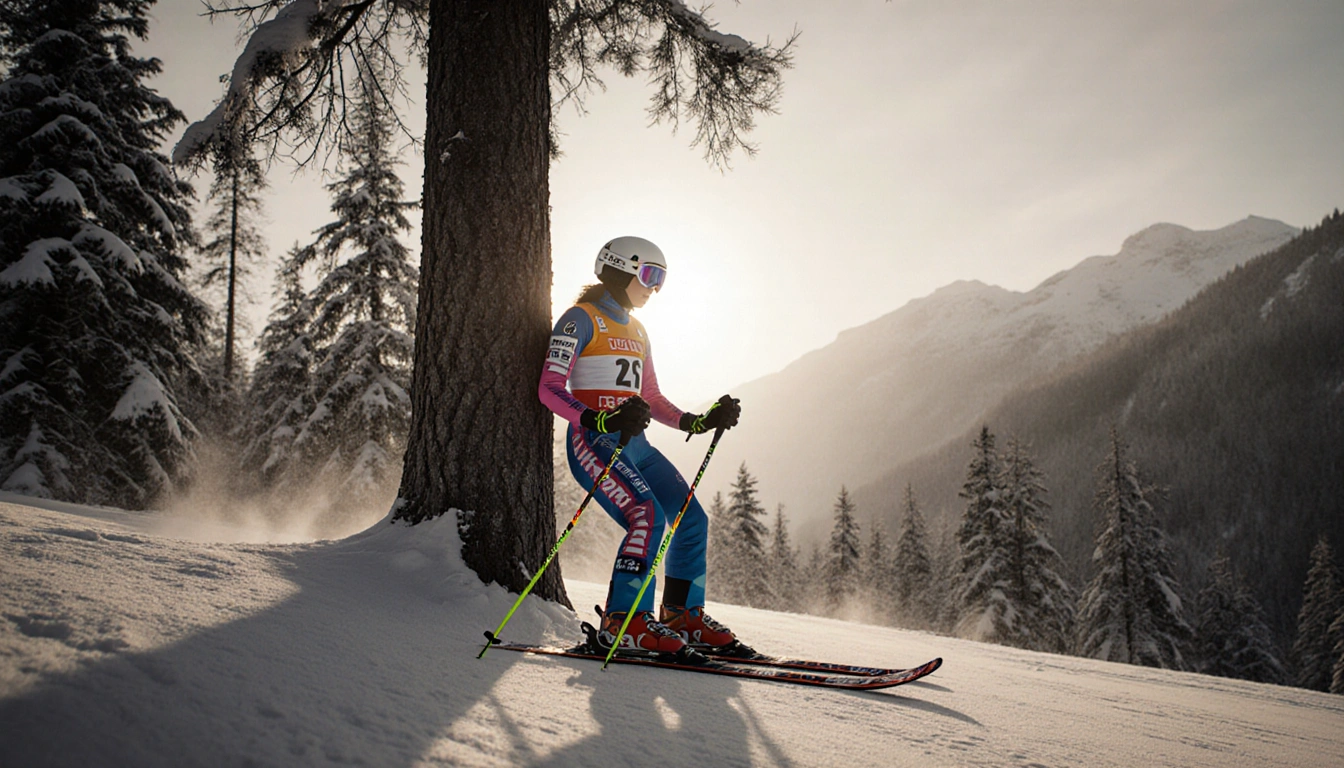
Semmering, Austria – Olympic champion Sara Hector led the women’s World Cup giant slalom after the opening run Saturday, edging out rivals by fractions of a second.
Opening Run Performance
Hector finished the first run 0.02 seconds faster than Austria’s Julia Scheib and 0.13 seconds ahead of Italian-born Lara Colturi, who competes for Albania. “It’s not easy, the course set is unrhythmic. I just tried to give gas and ski cleanly,” Hector told Austrian TV. The narrow margin highlighted the intense competition among the top skiers.
The 0.02-second advantage equaled a blink of an eye, underscoring how minuscule differences dictate podium placement in elite alpine skiing.
Hector’s triumph marks his first World Cup victory in nearly a year, reigniting his competitive momentum after a season-long absence from the top podium.
Course Conditions
The Semmering course, located near Vienna, presented an unrhythmic set that tested the racers’ adaptability. The uneven terrain required precise timing and balance, making each turn critical. Athletes had to navigate a mix of steep pitches and subtle shifts in snow texture.
The unrhythmic course demanded quick adjustments, as turns shifted from steep to shallow, testing each racer’s technical precision.
Hector’s Career Context
Hector’s victory marks his seventh career World Cup win, all achieved in giant slalom. He had last claimed a podium finish in Slovenia during the first weekend of January. The win brings him back to the top of the discipline after a nearly year-long drought.
Mikaela Shiffrin’s Strong Start
Mikaela Shiffrin, who has won the race in Semmering four times between 2012 and 2022, was among the fastest starters. Despite her early speed, she appeared to hold back after encountering a few bumps. The American star finished eighth, trailing by 1.16 seconds and needing to recover time in the second leg later Saturday.
Shiffrin’s Record and Recent Form
Shiffrin holds the women’s World Cup record of 22 giant slalom victories. She has not reached a podium in her past nine races, the longest streak of missing top-three results in her career since the first 15 GS races of 2010-11. Dominating slalom this season with four wins, she is still working to regain her form in giant slalom.
Shiffrin’s 22 giant slalom victories remain the record for the women’s World Cup, highlighting her historic dominance across the discipline.
Injury Background
More than a year ago, Shiffrin suffered a deep puncture wound in her side and severe oblique muscle trauma during a crash at a race in Killington, Vermont. The injury forced her to pause training and compete with lingering pain. Her return to the piste has been cautious and gradual.
Her 2014 crash in Killington, Vermont, left a puncture wound in her side and severe oblique muscle trauma, a reminder of the sport’s inherent risks.
Alice Robinson’s Crash
Two-time winner this season, Alice Robinson recorded the fastest intermediate time before the New Zealand racer lost her balance and slid off the course in a left turn. “I got unlucky and off balance and I pressured in a bad spot and just went face flat,” Robinson said. She expressed disappointment at missing out on points.
Robinson’s slide in a left-handed turn caused her to lose balance, a moment that cost her valuable points and disrupted her race strategy.
Expressing disappointment, Robinson noted she was ‘really disappointed not to be walking away with any points,’ reflecting the stakes of each run.
Discipline Standings Context
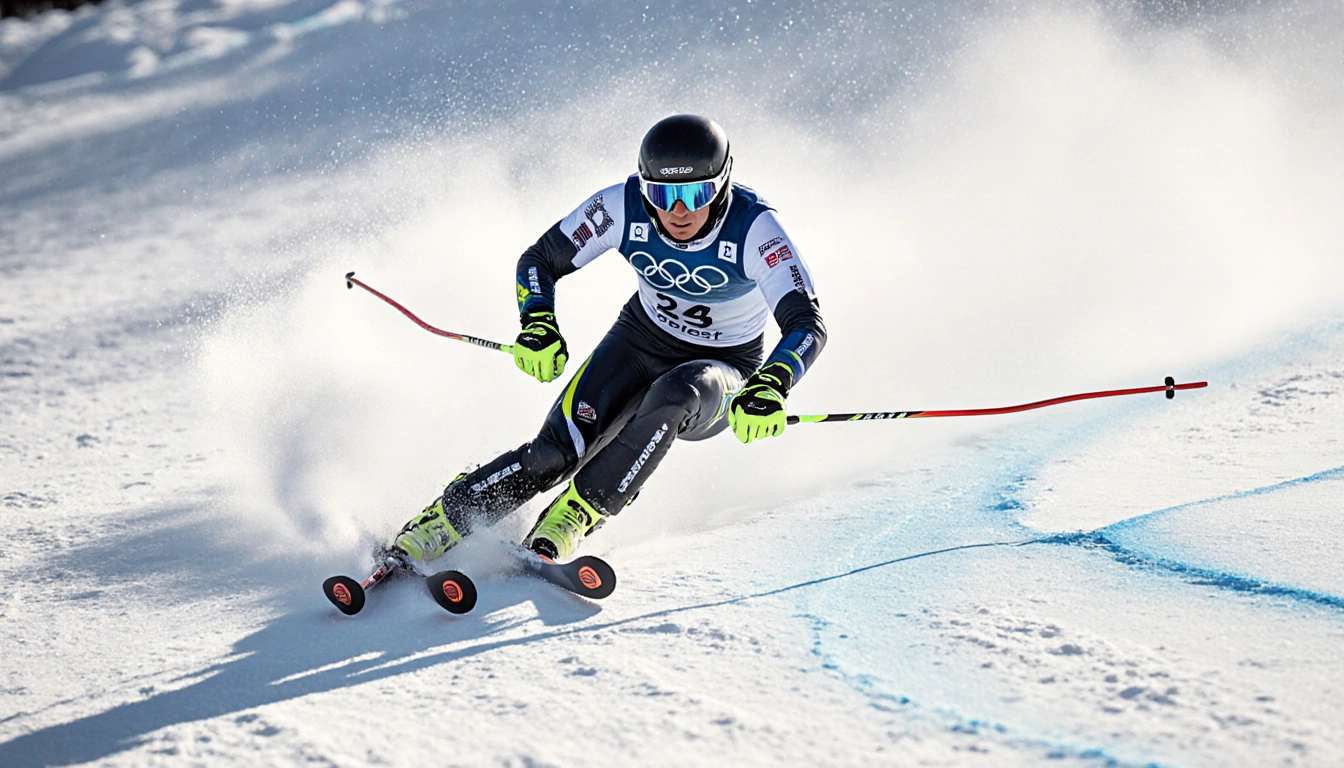
Coming into the race, Robinson led Scheib by 12 points in the discipline standings. Scheib, an Austrian skier, had won twice, including the most recent GS in Tremblant, Quebec, three weeks ago. The standings emphasize the tight battle among the top competitors.
The discipline standings saw Robinson leading Scheib by a 12-point margin before the race, a small buffer that could shift with the day’s results.
Scheib’s recent victories, including the Tremblant giant slalom in Quebec, positioned her as a strong contender for the overall discipline title.
Nina O’Brien’s Crash
Shiffrin’s teammate Nina O’Brien experienced a nasty-looking crash after a strong start to her run. The American appeared unhurt, though the incident added to the race’s dramatic moments.
O’Brien’s crash, though visually alarming, left her unhurt, illustrating how alpine skiers often recover swiftly from high-speed mishaps.
Race Dynamics
The opening run set the tone for a fiercely contested event. While Hector’s slight lead was decisive, the margins were razor-thin. Each athlete’s performance was influenced by course conditions, personal history, and the pressure of World Cup standings.
Key Takeaways
- Sara Hector leads the women’s giant slalom after a 0.02-second advantage over Julia Scheib.
- Mikaela Shiffrin’s eighth-place finish leaves her 1.16 seconds behind, needing a strong second run.
- Alice Robinson’s crash cost her a chance at points, despite a fast intermediate time.
Closing
Semmering’s giant slalom showcased the skill and resilience of the world’s top female skiers. With Hector’s victory, the discipline leaderboard will shift, and the season’s narrative continues to unfold. The race underscored how small margins and course challenges can redefine competition at the highest level.