At a Glance
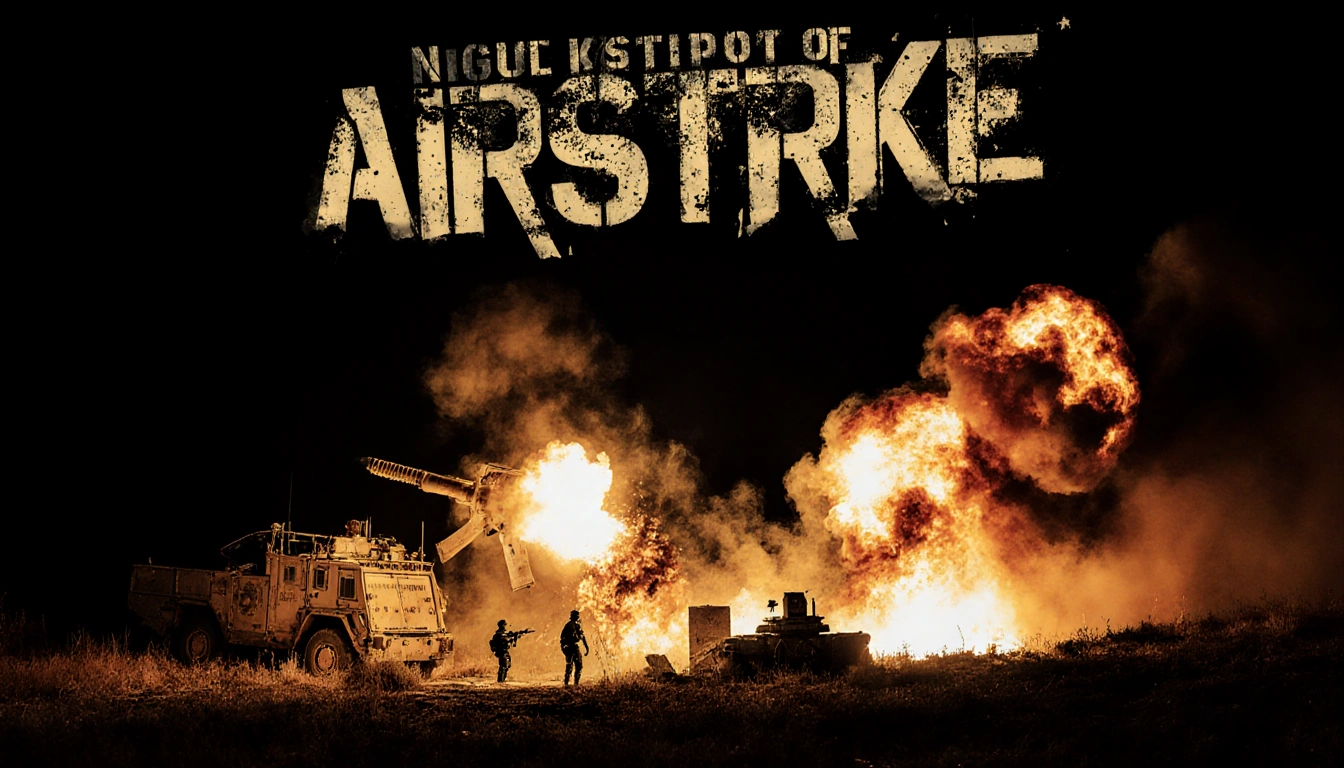
- Saudi Arabia bombed Yemen’s port city of Mukalla after UAE ships delivered weapons to separatists.
- The strike followed tensions over the advance of the Southern Transitional Council (STC).
- The attack threatens a new front in Yemen’s decade-long war and strains the Saudi-UAE partnership.
This move marks the most serious confrontation between the two Gulf allies in decades, as each side accuses the other of destabilizing the region.
Saudi Airstrike on Mukalla
A military statement from the Saudi Press Agency said the airstrikes hit Mukalla after two vessels arrived from Fujairah, UAE. The statement added that the ships’ crews had disabled tracking devices and unloaded a large amount of weapons and combat vehicles to support the STC.
The Saudi statement described the weapons as an imminent threat and said the Coalition Air Force conducted a limited strike targeting the offloaded military assets. No casualties were reported.
UAE’s Weapons Shipment and Denial
Hours later, the Emirati Foreign Ministry denied that it had shipped weapons, but acknowledged sending vehicles “for use by the UAE forces operating in Yemen.” It also claimed that Saudi Arabia had been informed of the shipment in advance.
The ministry called for “the highest levels of coordination, restraint and wisdom,” while noting that existing security challenges required careful handling.
Regional Tensions and Escalation
The confrontation risks turning the anti-Houthi coalition against one another. Saudi Arabia warned that the UAE’s actions were “extremely dangerous,” while the STC and its allies issued a statement supporting the UAE’s presence.
The attack comes after Saudi forces had targeted the STC in airstrikes on Friday, a move analysts described as a warning for separatists to halt their advance.
Impact on Yemen’s Conflict
**Mukalla lies in Yemen’s Hadramout governorate, which the STC seized in recent days. The port city is about 480 km northeast of Aden, the seat of anti-Houthi power.
Yemen’s war has killed more than 150,000 people and created one of the world’s worst humanitarian disasters. The Houthis have also launched attacks on hundreds of ships in the Red Sea corridor amid the Israel-Hamas war.
Statements and Reactions
Mohammed al-Basha, a Yemen expert and founder of the Basha Report, said:
> “I expect a calibrated escalation from both sides. The UAE-backed Southern Transitional Council is likely to respond by consolidating control.”
**Saudi Arabia’s Foreign Ministry linked the STC‘s advance to the Emiratis for the first time:
> “The kingdom notes that the steps taken by the sisterly United Arab Emirates are extremely dangerous.”
STC’s AIC satellite news channel aired footage of the strike but avoided showing damage to armored vehicles. The channel added:
> “This unjustified escalation against ports and civilian infrastructure will only strengthen popular demands for decisive action and the declaration of a South Arabian state.”
Yemen’s anti-Houthi forces declared a state of emergency, ended cooperation with the UAE, and imposed a 72-hour ban on border crossings and airport/sea-port entries, except those permitted by Saudi Arabia.
Timeline of Key Events
| Date | Event | Actor |
|---|---|---|
| Dec 22 | UAE ship Greenland leaves Fujairah | UAE |
| Dec 24 | Ship arrives in Mukalla | UAE |
| Tue | Saudi airstrike on Mukalla | Saudi Arabia |
| Tue | UAE Foreign Ministry statement | UAE |
| Tue | Yemen anti-Houthi forces declare emergency | Yemen |
Key Takeaways
- Saudi Arabia struck Mukalla after a UAE weapons shipment, heightening tensions between the Gulf allies.
- The STC and UAE face a new front as Saudi forces pressure separatists to withdraw.
- Yemen’s already fractured conflict risks a further split within the anti-Houthi coalition, threatening regional stability.
The latest strikes underscore the fragile balance in Yemen and the broader Red Sea region, with each side’s actions poised to reshape alliances and the war’s trajectory.