
When the sun starts to dip earlier each evening, many adults in Texas feel a sudden wave of gloom that lingers until spring. This seasonal dip in mood, known as seasonal affective disorder, is not just a fleeting feeling of being tired or sad. It can bring persistent sadness, fatigue, and a loss of motivation that disrupts daily life. The pattern is clear: symptoms flare up during the fall and winter months and fade as daylight returns in the spring.
Seasonal depression is a specific type of major depressive disorder. According to therapist Dalton Berryhill, it is distinguished by the fact that symptoms appear or worsen only with seasonal changes. Berryhill explains, “Let’s say you have all the symptoms of depression, and it only happens between fall and winter.” He continues, “That’s it. That’s the only time. But for the last two years, it stopped as the depressive symptoms and disorder stopped at the onset of spring. You would specify that this is seasonal depression.” This definition helps clinicians differentiate it from other mood disorders that are not tied to the calendar.
The core symptoms of seasonal depression mirror those of other depressive conditions, yet the timing sets it apart. People may experience a deep sense of sadness that is not easily lifted by usual coping strategies. Fatigue can become chronic, making even simple tasks feel exhausting. A loss of motivation often follows, causing individuals to withdraw from hobbies or social interactions. These symptoms collectively impair a person’s ability to function at work, school, or home.
Middle-aged and older adults are most frequently affected by seasonal depression. Berryhill notes that the holiday season can amplify feelings of loneliness, especially when family or friends are unable to visit. “They may still be having to work 40 hours a week, and they don’t get to see the sun, and their family’s not coming to see them, and they get time off from work to celebrate a holiday where they’re reminded about that loss of family,” Berryhill said. The combination of limited daylight, increased work demands, and reduced social contact creates a perfect storm for mood disturbances. As a result, many people in this age group find themselves in a cycle of isolation and sadness.
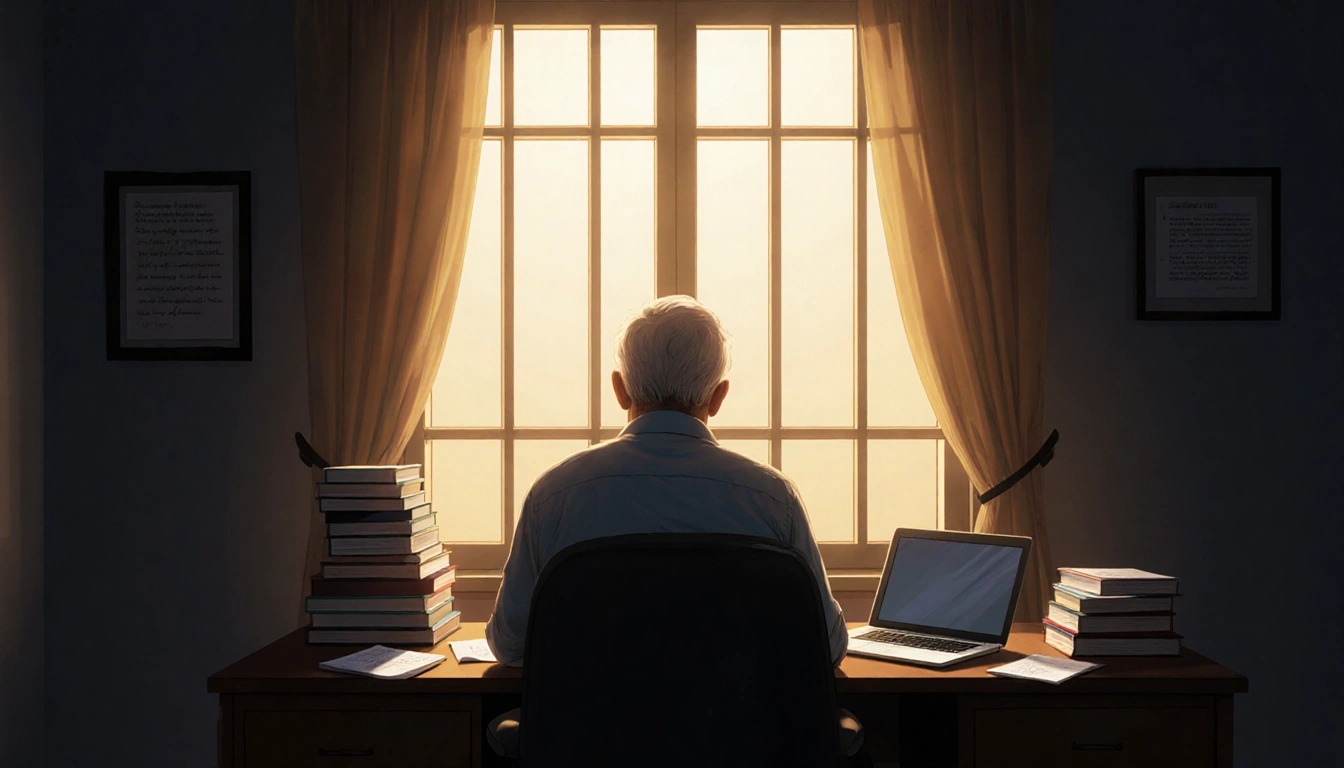
The science behind seasonal depression involves the brain’s production of mood-boosting chemicals. Berryhill explains that serotonin, a key neurotransmitter, is produced less efficiently during winter. “The brain’s ability to produce and regulate certain mood-boosting chemicals, like serotonin, is reduced during the winter months due to the shortened days, throwing off our circadian rhythm, also known as our body’s natural sleep cycle,” he said. This disruption in circadian rhythm leads to irregular sleep patterns and a general sense of disorientation. Over time, the body’s internal clock struggles to align with the external environment, exacerbating depressive symptoms.
Light exposure plays a pivotal role in maintaining emotional balance. Berryhill describes the daily routine of many people in winter: “We wake up right now, and it’s still dark outside.” The lack of sunlight makes it hard to stimulate the brain’s light receptors. Without sufficient sunlight, the skin’s exposure to daylight fails to reinforce the circadian rhythm, making it difficult to achieve restful sleep. The days are shorter, so people are up before the sun is up for a long time, compounding the feeling of being out of sync with nature.
During the holiday season, the scarcity of daylight can feel even more oppressive. Many individuals find themselves working full-time jobs while simultaneously missing out on family gatherings. The emotional toll is heightened by the realization that loved ones may be traveling or unable to visit. Berryhill points out that this period can bring an acute sense of loss and loneliness. The combination of reduced sunlight, increased workload, and limited social contact can intensify the depressive cycle.
When it comes to treatment, early recognition is key. Berryhill emphasizes that managing seasonal depression can start with sunlight, talking with a doctor or counselor, and getting enough sleep. Light therapy, which involves exposure to artificial light that mimics natural sunlight, is often recommended. Counseling or psychotherapy can help individuals develop coping strategies and address underlying emotional issues. Adequate sleep hygiene-such as maintaining a consistent bedtime routine-supports the body’s circadian rhythm.
Practical steps for those struggling with seasonal depression include:
- Seek natural sunlight: Spend time outdoors during daylight hours, especially in the morning.
- Use light therapy: Consider a light box that emits 10,000 lux to simulate sunlight.
- Consult a healthcare professional: Discuss symptoms with a doctor or counselor for personalized guidance.
- Prioritize sleep: Establish a regular sleep schedule and create a calming bedtime environment.
- Stay socially connected: Reach out to friends or family, even if it’s just a quick call or video chat.
These strategies are designed to restore balance to the brain’s chemistry and improve overall well-being.
Seasonal depression is a real, measurable health condition that can be managed with the right approach. By understanding the link between daylight, brain chemistry, and mood, individuals can take proactive steps to reduce symptoms. Therapists like Dalton Berryhill advocate for a combination of light exposure, professional support, and healthy sleep habits. If you notice persistent sadness, fatigue, or loss of motivation during the colder months, consider reaching out for help. Addressing seasonal depression early can prevent it from becoming a chronic burden.
Key Takeaways
- Seasonal depression is a type of major depressive disorder tied to shorter daylight hours.
- Middle-aged and older adults are especially vulnerable due to work demands and holiday loneliness.
- Managing the condition involves sunlight exposure, professional counseling, and good sleep hygiene.
In short, when the days grow shorter, the mind can feel heavier. Recognizing the signs early and taking actionable steps can help restore light-both literal and emotional-to those navigating this seasonal challenge.