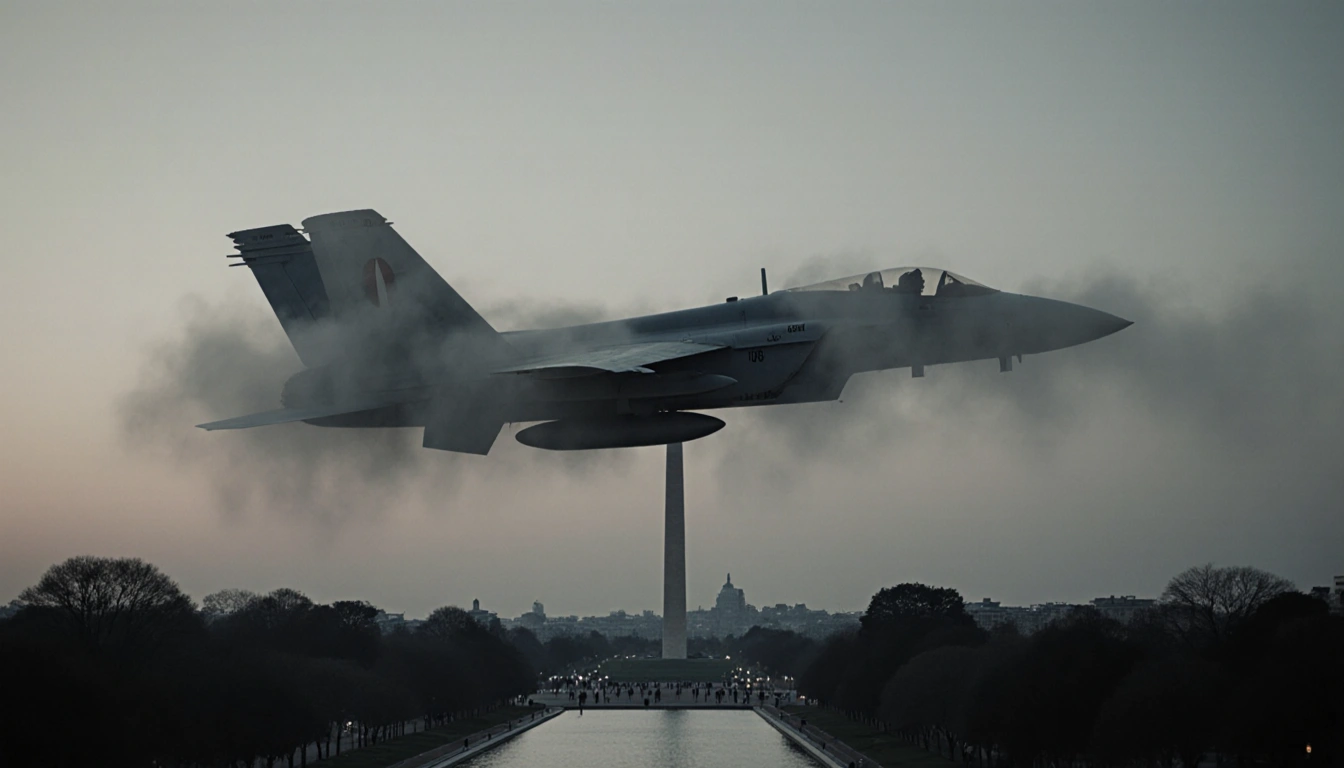
Sen. Ted Cruz is demanding that restrictions on military aircraft flights be reinstated before federal funding lapses at the end of next month, citing the Jan. 29 collision over Washington, D.C. that killed 67 people.
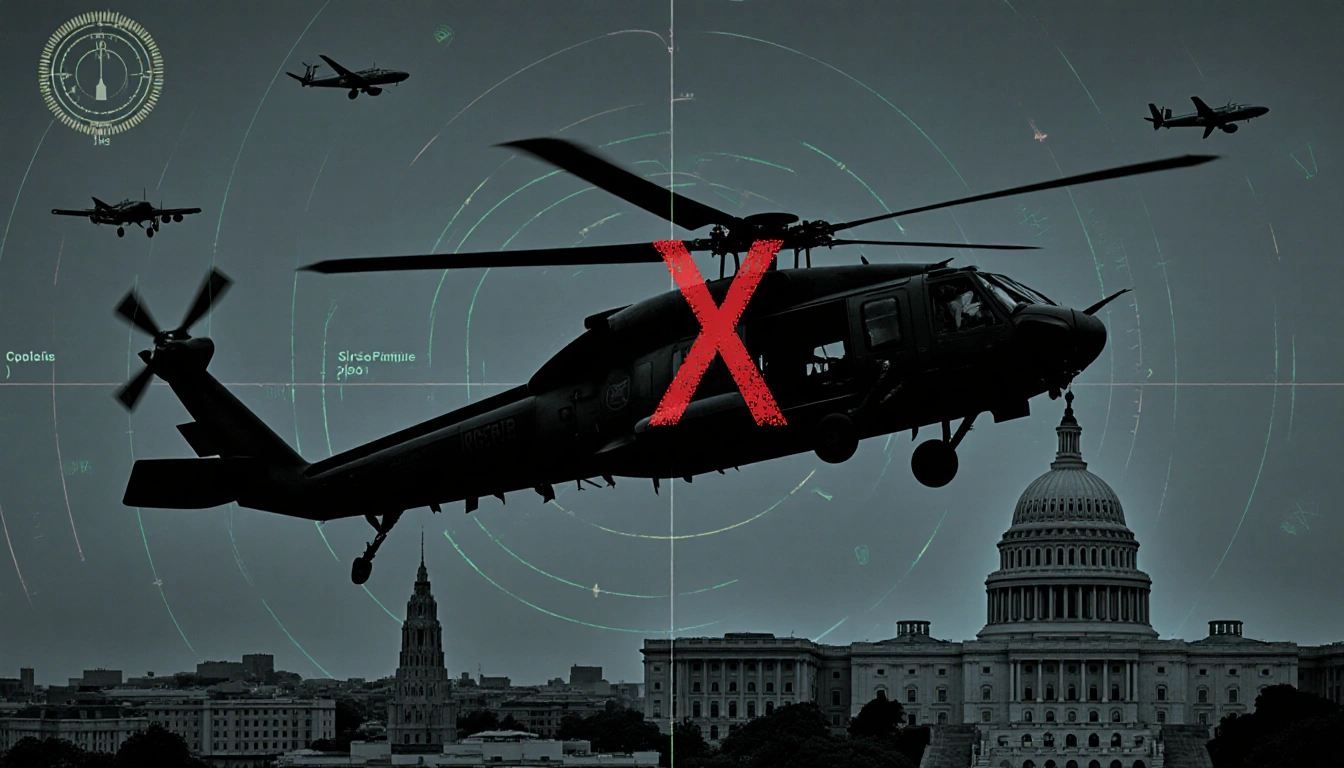
Senate Push for Restrictions
During a news conference on Monday, Cruz and Democratic Sen. Maria Cantwell addressed families of the crash victims and denounced a provision in a large defense bill that would allow military planes to operate without broadcasting their exact location. The provision would effectively undo safety measures that had been put in place after the January crash.
Cruz said the defense bill provision “was airdropped in at at the last moment,” and added that the special carve‑out “was exactly what caused the January 29th crash that claimed 67 lives.” He announced he will seek a vote on the ROTOR Act – “Rotorcraft Operations Transparency and Oversight Reform” – as part of any appropriations package before the continuing resolution expires.
The Defense Bill and Safety Concerns
The bill would let aircraft receive a waiver to return to operating without broadcasting their precise location, a practice that had been prohibited after the crash. Prior to the incident, military helicopters routinely flew through the crowded airspace around the capital without using the ADS‑B system, which the FAA began requiring for all aircraft in March.
National Transportation Safety Board Chairwoman Jennifer Homendy, senators, airlines and key transportation unions sharply criticized the new helicopter safety provisions when they came to light. The NTSB will release its final report on the crash next year, but investigators have already highlighted 85 near‑misses around Ronald Reagan National Airport and a helicopter route that put Black Hawks dangerously close to planes landing on the airport’s secondary runway.
Families, Support, and Congressional Reaction
Victim families, including Amy Hunter, who lost her cousin and his family, warned that the bill would weaken safeguards and reverse progress made under the Trump administration’s safety recommendations. Hunter said, “Trump and his administration had worked to implement safety recommendations from the NTSB, but warned those reforms could be lost in the military policy bill,” adding that it “now threatens to undo everything, all the progress that was already made, and it will compromise the safety around Reagan National Airport.”
The ROTOR Act, introduced last summer, has broad support from the White House, the FAA, the NTSB and the victims’ families. Senate Majority Leader John Thune said he hopes the legislation can be added to the funding package that the Senate may begin considering this week ahead of the holiday break. He noted, “I think we’ll get there on that, but it would be really hard to undo the defense authorization bill now.”
Key Takeaways
- Cruz wants military flight restrictions reinstated before the funding deadline, citing the Jan. 29 crash.
- The defense bill would allow aircraft to operate without broadcasting location, undoing recent safety measures.
- The ROTOR Act has support from multiple stakeholders and may be included in the upcoming appropriations package.
The debate over air safety near Washington, D.C., continues as lawmakers weigh the urgency of restoring restrictions against the potential impact on the defense bill’s passage and other key provisions.