At a Glance
- Senate tackles looming shutdown, Obamacare extension, and election-year politics.
- Senators reached a deal on FY2026 spending levels.
- Health care subsidies expire end-2025, talks set for January.
- Why it matters: The Senate’s moves will shape federal funding, health care access, and the political climate heading into 2026.
The Senate returns to Washington on Jan. 5, facing a trio of high-stakes issues: avoiding a repeat shutdown, extending Obamacare subsidies that expire in 2025, and navigating an election-year agenda that could reshape the chamber. Recent deals on fiscal 2026 spending give hope, but key debates remain unresolved.
Shutdown Risk Looms
The Senate finished 2025 by passing three full-year bills and a stopgap, leaving nine funding bills unfinished. A minibus of five bills stalled after Colorado Democrats blocked a line item for the National Center for Atmospheric Research.
Sen. Susan Collins and Rep. Tom Cole stated:
> “We reached a deal on top-line spending levels for fiscal 2026 and could begin crafting the spending bills.”
- 9 funding bills remain
- 5-bill minibus stalled
- Deal on FY2026 top-line spending
Health Care Subsidies in the Balance
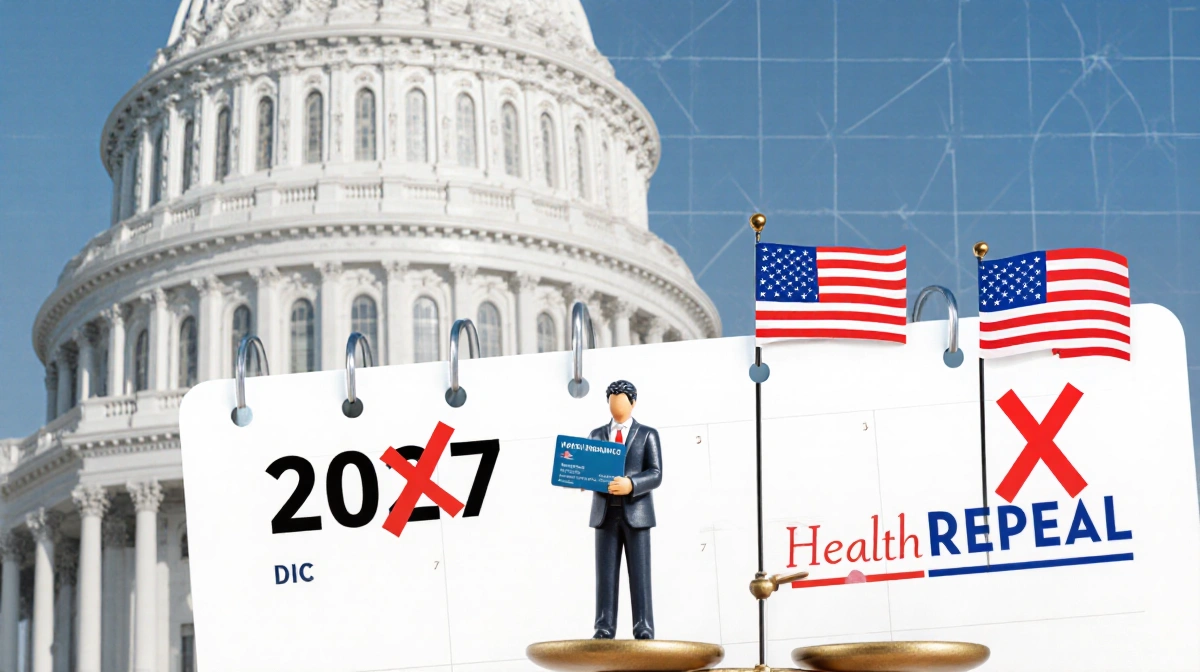
The ObamaCare subsidies that expired at the end of 2025 are the most contentious issue. A bipartisan group met Dec. 15 after two failed votes, with Collins and Moreno proposing a two-year extension plus reforms.
Sen. Brian Schatz stated:
> “My sense is that approach and the question of the health care subsidies are now not on the same tracks. They’re not on the same timeline.”
- Subsidies expire Dec 31 2025
- Two-year extension proposal
- Talks to continue into January
Sen. John Thune remarked:
> “I’m not saying it’s likely, and I’m not saying it’s impossible.”
Sen. Tim Kaine added:
> “It’s completely different when the number of people on the [GOP] side who said to me, ‘Why would we do something if the House is just going to kill it anyway?’ Well, OK – now we know that it’s not DOA in the House. When they send a bill over, that’s not DOA.”
Reconciliation & Budget Strategy
GOP leaders keep reconciliation as an option but have not committed. Thune said the decision depends on health-care talks or tax issues. Graham plans a budget resolution soon, targeting immigration and military funding.
Sen. Lindsey Graham stated:
> “It would be political malpractice not to do another reconciliation.”
- Reconciliation remains an option
- Budget resolution to start next week
- Focus on immigration and defense
Election-Year Dynamics and Leadership Scrutiny
Senators will spend 21 weeks away from Washington, including 10 weeks in August and the pre-election stretch. Lummis announced her retirement after one term, citing exhaustion. Lankford highlighted the chance to be home more.
Sen. Cynthia Lummis said:
> “Deciding not to run for re-election does represent a change of heart for me, but in the difficult, exhausting session weeks this fall I’ve come to accept that I do not have six more years in me.”
Sen. Chuck Schumer remarked:
> “When you’re going to be leader, you have to make tough decisions which you think are good for the country, good for your caucus and good for the party. And you’re going to get criticism.”
| Year | Weeks in Washington | Weeks Away |
|---|---|---|
| 2025 | 13 | 13 |
| 2026 | 31 | 21 |
Key Takeaways
- Senate may avoid a shutdown with FY2026 deal but funding bills still pending.
- Obamacare subsidies are set to expire, with a two-year extension under discussion.
- GOP may launch a second reconciliation package focused on immigration and defense.
- Senators will spend more time in their home states, impacting legislative activity.
The Senate’s early actions will set the tone for a politically charged 2026, as lawmakers balance fiscal responsibility, health care access, and an upcoming election.