A decisive 76‑20 Senate vote on Monday lifted a key procedural hurdle, moving the National Defense Authorization Act (NDAA) a step closer to final passage before lawmakers depart for the holiday break.
The Senate Move
The Senate had previously moved the package forward on Thursday after the House passed it with a 312‑112 vote. The bipartisan bill is priced at $900 billion, $8 billion more than President Trump’s requested total, and contains provisions such as a pay raise for service members, limits on U.S. investment in China, and aid to Ukraine.
Aviation Safety Amendment
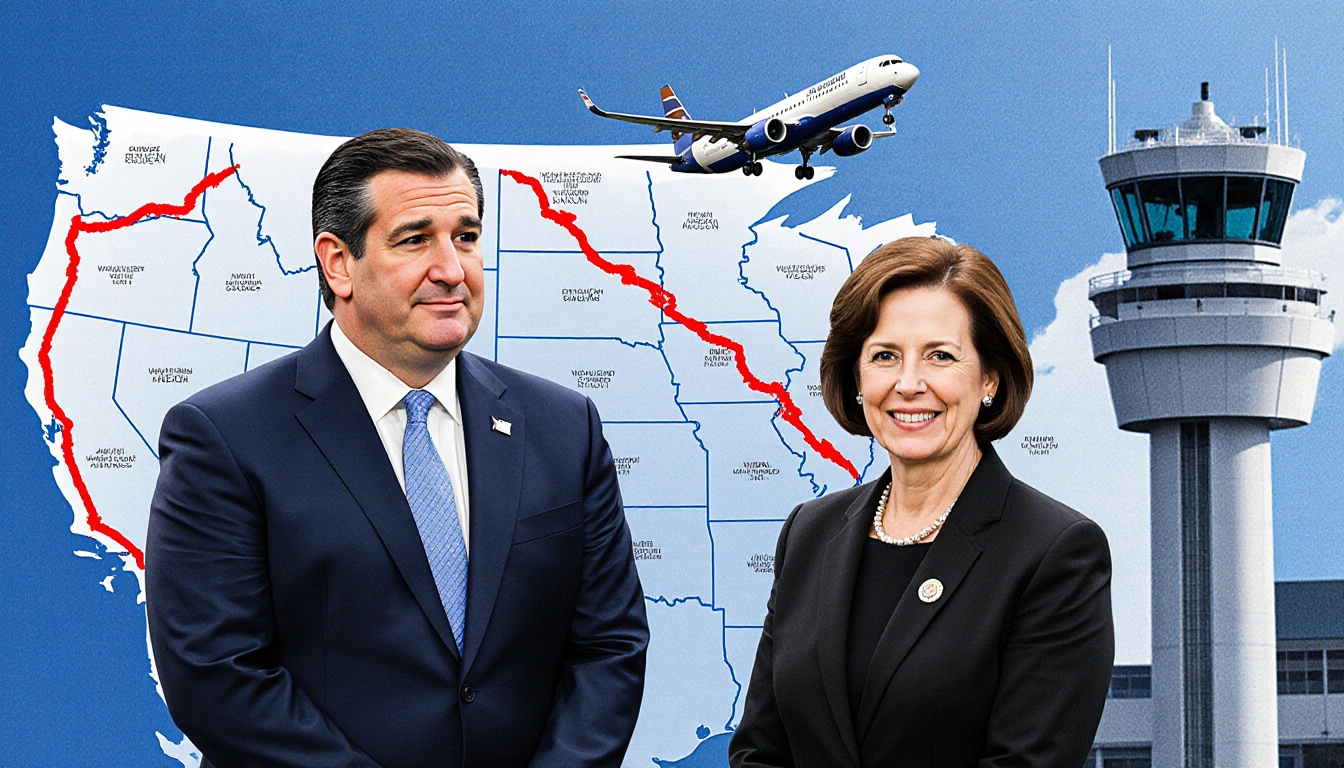
Senate Commerce Committee Chair Ted Cruz (R‑Texas) and ranking member Maria Cantwell (D‑Washington) filed an amendment to strengthen language that would restrict military aircraft travel to Ronald Reagan Washington National Airport. The current NDAA provision requires military training aircraft to report their location to air traffic controllers, but waivers could be granted by the secretary of Transportation or the head of a military branch.
The amendment comes almost a year after a domestic flight collided with an Army helicopter on January 29, killing 67 people. Senator Mark Warner (D‑Virginia) said the current language could make flying into the capital region significantly less safe. “The language in this provision could allow rolling back crucial new safety practices I fought to implement after the January 29 tragedy, and give the Department of Defense more discretion over safety procedures in the region,” Warner said in a statement. “After what happened in January, it’s clear that we cannot rely on the DoD alone to be the safety authority over its flights in this area and that we need more, not less, oversight to prevent another tragedy from ever occurring again.”
Political Dynamics
Speaker Mike Johnson (R‑Louisiana) had to placate conservatives in his conference to secure their support for the procedural vote, but the House passage went smoothly. Senate Majority Leader John Thune (R‑South Dakota) told reporters that amending the NDAA itself is unlikely because the House would need to re‑pass the bill. “It’d be really hard to undo the [NDAA] now,” Thune said. He added that a bill proposed by Cruz aimed at boosting aviation safety could receive an amendment vote and be attached to the spending package leaders hope to move on the floor soon.
Key Takeaways
- Senate passed NDAA 76‑20, moving it closer to final approval.
- Amendment seeks to tighten military aircraft rules at Reagan National Airport.
- Senate Majority Leader Thune says undoing NDAA is hard; amendment may be added to spending package.
With the holiday break approaching, the Senate’s procedural win keeps the NDAA on track, but aviation safety concerns and political negotiations may still shape the bill’s final form before it reaches the floor.