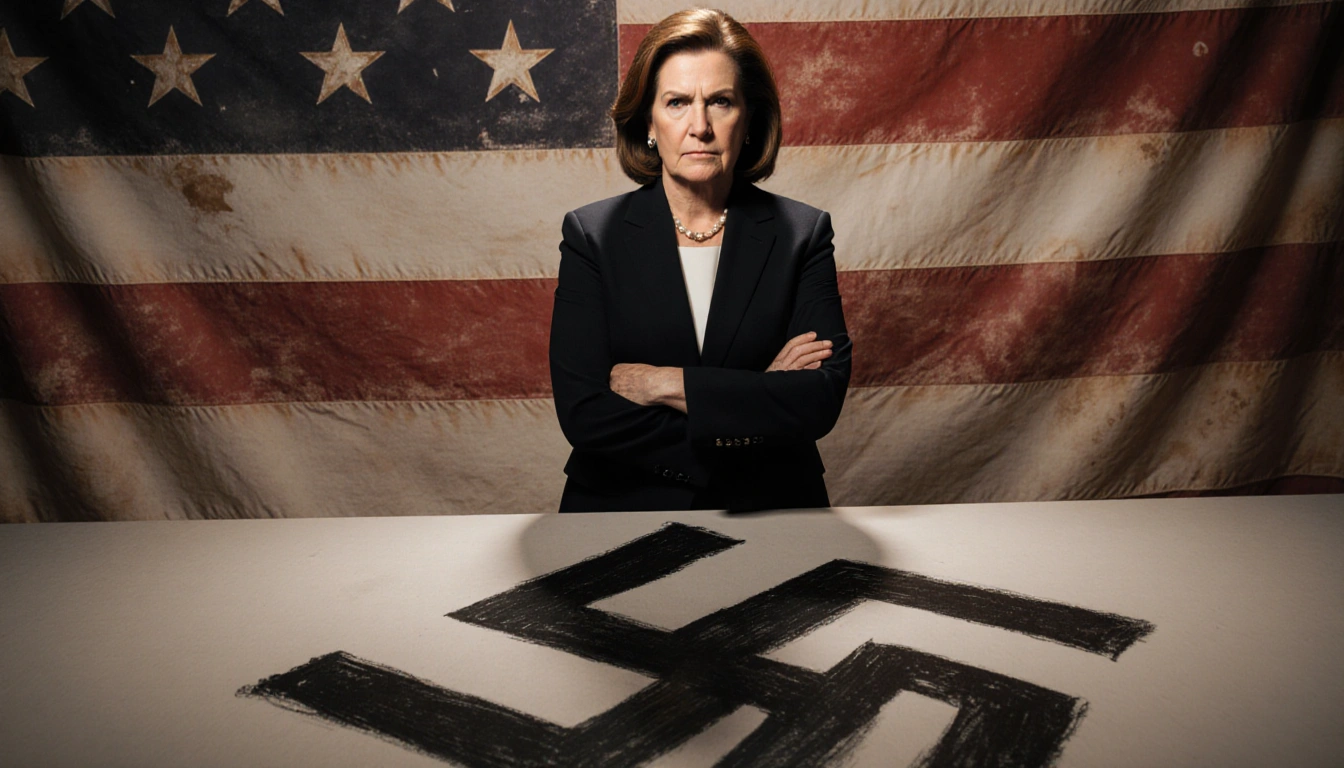
Senator Jacky Rosen, D-Nev., posted on social media that she is pausing Admiral Kevin Lunday’s nomination for Coast Guard commandant because leaders appeared to have “backtracked” on a commitment to ensure that swastikas and nooses are considered hate symbols and prohibited from being displayed.
Background on the Nomination
Rosen said that the nomination is on hold until she has clear answers. She wrote, “As it appears that Admiral Lunday may have backtracked on his commitment to me to combat antisemitism and hate crimes and protect all members of the Coast Guard,” she added, “I will be placing a hold on his nomination until the Coast Guard provides answers.”
The Controversial Policy Shift
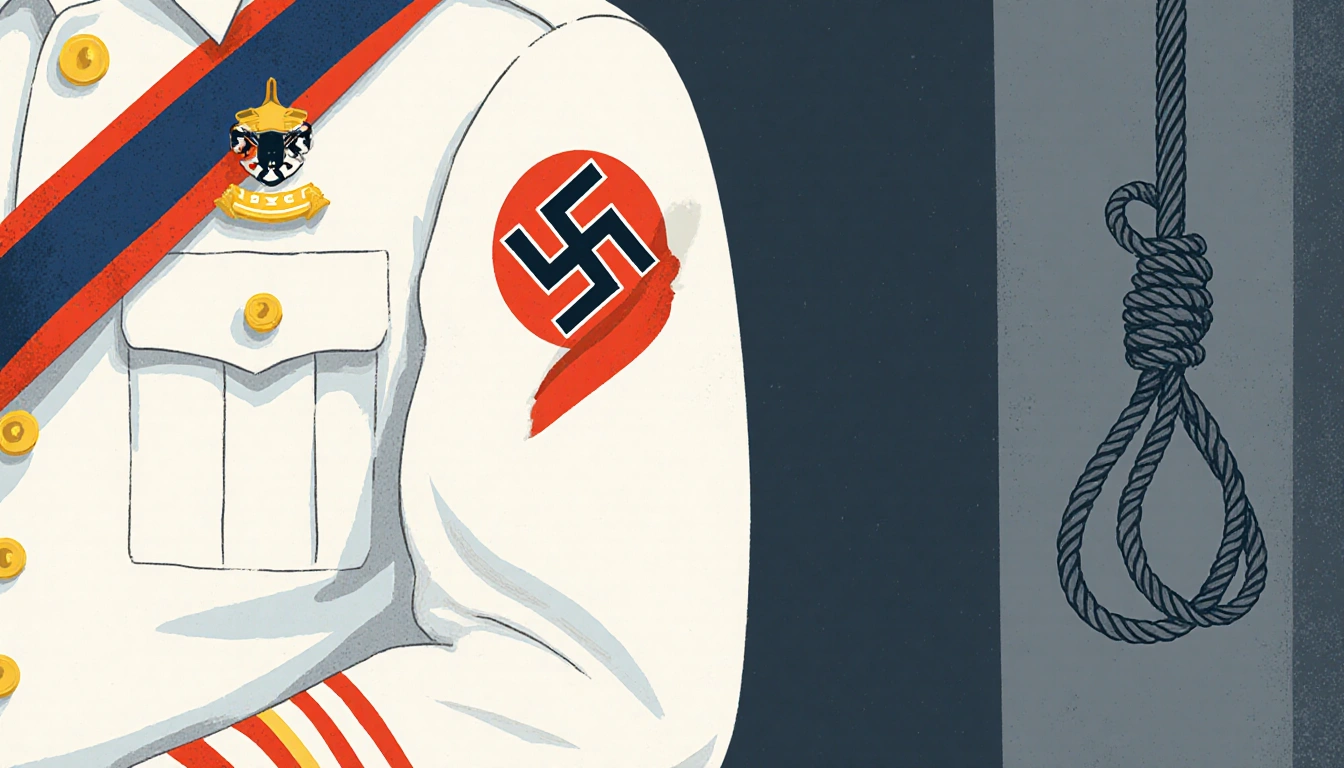
The controversy centers on the Coast Guard’s revision of its policy on swastikas, nooses and other hate symbols. The new policy, announced publicly last month, labels such symbols as “potentially divisive.” It stops short of banning them outright, instead allowing commanders to remove them from public view and stating that the rule does not apply to private spaces such as family housing.
This change marks a departure from a years-long policy that described these symbols as “widely identified with oppression or hatred” and called their display “a potential hate incident.”
The Department of Homeland Security, which oversees the Coast Guard, insisted that there “was never a ‘downgrade'” in policy language. Tricia McLaughlin, a DHS spokesperson, said in a statement that the change “strengthens our ability to report, investigate, and prosecute those who violate longstanding policy.” She added that the symbols listed in the policy include, but are not limited to, nooses, swastikas, and any symbols or flags that have been adopted by hate-based groups to represent supremacy, racial or religious intolerance, antisemitism, or any other form of bias.
Bipartisan Push for Clarification
When the changes first emerged, Rosen and Sen. James Lankford, R-Okla., who lead a bipartisan antisemitism task force, pressed the Coast Guard for more information. In late November, the Coast Guard released a memo that clarified that “hate symbols and flags are prohibited.”
However, the final policy published this week still uses the language that describes the display of nooses or swastikas as “potentially divisive,” according to a person familiar with the situation who was unauthorized to discuss it and spoke on the condition of anonymity.
The Coast Guard has insisted that the final policy is superseded by Lunday’s memo that ensured such symbols would be “prohibited,” the source said. Yet the final version of the new policy retains the wording that calls those items “potentially divisive.”
The Washington Post first reported on the new policy moving forward.
Key Takeaways
- Senator Rosen has placed a hold on Admiral Lunday’s nomination pending answers about the Coast Guard’s hate symbol policy.
- The policy shift labels swastikas and nooses as “potentially divisive” rather than banning them outright.
- A DHS memo and a Coast Guard memo affirm that hate symbols are prohibited, but the final policy still uses the “potentially divisive” terminology.
In summary, the pause on the nomination reflects growing concern over the Coast Guard’s handling of antisemitism and hate symbols, as lawmakers seek clarity on the agency’s commitment to protecting all members and preventing the display of hate symbols on Coast Guard property.