At a Glance
- Sleep Number‘s P6 mattress offers 100 firmness levels and responsive air pressure relief.
- The FlexFit 3 adjustable base adds foot warming, under-bed lighting, and zero-gravity.
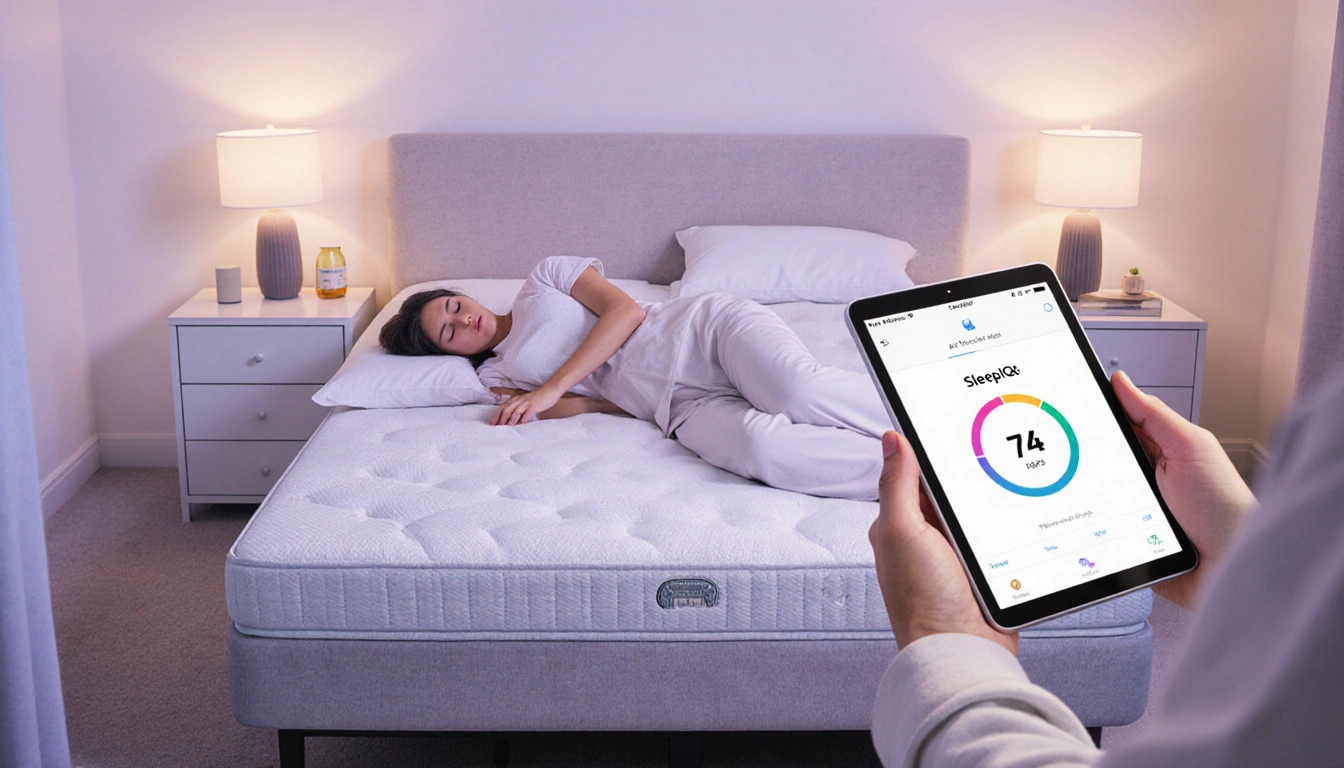
- A 3-week test gave the P6 an average SleepIQ score of 74, below the author’s expectation.
- Why it matters: Consumers can see how Sleep Number’s tech stacks up and decide if the extra cost is worth it.
Sleep Number has been a mattress name since 1987, rebranded in 2017, and now operates 610 stores across the U.S. The brand sells 11 smart-bed models that let users adjust firmness, incline, and track sleep metrics-all through a single app. I tested the company’s flagship P6 mattress and the FlexFit 3 base to see how the tech performs in real life.
The P6 Mattress: Pressure Relief and Personalization
The P6 stands 11 inches tall thanks to an extra inch of ceramic gel foam, designed to cool and relieve pressure. Its “Responsive Air” system uses five zoned chambers that read pressure sensors and adjust support in real time, a feature that can be toggled off if it feels disruptive. During my trial, I settled on a firmness setting of 40-50 on my side and 60-70 on my husband’s side, demonstrating the mattress’s dual-air-chamber design.
- 100 firmness levels controlled by an under-bed engine and Wi-Fi sync
- Dual air chambers for side-specific firmness
- Responsive Air adjusts pressure zones automatically
- Requires a stable power source; outages cause the bed to deflate
SleepIQ and Health Tracking
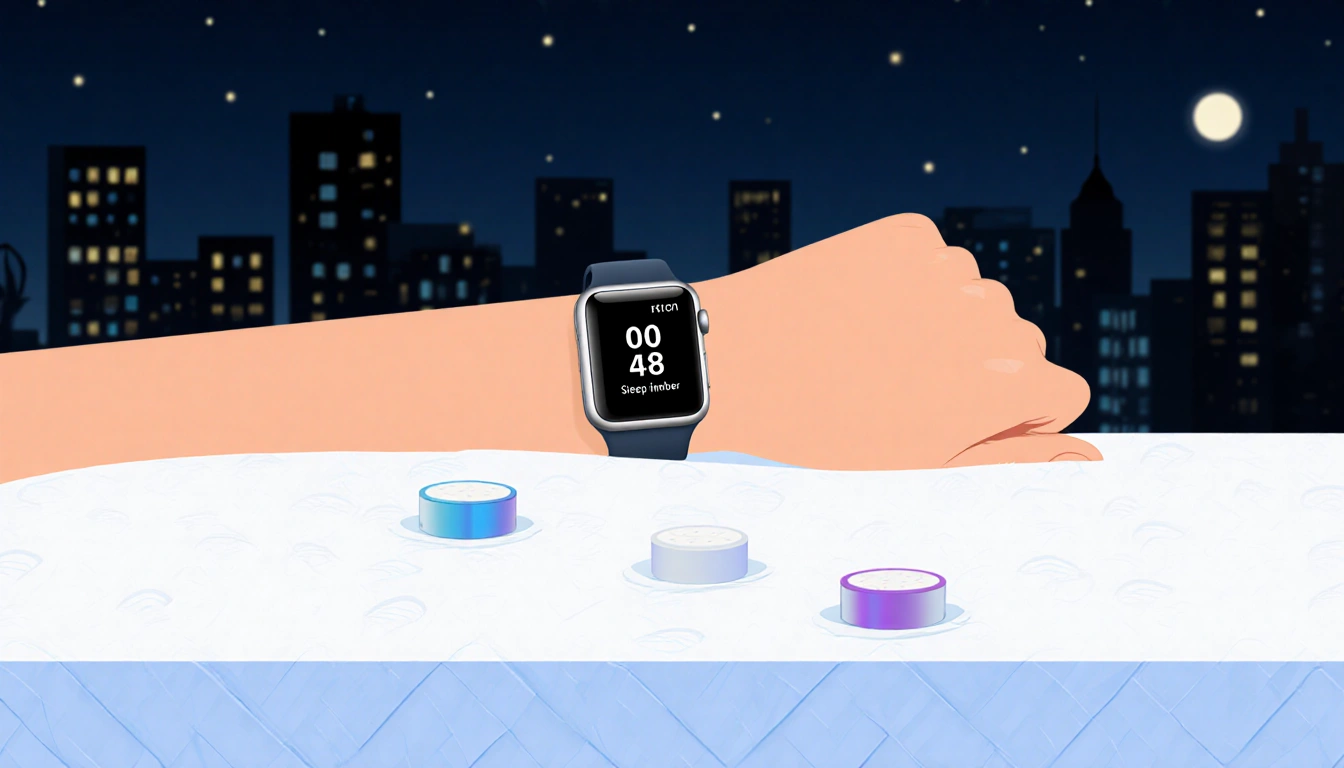
Sleep Number’s SleepIQ algorithm learns from heart rate, HRV, breathing rate, and sleep stages to generate a nightly score. I compared the bed’s data to my Apple Watch SE and found the sensors, located at the bottom of the mattress, can produce similar metrics, though the scores varied by up to 10 points. Raj Mills, senior VP of partnerships and research, explained the technology:
Raj Mills stated:
> “Our AI models take into account foam depth and still maintain the same level of accuracy regardless of how far below the surface of the bed the sensors are.”
Raj Mills added:
> “They are cohesively performing a ballistocardiograph, which monitors the blood flow generated by the heart and ultimately determines your heart rate score.”
The average SleepIQ score over three weeks was 74, lower than the high scores I expected from the app.
The FlexFit 3 Adjustable Base
The FlexFit 3 base offers several upgrades over its predecessors. It heats the foot area for two minutes to a two-hour default, provides a zero-gravity position, a partner snore lift, and motion-detect under-bed lighting. The foot-warming feature is a $400 upcharge for a queen size. Below is a quick comparison of the three base models.
| Model | Foot Warm | Zero Gravity | Under-Bed Lighting | Upcharge |
|---|---|---|---|---|
| FlexFit 1 | No | Yes | Yes | $0 |
| FlexFit 2 | No | Yes | Yes | $0 |
| FlexFit 3 | Yes | Yes | Yes | $400 |
The FlexFit 3 works with any Sleep Number mattress that is adjustable-base compatible, though the company recommends keeping the bed and base bundled for best durability.
Choosing the Right System
If you suffer from severe pressure-point pain or need detailed sleep tracking, the P6 is a solid choice. For most couples, the FlexFit 3 base adds value with its foot-warming and lighting, especially if you want a relaxed reading environment at night. Remember that the 100 firmness levels can be overwhelming; it may take longer to settle on a preferred setting.
Key Takeaways
- The P6 mattress delivers 100 firmness levels and responsive air, but its SleepIQ score averaged 74 in a real-world test.
- The FlexFit 3 base adds foot warming, zero-gravity, and lighting, with a $400 foot-warm upcharge.
- Couples can customize each side, but the abundance of firmness options may slow decision-making.
In short, Sleep Number’s high-tech offering works well for those who need precise pressure relief or health data, while the FlexFit 3 base is a worthwhile upgrade for comfort and convenience.