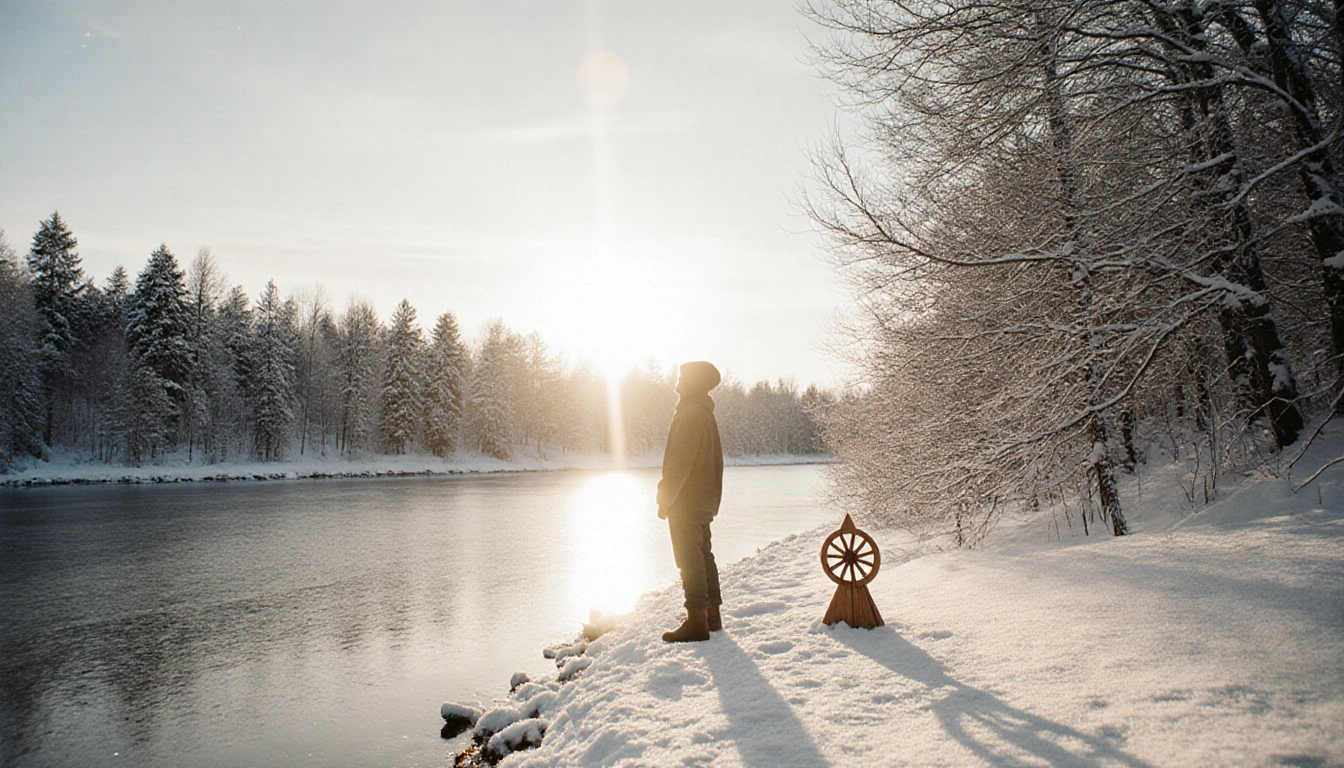
The darkest day of the year has arrived, but that signals a brighter future ahead.
Solstice: The Shortest Day North of the Equator
Sunday marks the shortest day of the year for regions north of the equator, as the solstice signals the start of astronomical winter. In the Southern Hemisphere the opposite occurs: the longest day of the year heralds the beginning of summer.
The Word “Solstice” and Its Origin
The term derives from the Latin words sol (sun) and stitium, meaning a pause or stop. A solstice ends the sun’s yearly march higher or lower in the sky, producing the winter solstice when the sun’s arc is at its shortest and lowest.
What Happens After the Winter Solstice
The good news for sun seekers is that the sun begins to climb again. Days will grow slightly longer each day until late June, gradually returning more daylight to the northern hemisphere.
Cultural Celebrations of Solstices
Humans have marked solstices for eons with festivals and monuments. Stonehenge, for example, was built to align with the sun’s paths during the solstices, demonstrating the long-standing significance of these astronomical events.
The Earth’s Tilt and Unequal Sunlight
As the Earth orbits the sun, it does so at an angle. This tilt causes the sun’s warmth and light to fall unevenly on the northern and southern halves of the planet for most of the year.
Solstices and the Maximum Tilt
During a solstice the Earth’s tilt toward or away from the sun reaches its maximum. This results in the hemispheres receiving very different amounts of sunlight, making days and nights the most unequal.
Winter Solstice Dates
At the northern winter solstice the upper half of the Earth leans farthest away from the sun, producing the shortest day and longest night of the year. The winter solstice can fall between December 20 and 23; this year it is December 21.
Summer Solstice Dates
The opposite occurs at the northern summer solstice: the upper half leans toward the sun, creating the longest day and shortest night. This solstice falls between June 20 and 22.
Equinox: Equal Day and Night
During an equinox the Earth’s axis and orbit align so that both hemispheres receive an equal amount of sunlight. The word equinox comes from Latin words meaning equal and night, reflecting the nearly equal lengths of day and night.
Equinox Dates
The northern fall (autumnal) equinox can land between September 21 and 24, while the spring (vernal) equinox falls between March 19 and 21.
Meteorological vs. Astronomical Seasons
Astronomical seasons depend on the Earth’s motion around the sun, whereas meteorological seasons are defined by weather patterns. Meteorologists divide the year into three-month seasons based on temperature cycles: spring begins March 1, summer June 1, fall September 1, and winter December 1.
Key Takeaways
- The shortest day of the year north of the equator is today, marking the start of astronomical winter.
- The winter solstice occurs between December 20 and 23; this year it is December 21.
- The equinox brings almost equal day and night, with fall equinox between September 21 and 24 and spring between March 19 and 21.
The solstice and equinox are more than calendar markers; they are reminders of the Earth’s tilt and orbit, shaping the rhythm of daylight and the seasons we experience.