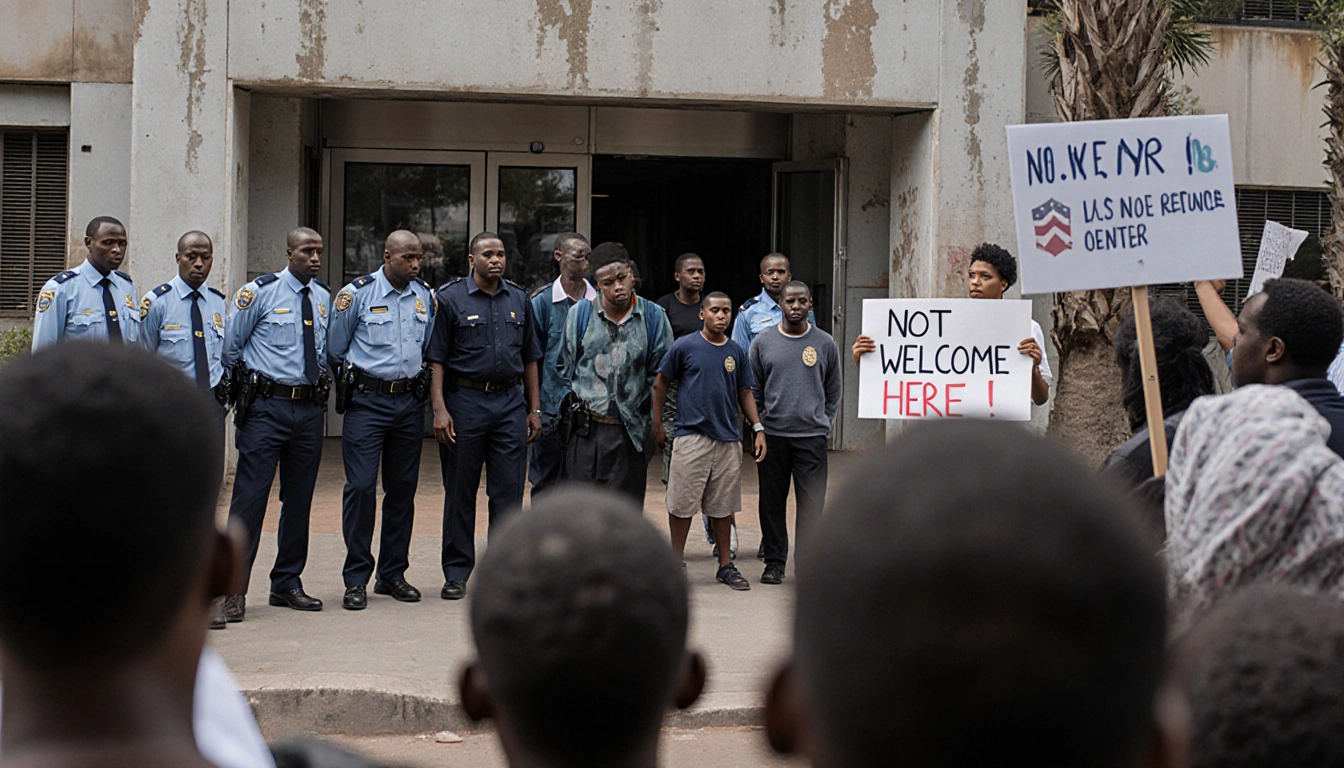
South African immigration authorities raided a United States refugee processing centre in Johannesburg, arresting seven Kenyans and issuing deportation orders – a move the U.S. has branded “unacceptable.”
The Raid and Immediate Outcomes
The raid took place on Tuesday at a site that handles applications from white South Africans who have been given priority for refugee status in the U.S. by the former Trump administration. Seven Kenyan nationals were detained on the grounds that they were working there illegally; the Home Affairs Ministry said they held tourist visas that do not permit employment. The Kenyans were given deportation orders and a five-year ban from entering South Africa.
No U.S. officials were arrested, and the ministry confirmed that the site was not a diplomatic mission. It added that U.S. officials’ work with the Kenyans “raises serious questions about intent and diplomatic protocol.”
Diplomatic Fallout and U.S. Reactions
U.S. State Department spokesperson Tommy Pigott called the interference in U.S. refugee operations “unacceptable,” and said the U.S. was seeking “immediate clarification from the South African government and expect full cooperation and accountability.”
The U.S. Embassy had previously stated that the U.S. government had contracted a Kenya-based company, RSC Africa, to process refugee applications by white South Africans. RSC Africa is operated by Church World Service, a U.S.-based nongovernmental organization that offers refugee assistance and works with the U.S. Refugee Admissions Program.
South Africa’s Foreign Ministry has begun “formal diplomatic engagements with both the United States and Kenya to resolve this matter,” according to the Home Affairs Ministry.
Context: U.S.-South Africa Tensions Over Afrikaner Refugees
The raid comes amid a broader deterioration in U.S.-South Africa relations. The Trump administration has repeatedly criticized South Africa, claiming without evidence that Afrikaners are being persecuted and that the country pursues an anti-U.S. foreign policy through ties with Palestinian authorities and Iran. President Donald Trump has also boycotted last month’s Group of 20 summit in South Africa and announced an executive order in February to halt aid to the country over what he called its “egregious actions.”
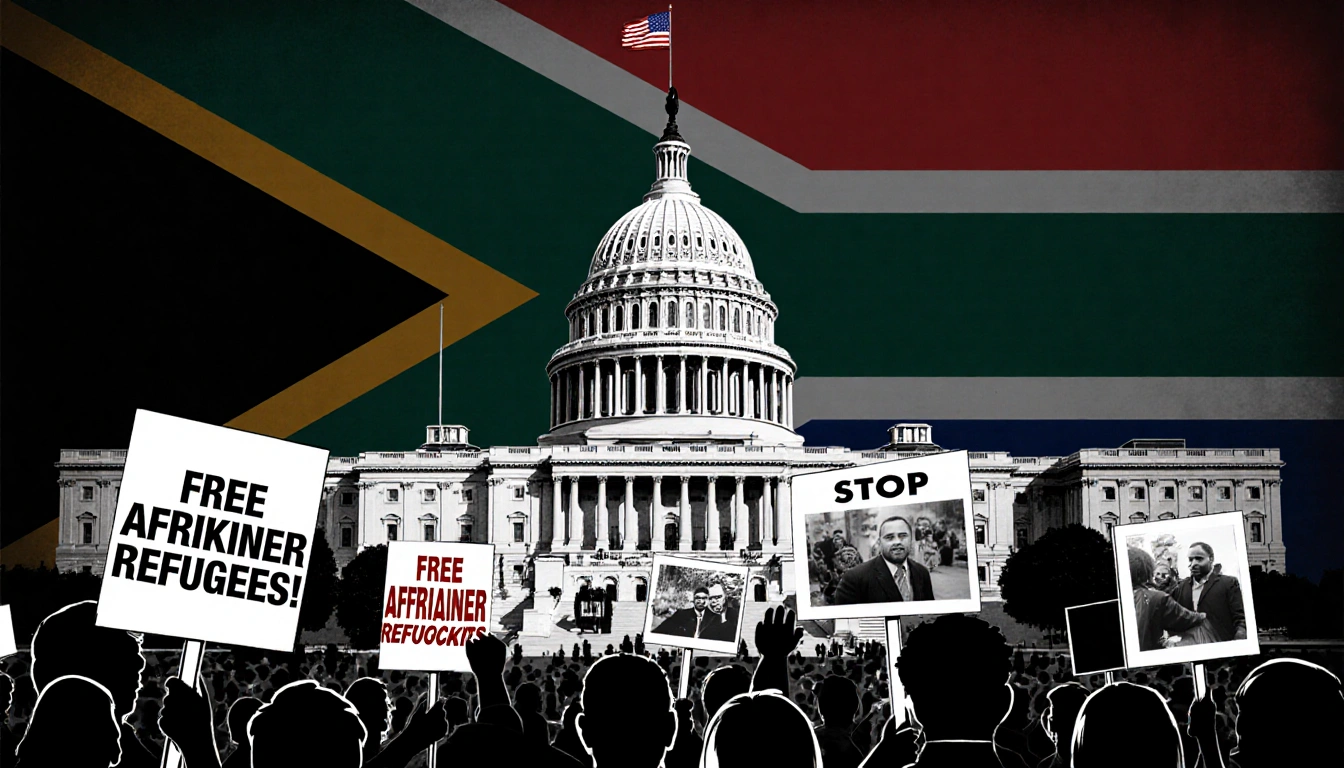
South Africa’s government denies the U.S. allegations, stating that white South Africans do not meet the criteria for refugee status because there is no persecution. The government also said it would not stop anyone from applying.
The Trump administration announced in October that it was dramatically cutting the annual U.S. refugee quota from 125,000 to 7,500, with white South Africans slated to receive the majority of those places. A first group of white South African refugees arrived in the U.S. under the new program in May, but the total number relocated since then remains unclear.
Key Takeaways
- Seven Kenyans working at a U.S. refugee processing centre in Johannesburg were arrested and deported.
- The U.S. State Department labelled the raid “unacceptable” and demanded clarification.
- The incident is part of escalating tensions between the U.S. and South Africa over the status of white South Africans seeking refugee protection.
The raid underscores the fragile diplomatic relationship between the two nations and highlights the complexities of refugee processing agreements involving third-country nationals.