
South Korea announced Friday that it will phase out all foreign adoptions, aiming for zero by 2029, as the United Nations expressed serious concern over the country’s handling of past adoptions. The decision follows a UN human rights office release that demanded concrete plans to address grievances of adoptees who were sent abroad with falsified records or suffered abuse at the hands of foreign parents. The move comes amid mounting pressure on Seoul to confront widespread fraud and abuse that plagued its adoption program, especially during the 1970s and 1980s when thousands of children were sent to the West each year.
Government Plan and Timeline
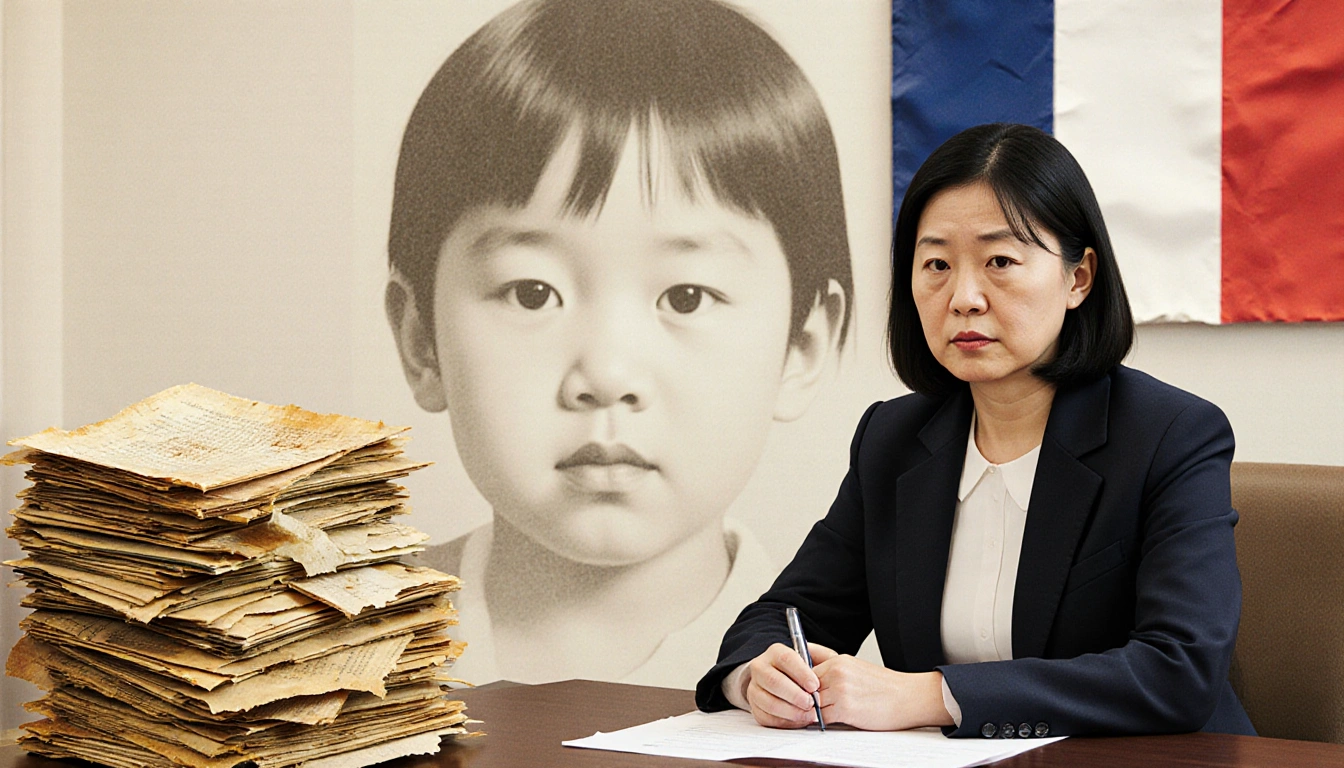
Vice Minister of Health and Welfare Lee Seuran told reporters that the government will end foreign adoptions over a five-year period. The plan, she said, tightens welfare policies for children in need of care and sets a deadline of 2029 for the last international placement. In 2025, South Korea approved foreign adoptions of only 24 children, a steep decline from about 2,000 in 2005 and an annual average of more than 6,000 during the 1980s.
UN Investigation and Concerns
UN investigators, including special rapporteurs on trafficking, enforced or involuntary disappearances and child abuse, raised the issue after months of communication with 52-year-old Yooree Kim. Kim was sent to a French family in 1984 without her biological parents’ consent, based on documents that falsely described her as an abandoned orphan. She endured severe physical and sexual abuse by her adopters and petitioned the UN as part of a broader effort to seek accountability from governments and adoption agencies in South Korea and France.
The investigators criticized Seoul for failing to give adoptees effective access to remedies for serious abuses and for possibly denying their rights to truth, reparations and memorialization. They also expressed concern over the suspension of a government fact-finding investigation into past adoption abuses and fraud, despite reports of grave violations that may amount to enforced disappearances.
South Korean Response and Future Legislation
In its reply, South Korea highlighted reforms aimed at preventing abuse, including a 2011 law that reinstated judicial oversight of foreign adoptions. That law ended decades of private-agency control and led to a significant drop in international placements. The government also cited recent steps to centralize adoption authority. However, officials said that further investigations and stronger reparations for victims would depend on future legislation. No new measures were announced to address the backlog of inaccurate or falsified records that block many adoptees from reconnecting with birth families or learning the truth about their origins.
Vice Minister Lee Seuran added, “Adoptions were mainly handled by private adoption agencies before, and while they presumably prioritized the best interests of the child, there may have also been other competing interests,” and “Now, with the adoption system being restructured into a public framework, and with the Health Ministry and the government having a larger role in the process for approving adoptions, we have an opportunity to reassess whether international adoption is truly a necessary option,”.
Human-rights lawyer Choi Jung Kyu, who represents Kim, called South Korea’s response “perfunctory.” He noted that promises of stronger reparations, intended to reduce the need for victims to litigate, are not clearly spelled out in draft bills proposing a relaunch of the Truth and Reconciliation Commission to investigate past human-rights abuses. The government also vetoed a bill in April that would have removed the statute of limitations for state-related human-rights violations, a measure that had been proposed before President Lee Jae Myung took office in June. Lee issued an apology in October over past adoption problems, as recommended by the truth commission.
Truth Commission Findings and Adoptee Petitions
Following a nearly three-year investigation into complaints from 367 adoptees in Europe, the United States and Australia, the truth commission in March recognized Kim and 55 other adoptees as victims of human-rights violations, including falsified child origins, lost records and child-protection failures. That recognition came weeks before the commission halted its adoption investigation after internal disputes among commissioners over which cases warranted recognition as problematic. The fate of the remaining 311 cases-either deferred or incompletely reviewed-hinges on whether lawmakers establish a new truth commission through legislation.
Historical Context of the Adoption Program
Seoul’s past military governments passed special laws promoting foreign adoptions, removed judicial oversight and granted vast powers to private agencies. Those agencies bypassed proper child relinquishment procedures while shipping thousands of children overseas each year. Western nations largely ignored the abuses and sometimes pressured South Korea to maintain the supply to meet their high demand for babies.
Key Takeaways
- South Korea plans to end foreign adoptions by 2029, with a five-year phase-out.
- UN investigators criticize Seoul for inadequate remedies and halted fact-finding on past abuses.
- A truth commission has recognized dozens of adoptees as victims, but many cases remain unresolved pending new legislation.
The decision marks a significant shift in South Korea’s adoption policy, but critics say that without concrete reparations and a robust truth-finding mechanism, adoptees may continue to face barriers in accessing the truth about their origins and securing justice for past wrongs.