At a Glance
- South Korea pledges to retire most coal plants by 2040 and cut emissions 53-61% of 2018 levels by 2035.
- The country is negotiating a U.S. LNG trade deal that could add 3-9 million tons of gas per year.
- Climate activists warn the deal risks undermining Korea’s clean-energy goals.
- Why it matters: The clash between Seoul’s climate promises and its LNG imports could shape Asia’s energy future.
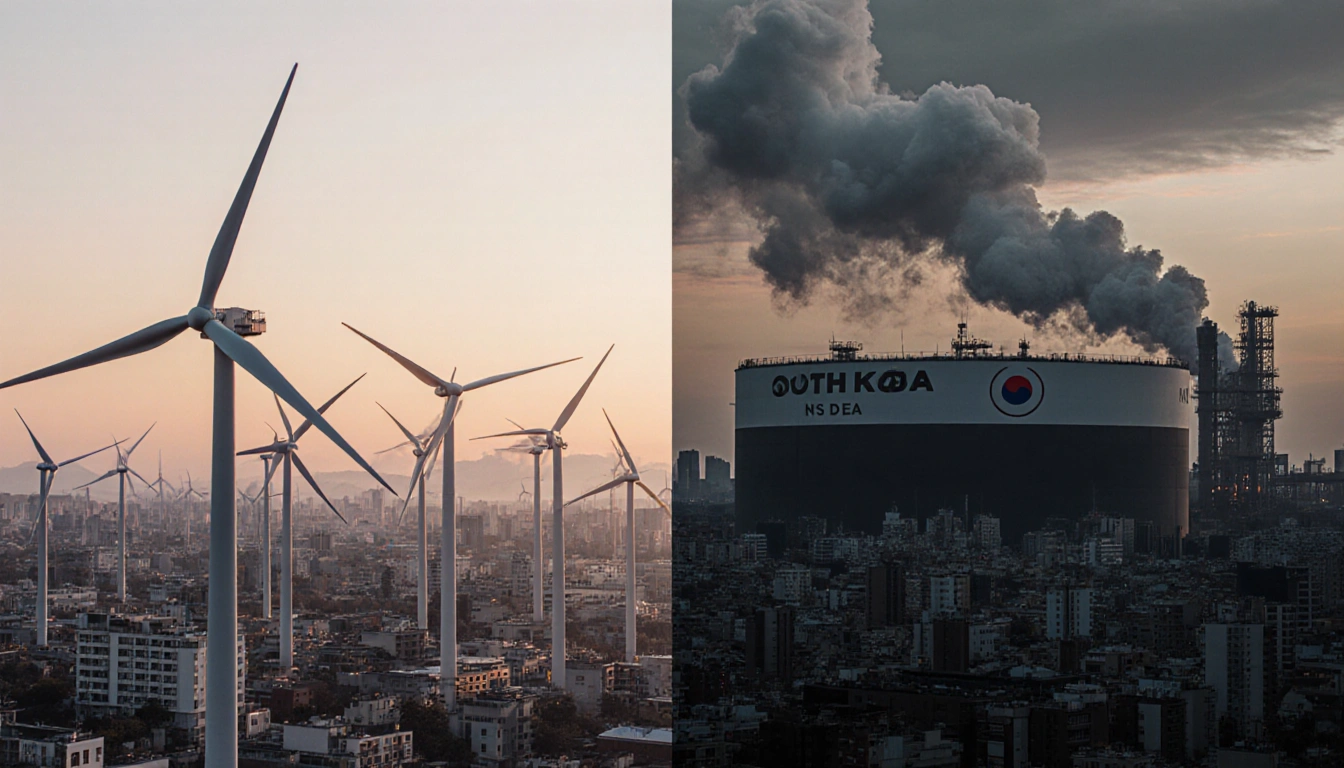
South Korea’s new climate ministry has set ambitious targets to slash coal use and carbon emissions, yet its trade talks with the United States may offset those gains. The proposed LNG agreement could increase fossil-fuel imports, sparking debate among environmental groups and industry analysts. The stakes are high as the nation seeks to balance economic growth with global climate commitments.
Climate Commitments and Coal Exit
At the UN climate talks, the Ministry of Climate, Energy and Environment announced plans to retire 40 of 61 coal sites by 2040 and to reduce emissions by 53-61% of 2018 levels by 2035. These goals place Korea among the world’s largest coal-importing nations, making the transition a significant policy shift.
- The U.S. LNG deal could involve:
- $350 billion investment in U.S. projects
- $100 billion purchase of U.S. energy products
- 3-10 year duration
- 3-9 million tons of LNG per year
Kim Sung-hwan said:
> ‘As the global temperature rises, we all need to responsibly take climate action and Korea will have a stronger sense of responsibility in tackling the climate crisis.’
Joojin Kim said:
> ‘This range presents an effort by the government to accommodate two very different ways of thinking about the economic and climate future of the nation.’
Insung Lee said:
> ‘If we just replace coal plants with LNG, that means the coal exit actually doesn’t lead to a green transition and merely shifts Korea’s addiction from coal to gas, which undermines the whole spirit of climate action.’
U.S. LNG Deal and Energy Mix
The trade negotiations aim to boost South Korea’s LNG imports, which accounted for nearly a fifth of the country’s energy supply last year. The government’s target is to reduce that share to 10.6% by 2038.
- LNG as a complementary or emergency source
- 4 GW offshore wind goal
- 31% nuclear share
Kim Sung-hwan said:
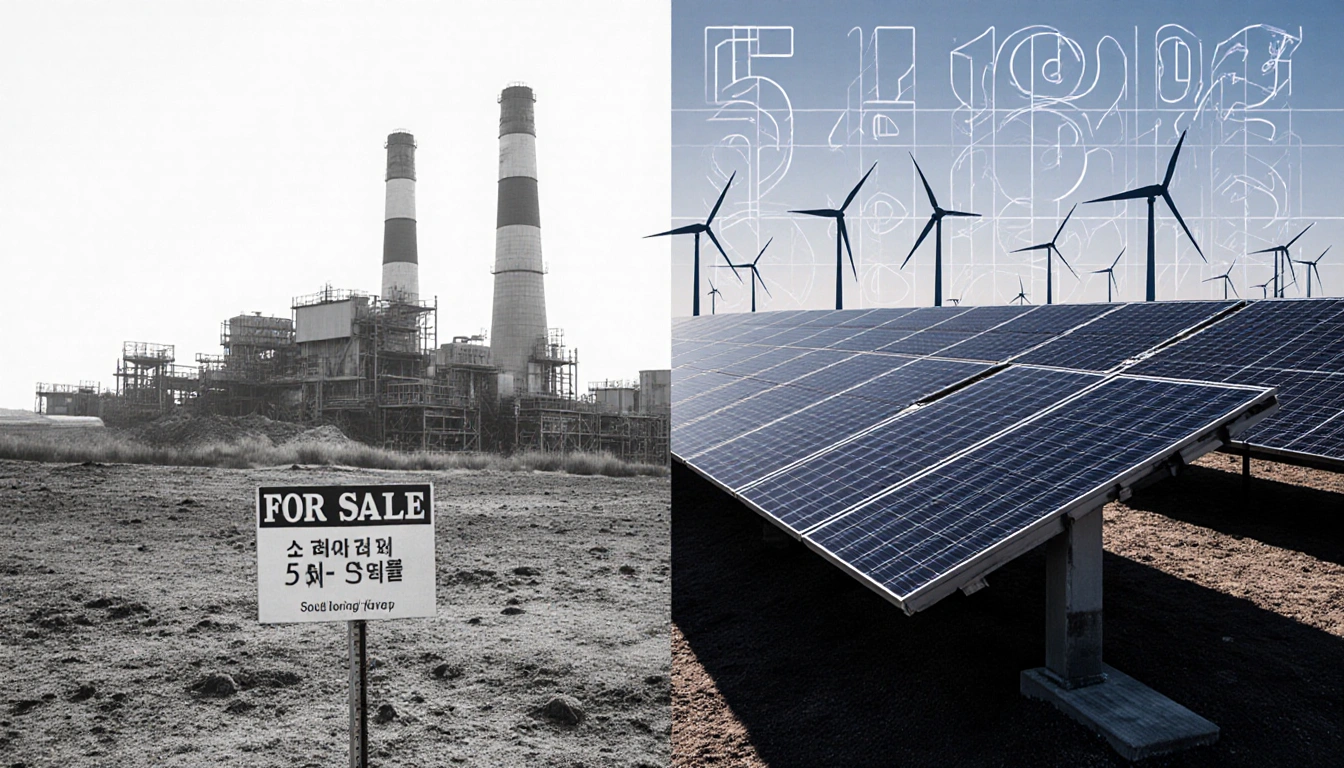
> ‘We will transition into a new energy system that focuses on renewables and nuclear, while phasing out coal. We will use LNG as a complementary or emergency energy source to make up for irregularities in renewable energy supplies.’
Michelle Kim said:
> ‘South Korean companies that don’t cut back on carbon emissions may find that to be a competitive disadvantage.’
Bruce Douglas said:
> ‘That’s mainly a symbolic move, but it signifies very clear government intention to move away from fossil fuels and towards clean power.’
James Bowen said:
> ‘The pledge to retire 40 of South Korea’s 61 coal sites by 2040 may be “an enforced transition” for coal exporters in the Asia-Pacific region … It’s a reality that they’re going to have to face this downturn in the market.’
| Country | Renewable % 2022 |
|---|---|
| South Korea | 7% |
| Japan | 21% |
| Spain | 42% |
Renewable energy generated 7% of South Korea’s domestic power in 2022, compared with 21% in Japan and 42% in Spain.
Key Takeaways
- Korea aims to retire most coal plants by 2040 and cut emissions 53-61% by 2035.
- A U.S. LNG deal could add 3-9 million tons of gas annually, potentially offsetting clean-energy gains.
- Environmental groups warn that increased LNG imports may lock Korea into a fossil-fuel-dependent future.
As Seoul negotiates its LNG partnership, the country’s climate trajectory hangs in the balance, highlighting the tension between energy security and global climate commitments.