
At a Glance
- South Yemen’s separatists announce a 30-article constitution for an independent state.
- UAE pulls all troops from Yemen amid rising tensions.
- Saudi warplanes strike STC camps in Hadramout, escalating conflict.
- Why it matters: The moves threaten to split the Saudi-led coalition and could ignite a new front in Yemen’s civil war.
In a dramatic turn, the Southern Transitional Council declared a constitution for a new South Arabian state, while the United Arab Emirates withdrew all its forces from Yemen. Saudi Arabia responded with airstrikes on STC positions, raising fears of a split within the coalition that has been fighting Houthi rebels for years.
South Yemen Declares Independence
The STC unveiled a 30-article constitution that would govern the State of South Arabia for two years before a referendum on self-determination. The council called for dialogue between northern and southern parties during that period. It also warned that if other factions refuse to agree or take military action, all options remain open.
- 30-article constitution
- Two-year governance period
- Referendum on self-determination
Aidarous al-Zubaid stated:
> “The constitution would be in effect for two years, after which a referendum would be held on the right to self-determination for the people of the South. During those two years, the relevant parties should hold a dialogue on a path and mechanisms that guarantee the right of the people of the South.”
Aidarous al-Zubaid also added:
> “If the other factions do not agree or take military action, all options remain open.”
Saudi Airstrikes Intensify Conflict
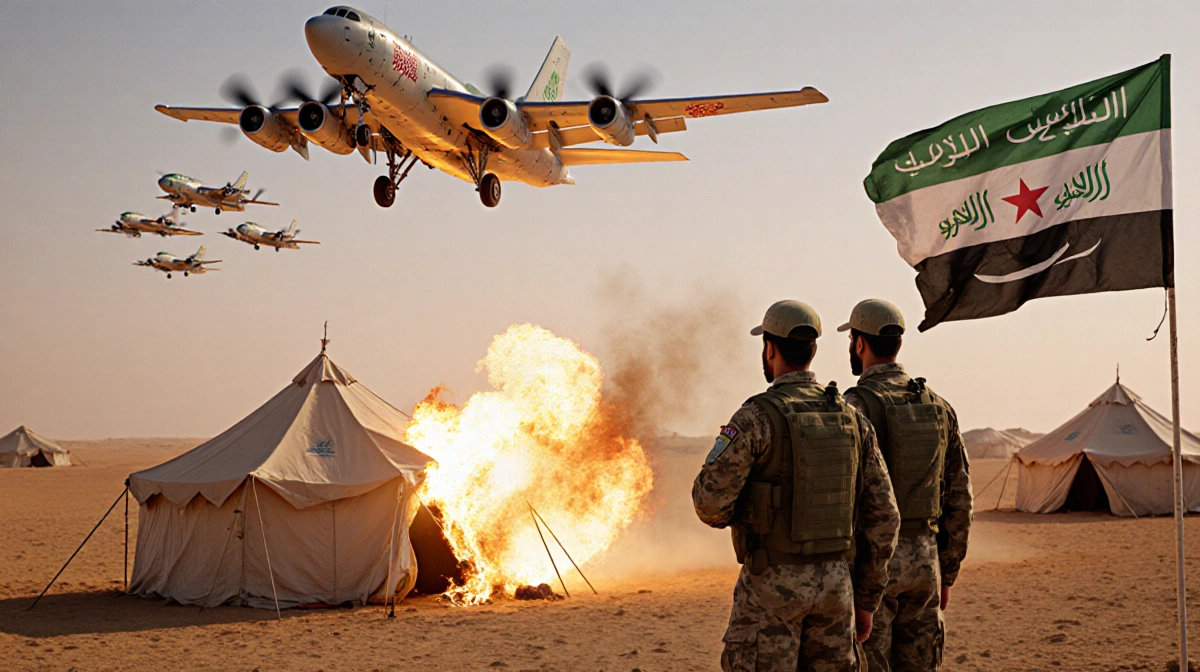
Saudi-backed National Shield Forces advanced on two STC camps in Hadramout, but the separatists refused to withdraw. In response, Saudi warplanes struck the camps, causing casualties according to STC sources. The escalation has drawn criticism from both sides.
- National Shield Forces advance
- STC camps targeted
- Casualties reported
Mohamed al-Nakib said:
> “The strikes caused fatalities, without providing details.”
Ahmed bin Breik noted:
> “The separatist forces refused to withdraw and in response, Saudi planes struck the camps.”
Salem al-Khanbashi commented:
> “The move to reclaim the camps was ‘not a declaration of war and is not seeking an escalation.’ It was a ‘pre-emptive measure to remove weapons.'”
UAE Withdraws Troops
The UAE Defense Ministry announced the complete withdrawal of its troops from Yemen, citing the conclusion of counter-terrorism missions. The move was framed as a step toward de-escalation and regional stability. The withdrawal follows the UAE’s earlier pledge to exit after the confrontation.
UAE Defense Ministry stated:
> “The UAE forces follows the implementation of a previously announced decision to conclude the remaining missions of counterterrorism units. The process has been conducted in a manner that ensured the safety of all personnel and carried out in coordination with all relevant partners.”
Mohammed al-Jaber added:
> “The kingdom had tried ‘all efforts with STC’ for weeks ‘to stop the escalation’ and to urge the separatists to leave Hadramout and Mahra, only to be faced with ‘continued intransigence and rejection from Aidarous al-Zubaidi.'”
Key Takeaways
- STC’s constitution marks a bold step toward southern independence.
- Saudi airstrikes on STC camps heighten intra-coalition tensions.
- UAE’s troop withdrawal signals a shift in Gulf involvement.
With the UAE pulling out and Saudi airpower targeting the separatists, Yemen’s fragile coalition faces a critical test as the south pushes for independence.