At a Glance
- Hawaii will add a 0.75% daily room rate tax to help climate resilience.
- Utah requires ID checks for all patrons and will stripe licenses red for DUI offenders.
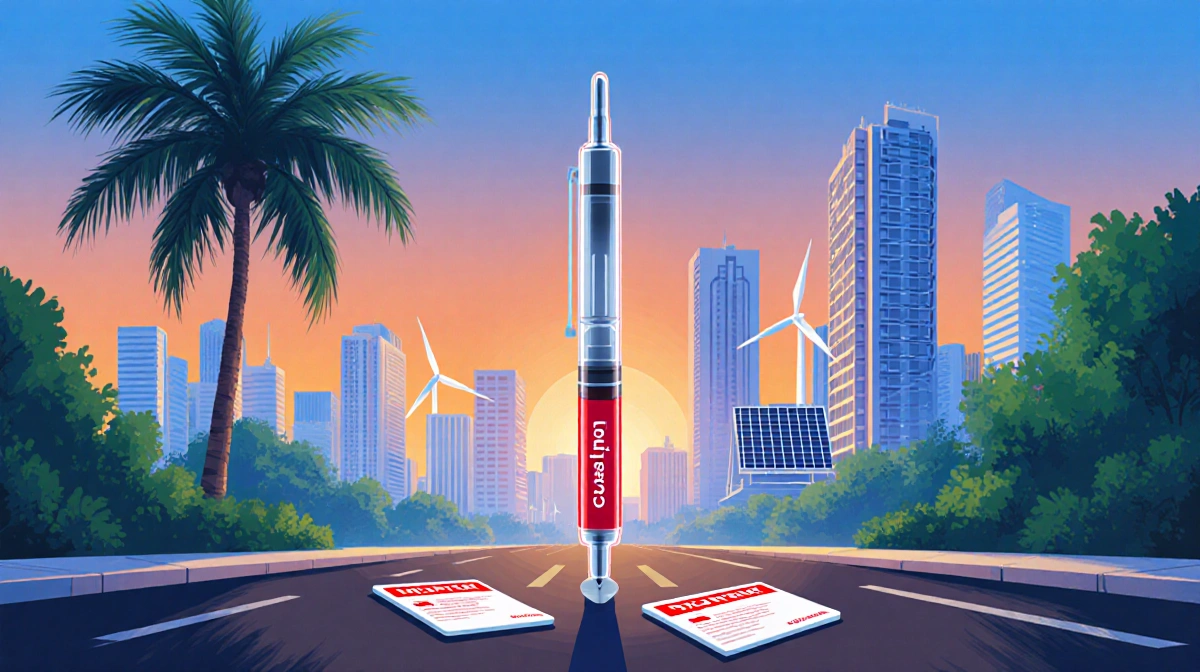
- California will sell insulin under the CalRx brand at $11 per pen.
- Why it matters: These laws show states using new tools to address climate, health, and safety.
Tourists heading to Hawaii may soon see a new fee on their hotel bill, while Utah residents might notice a red stripe on their driver’s license.
Hawaii’s Climate-Focused Tourism Tax
Hawaii’s legislature added a 0.75% daily room-rate tax, called the Green Fee, to generate about $100 million a year for projects like replenishing eroding beaches and removing invasive grasses. Gov. Josh Green said the state cannot wait for the next disaster to act and must build resiliency now.
- 0.75% daily room-rate tax
- $100 million projected annual revenue
- Funds for beach sand replenishment and invasive-grass removal
Utah’s Red-Striped IDs for Alcohol-Restricted Drivers
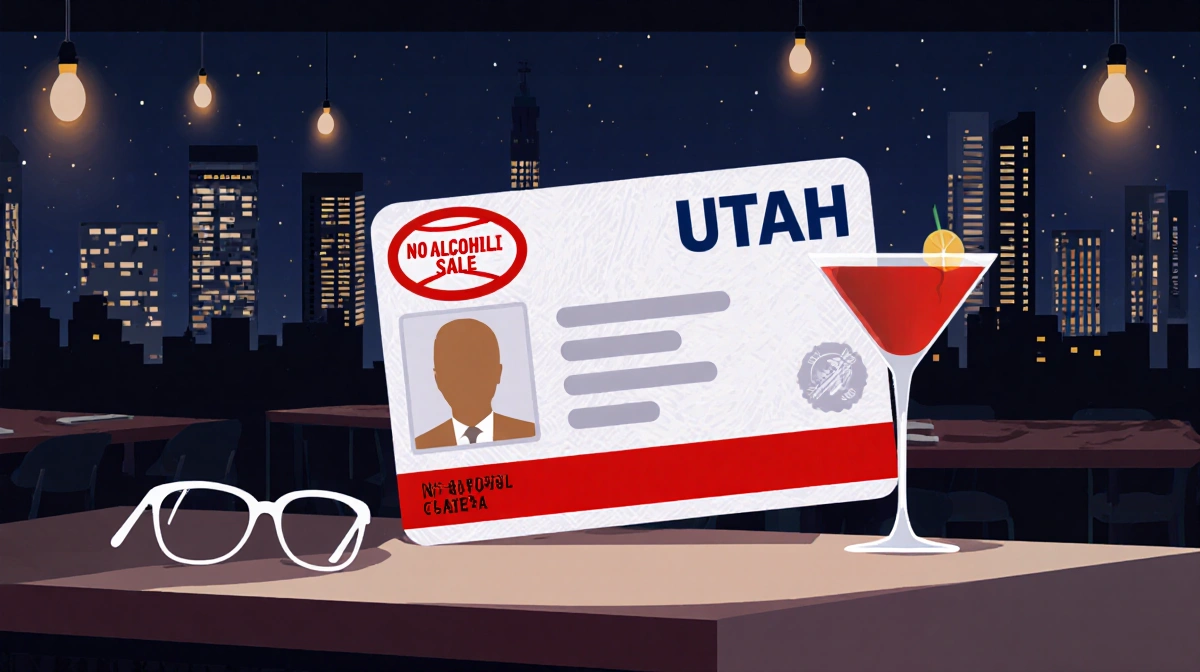
Utah now requires all bars and restaurants to check IDs for every customer, regardless of age. Drivers convicted of “extreme” DUI (BAC ≥ 0.16% or other factors) must surrender their license; a replacement will feature a red stripe and the words “No Alcohol Sale.” Judges may impose the restriction for lesser offenses, and anyone can voluntarily obtain a red-striped ID.
Republican state Rep. Steve Eliason stated:
> “While this isn’t completely bulletproof in terms of ensuring that somebody that’s alcohol-restricted isn’t going to drink, it just makes it more difficult for them.”
- Extreme DUI definition: BAC ≥ 0.16% or other factors
- Red stripe with “No Alcohol Sale” on replacement ID
- Voluntary red-striped ID available
California’s State-Branded Insulin
California will sell affordable insulin under its own CalRx brand, with a recommended price of $11 per pen or a maximum of $55 for a five-pack. Gov. Gavin Newsom also signed legislation that requires large insurers to cap insulin copayments at $35 per month.
- CalRx insulin pens: $11 each, $55 for five-pack
- Copay cap: $35 per month for large insurers
Wages Rise and Patriotic Plates
Washington’s statewide minimum wage will jump to $17.13 an hour, the first state to exceed $17; other states see rates of $16.94 in Connecticut and $16.90 in California. Seattle will pay $21.30 an hour and Tukwila $21.65. Georgia has introduced an “America First” license plate that costs $90 the first year and $55 to renew.
| State | Minimum Wage (hour) |
|---|---|
| Washington | $17.13 |
| Connecticut | $16.94 |
| California | $16.90 |
| Seattle | $21.30 |
| Tukwila | $21.65 |
Republican state Sen. Steve Gooch said:
> “No other state has passed it.”
> “I predict other states will copy our legislation next year.”
- Georgia’s “America First” plate: $90 first year, $55 renewal
- Other states offering patriotic plates for Independence Day
Key Takeaways
- Hawaii’s Green Fee will raise $100 million annually for climate resilience.
- Utah’s new ID rule adds a red stripe for DUI offenders and requires ID checks for all patrons.
- California’s CalRx insulin offers a low-cost alternative and caps copays.
- Washington’s minimum wage will top $17, while Georgia’s new plate adds a patriotic element.
These state moves illustrate how lawmakers are using taxes, licensing, and pricing to tackle climate change, public health, and safety concerns.
Julia N. Fairmont reported from Jefferson City, Missouri. News Of Austin writers Jeff Amy in Atlanta; Matthew Brown in Billings, Montana; Jennifer Kelleher in Honolulu; and Trân Nguyễn in Sacramento, California, contributed to this report.