At a Glance
- winter storm is heading for North Texas, bringing heavy snow, sleet, and ice.
- Power outages could occur if ice weighs down lines or trees.
- Residents are urged to prepare by charging devices, keeping food cold, and following safety tips.
- Why it matters: Loss of power and heat could endanger health and safety during the cold snap.
The North Texas region is bracing for a significant winter storm that is expected to arrive on Friday and linger through Sunday morning. The cold front will bring moderate to heavy accumulations of snow, sleet, and ice, and the state grid operator, ERCOT, says conditions should remain normal but warns that power outages are still a possibility.
Winter Storm Outlook
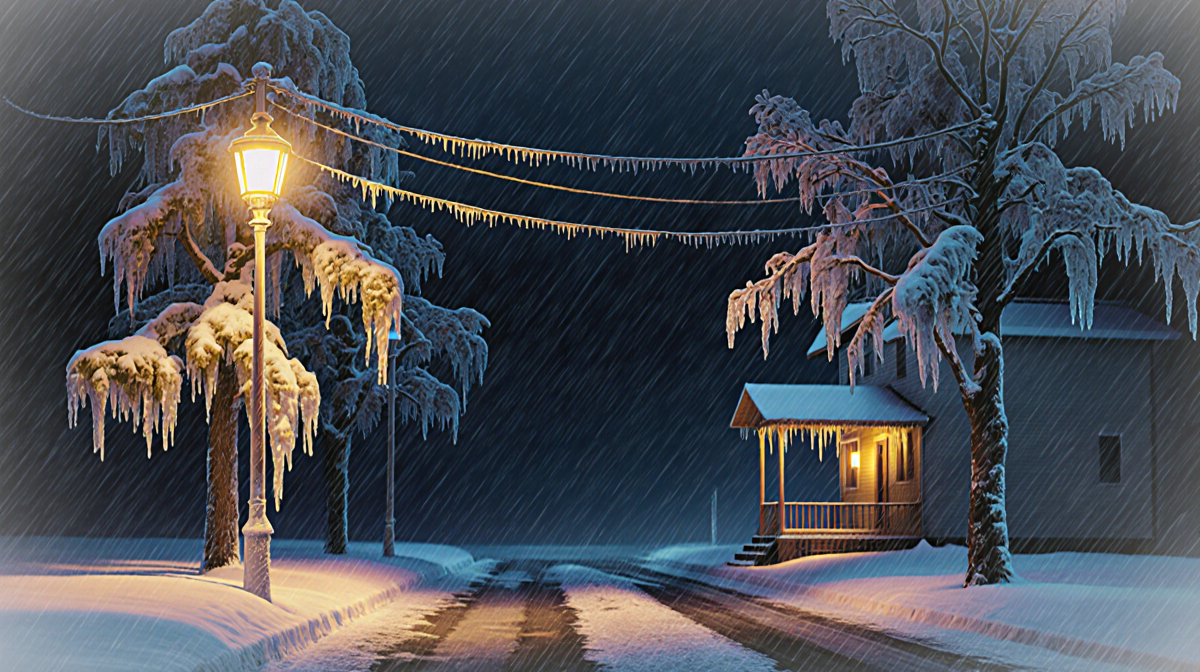
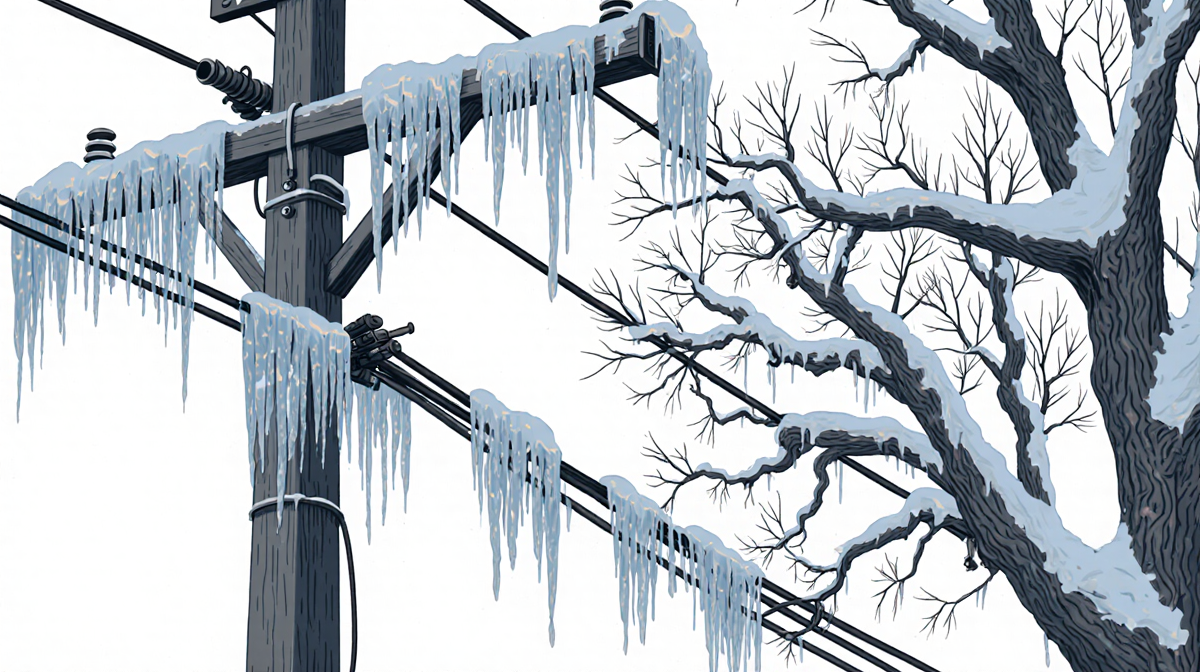
The storm’s arrival will be marked by a surge in precipitation. Ice can accumulate on power lines and weigh down tree limbs, potentially bringing down lines and causing mass outages. ERCOT’s statement that grid conditions will stay normal is reassuring, yet it acknowledges that outages are still a realistic risk.
Potential Power Outages
Power outages can arise from several factors:
- Ice on lines and trees.
- Overloaded or damaged infrastructure.
- Extreme weather stresses.
Oncor, the regional electric distributor, has advised residents to use surge protectors or unplug electrical equipment when power is restored to avoid damage from potential surges.
Preparing for Power Loss
Residents can take a number of practical steps to stay safe and comfortable if the power goes out:
- Download the free News Of Austin app to stay updated on changing weather conditions.
- Keep phones and devices plugged in and fully charged; charge backup batteries.
- Store a working flashlight and a blanket nearby.
- Keep freezers and refrigerators closed. Ready.gov says a refrigerator can keep food cold for about four hours. A full freezer can keep its temperature for about 48 hours if it’s fully stocked.
- Freeze bottles of water before an outage to take up space if your freezer isn’t full.
- Keep a thermometer in the fridge, freezer, or cooler to monitor food temperature. The USDA says the temperature in a fridge should stay at or below 40 degrees Fahrenheit.
- Do not use a gas stove or oven to heat your home.
- Follow the manufacturer’s instructions if using a generator. The Consumer Product Safety Commission explains that portable generators must never operate inside a home or garage; opening doors or windows does not provide enough ventilation to prevent carbon monoxide (CO) poisoning. CO has no odor, so you won’t be able to smell a buildup of dangerous CO levels.
- If you park your vehicle inside a garage, ensure the garage door opener has a battery backup to avoid getting stuck.
## Staying Warm During an Outage
The National Weather Service in Fort Worth offers several tips to keep warm:
- Close blinds or curtains to trap heat inside.
- Close rooms to avoid wasting heat.
- Stuff towels or rags in cracks under doors.
- Eat and drink. Food can warm the body, but avoid caffeine and alcohol.
- Wear layers of loose-fitting, lightweight, warm clothing.
Winterizing Your Home
Before the cold hits, replace worn weatherstripping on doors and windows to ensure a good seal. Most modern windows are sealed inside the frame, but older windows may have a glaze that can crack and need replacing. The glaze must be applied above a certain temperature and cured over time-this maintenance is ideally done in the spring or fall. Check gutters to ensure they are clear and allow water to flow freely to the downspout; blocked gutters can lead to water entering the home.
The Texas Department of Insurance recommends trimming trees away from power lines, homes, and cars, and checking insulation levels in attics.
Protecting Your Pipes
Insulate outdoor faucets, and if the cold snap is prolonged, leave inside faucets on external walls dripping overnight so they don’t freeze. Use a sponge or towel in the sink to silently catch each drop. If you’re leaving town for a few days, leave cabinet doors open so that pipes on external walls are more exposed to heat. For external faucets, disconnect hoses and insulate the valves. Wrapping valves with towels is not the best long-term solution; most hardware stores sell inexpensive exterior faucet covers made of foam that attach quickly and protect the pipe from freezing.
If a pipe freezes, keep the faucet open so water can flow when it melts. Know where your main water valve is located and how to turn it off in case a pipe bursts.
Bringing in Your Pets
Pets that normally live or sleep outdoors can suffer from cold, hypothermia, and pneumonia. The SPCA of Texas says if you’re cold outside, odds are your pet is cold too. Bring pets inside and ensure other outdoor animals have appropriate shelter-dry, well insulated-to protect them from frigid temperatures and possible death.
Protecting Your Plants
Perennial potted plants should be brought indoors. Plants that cannot be brought inside need to be covered. Delicate plants can be covered with sheets, blankets, or landscaping frost blankets to trap heat. During extreme cold, multiple frost blankets may be used. For plants left outside a day or two before a freeze, the Dallas Arboretum recommends watering the soil only by hand, keeping the foliage dry to insulate the plant’s roots. The Texas A&M AgriLife Extension offers more tips on protecting plants from frosts and freezes and on planting for the winter.
Turning Off Your Sprinkler System
To avoid water running on streets where it can freeze and be dangerous for passing cars, turn off your irrigation system. Also, prevent broken pipes or valves that may come with a system that has not been winterized. The city of Fort Worth recommends turning off timers and back-flow devices, even if you have freeze or rain sensors installed, and draining the main line. Insulate any above-ground pipes.
HVAC and Other Systems
Change or clean air filters every three months or each season. Check ductwork for holes-whether from vibration or rodents-to ensure uninterrupted airflow. If part of your HVAC is in the attic, it may attract rats, mice, and squirrels that build nests.
Even if you have a freeze protector for your pool, look at the pump daily to ensure it’s moving water through pipes. Those pipes can burst if they freeze.
Batteries and Backup Power
Keep fresh batteries for flashlights during a power outage. If you didn’t replace batteries in your smoke and carbon monoxide detectors during daylight saving time, now is a good time to do so. Ensure your phone is charged and consider a backup battery or power source to recharge your phone.
Key Takeaways
- The winter storm could bring heavy ice that stresses power lines.
- Residents should prepare by keeping devices charged, food cold, and following safety guidelines.
- Protecting homes, pipes, pets, and plants reduces risks during the cold snap.
- Stay informed via the News Of Austin app and local weather alerts.
Stay safe and stay warm during the upcoming winter storm.