
At a Glance
- Major tech firms are pivoting away from phones and VR toward smart glasses.
- Meta has cut 1,500 Reality Labs jobs and shelved VR studios.
- Apple plans two new smart-glasses lines, one with a screen and one without.
- Why it matters: The shift could reshape the future of consumer hardware.
Meta and the smart-glasses boom
The tech world is buzzing about a new wave of smart-glasses devices. The trend is being driven by a handful of big players-Meta, Google, Lenovo, TCL, and Apple-each moving faster than the last. In the past year, Meta has shifted its focus from virtual reality (VR) to the glasses market, showcasing its Ray-Ban-Meta AI glasses and Oakley-branded smart glasses at its annual Meta Connect event.
Phones out, glasses in
One of the most surprising moves comes from Asus, which announced it will stop releasing new phones in 2026. Asus’ chairman, Jonney Shih, told a recent event that the company is “shifting to new categories like AI glasses.” The decision signals a broader trend of companies willing to abandon established hardware lines for the promise of a new frontier.
Meta’s pivot and its costs
Meta’s shift has come at a price. The company recently laid off about 1,500 workers in its Reality Labs division and shuttered nearly every first-party VR studio it owned. The layoffs and studio closures illustrate how seriously Meta is treating the smart-glasses opportunity.
Apple’s quiet strategy
Apple is also making a quiet but significant pivot. Bloomberg reported that Apple shelved plans for a lighter, less expensive Vision Pro headset to focus on smart-glasses. Apple’s strategy will involve two pairs of glasses: one with a screen and one without. Those gadgets could start coming out as next year.
Other players in the race
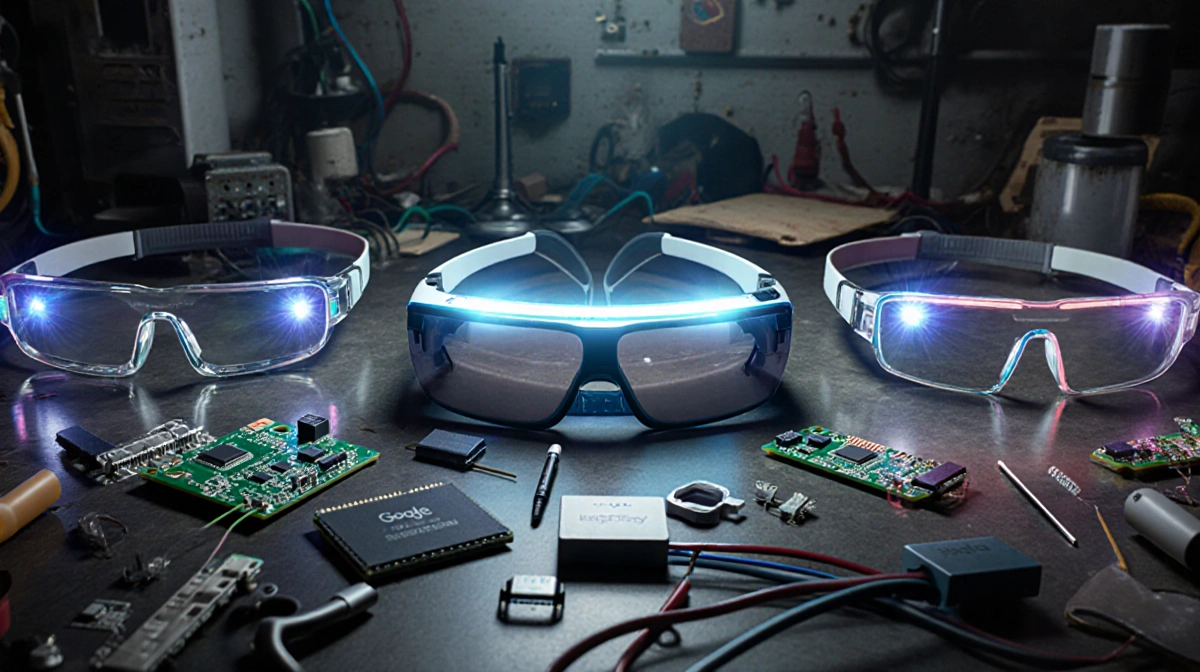
Google, Lenovo, and TCL are also in various stages of entering the smart-glasses field. While the original article does not detail each company’s exact plans, it notes that they are all “in various stages of entering the field.”
Implications for other categories
The moves away from phones and VR raise questions about the future of those categories. Asus’s departure from phones could hinder innovation in that space, even if its ROG line isn’t the most popular. Similarly, Meta’s exit from VR could reduce momentum in a field that has already seen significant investment.
Potential benefits of the shift
Proponents argue that smart glasses represent a new frontier with the potential to change how we interact with technology. The glasses market is still unproven, but the hype and investment suggest that companies are betting on a big “if” that could pay off.
A quick comparison of the major players
| Company | Current Focus | Recent Moves | Key Numbers |
|---|---|---|---|
| Meta | Smart glasses, VR | Laid off 1,500 Reality Labs workers, closed VR studios | 1,500 |
| Asus | Phones, smart glasses | Ceasing phone releases in 2026 | 2026 |
| Apple | Smart glasses | Shelved Vision Pro, plans two new glasses | 3,500 (Vision Pro price) |
| Smart glasses | Entering the field | – | |
| Lenovo | Smart glasses | Entering the field | – |
| TCL | Smart glasses | Entering the field | – |
Key takeaways
- Smart-glasses are becoming the new battleground for tech giants.
- Major shifts include Asus dropping phones, Meta cutting VR jobs, and Apple shelving a headset.
- The long-term impact on phones and VR remains uncertain.
- The market is still speculative, but the investment signals strong belief in the potential of glasses.
The future of consumer hardware may hinge on how quickly these companies can turn their glass-based ideas into mass-market products. As the trend gains momentum, the tech industry will be watching closely to see which brand can deliver the next big thing.