Introduction
The U.S. military carried out a deadly strike on a vessel accused of trafficking drugs in the eastern Pacific on Jan. 23, 2026. The attack, the first since the raid that captured Venezuelan President Nicolás Maduro earlier that month, killed two people and left one survivor. The incident highlights the U.S. effort to disrupt maritime drug routes linked to Venezuela.
At a Glance
- U.S. military destroys drug-smuggling vessel on Jan. 23, 2026.
- Two fatalities, one survivor rescued.
- First strike since Maduro’s capture on Jan. 3, 2026.
- Why it matters: It signals intensified U.S. pressure on Venezuelan-linked smuggling networks.
The Strike
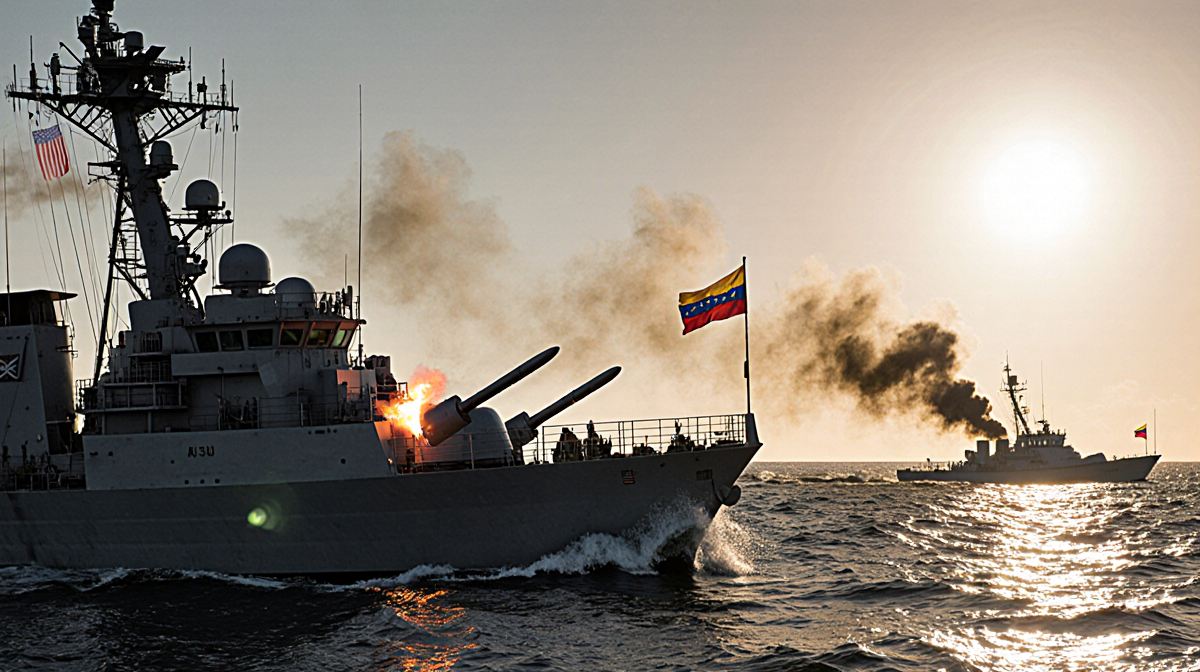
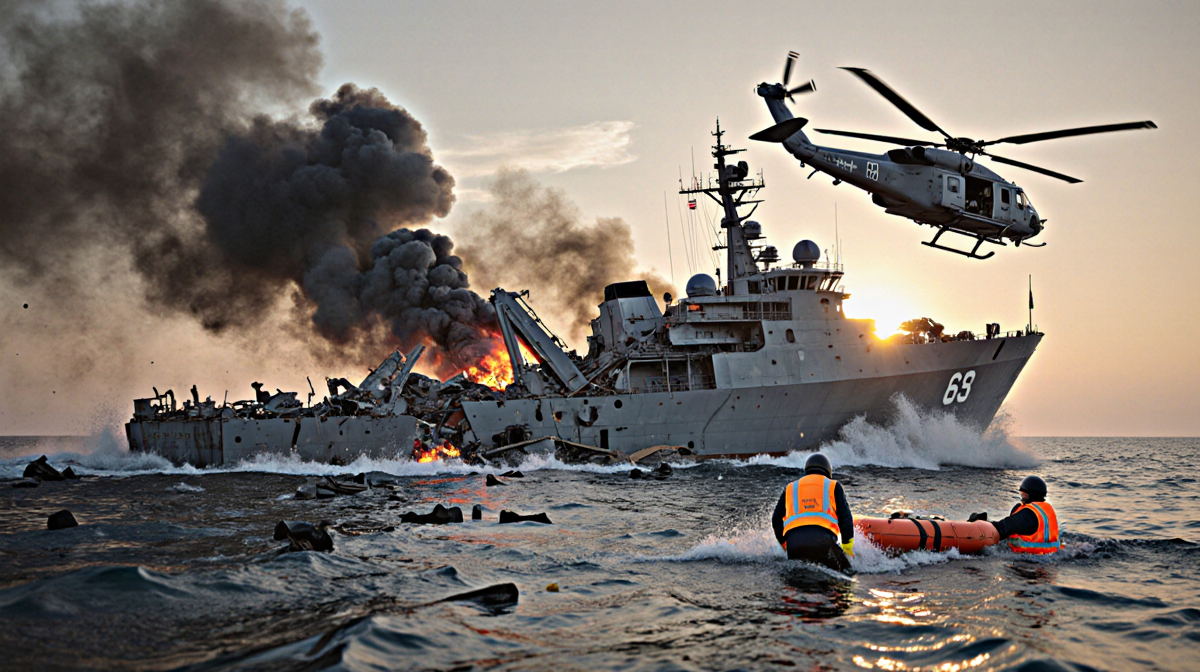
The vessel, identified by the U.S. Southern Command as “engaged in narco-trafficking operations,” exploded after a missile strike. A video released by the command shows the boat moving through calm waters before the blast.
- Fatalities: Two people were killed.
- Injuries: One survivor was wounded and subsequently rescued.
- Response: The command notified the Coast Guard to launch search and rescue operations.
According to Hannah E. Clearwater, the U.S. Southern Command posted the video on social media, describing the boat’s activities and the outcome of the strike.
Prior Operations
The U.S. military’s focus on Venezuelan-linked smuggling intensified after the raid on Caracas that captured Maduro and his wife. The raid, described by the U.S. as a “large-scale strike,” led to their transport to New York for federal drug-trafficking charges.
In late December, the U.S. struck five alleged drug-smuggling boats over two days. The attacks killed a total of eight people, while others jumped overboard. The Coast Guard later suspended its search operations.
Timeline of Recent Actions
| Date | Event |
|---|---|
| Jan. 3, 2026 | Capture of Nicolás Maduro and his wife in Caracas raid |
| Late December 2025 | Five drug-smuggling boats struck; eight fatalities |
| Jan. 23, 2026 | Strike on eastern Pacific vessel; two dead, one survivor |
Political Reactions
Venezuelan President Nicolás Maduro, before his capture, characterized U.S. operations as a “thinly veiled effort to oust him from power.” His statement underscores the political dimension of the U.S. maritime campaign.
U.S. President Donald Trump has repeatedly emphasized the impact of these strikes. In remarks at the World Economic Forum in Davos, he stated, “We’ve stopped – virtually stopped almost 100% of all drugs coming in by water.”
The U.S. Southern Command’s social-media post echoed Trump’s sentiment, noting the vessel’s involvement in drug trafficking and the successful neutralization of the threat.
Broader Context
The U.S. has targeted sanctioned oil tankers with ties to Venezuela since the Trump administration’s raid on Maduro. These actions aim to cut off financial and logistical support for drug-smuggling operations.
The latest strike follows a pattern of aggressive maritime enforcement. By striking vessels in international waters, the U.S. signals its willingness to intervene directly in drug-trafficking routes that bypass traditional law-enforcement channels.
Key Points
- The U.S. Southern Command confirmed the vessel’s role in drug trafficking.
- The strike resulted in two deaths and one survivor, who was rescued by the Coast Guard.
- This attack follows a series of maritime strikes, including the capture of Maduro and earlier boat attacks in December.
- U.S. officials claim the strikes have effectively halted most water-borne drug shipments.
Key Takeaways
- The U.S. military’s aggressive stance against Venezuelan-linked smuggling is intensifying.
- The strike on Jan. 23, 2026 demonstrates the U.S. capability to neutralize maritime threats.
- Political leaders on both sides are framing the conflict as a battle over power and control of drug routes.
- Continued enforcement may reshape the dynamics of drug trafficking in the Caribbean and eastern Pacific.
—
Source: Hannah E. Clearwater via News Of Austin