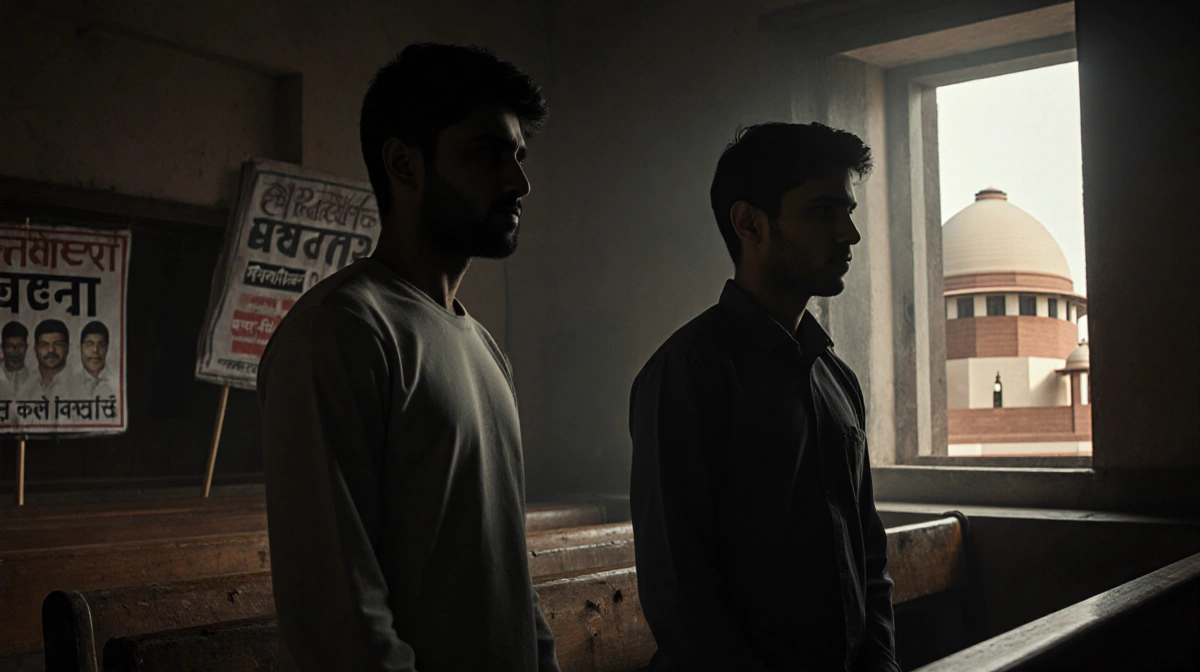
At a Glance
- Supreme Court denied bail to Umar Khalid and Sharjeel Imam, two Muslim student activists.
- They have spent years in pretrial detention under India’s Unlawful Activities (Prevention) Act (UAPA).
- The decision highlights a broader crackdown on dissent amid protests against the Citizenship Amendment Act (CAA).
- Why it matters: The ruling underscores the use of anti-terror laws to silence opposition and raises concerns about due process for political activists.
The Supreme Court of India rejected bail pleas from two Muslim student activists, Umar Khalid and Sharjeel Imam, who have been held in pretrial detention for five years under the UAPA. Their denial follows a broader trend of using anti-terror legislation to curb dissent.
Court Ruling and Legal Context
The court cited Khalid and Imam’s central role in the conspiracy behind the February 2020 Delhi riots, which left 53 people dead. While bail was granted to five other accused, the Supreme Court found the delay in trial insufficient to justify release.
- Arrested five years ago under UAPA
- Accused of inciting riots during protests against CAA
- Bail denied due to central role
- Trial delay not sufficient ground
Supreme Court said:
> “Umar Khalid and Sharjeel Imam stand on a qualitatively different footing as compared to other accused.”
Detention Under UAPA and International Pressure
Khalid and Imam were charged under the UAPA, a law once used only against insurgencies but now applied to political activists. Their prolonged detention has drawn criticism from U.S. lawmakers, Amnesty International, and other human rights groups.
| Event | Year | Note |
|---|---|---|
| Arrest under UAPA | 2018 | Five years ago |
| Delhi riots | 2020 | 53 dead |
| Supreme Court denial | 2024 | Bail denied |
The case is part of a pattern where the UAPA has been used to detain activists without trial, sparking concerns about freedom of expression and the rule of law.
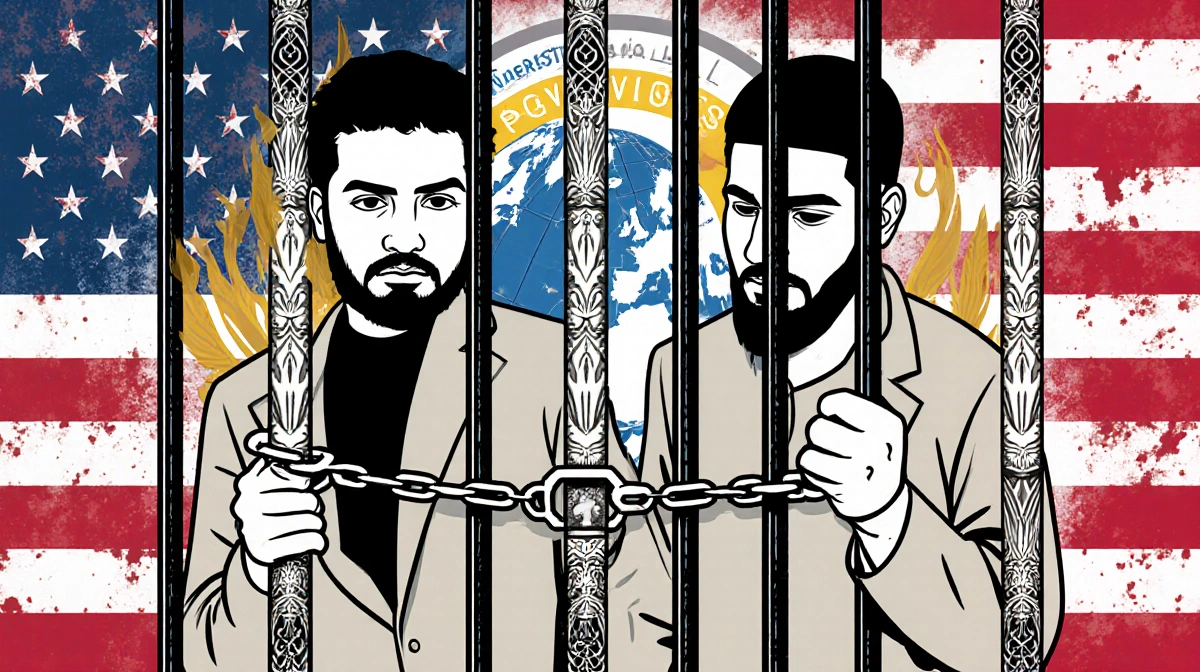
Key Takeaways
- Supreme Court denied bail to Khalid and Imam.
- They have spent years in pretrial detention under UAPA.
- The decision reflects broader use of anti-terror laws to suppress dissent.
The ruling adds to mounting international scrutiny of India’s use of anti-terror statutes against political opposition.