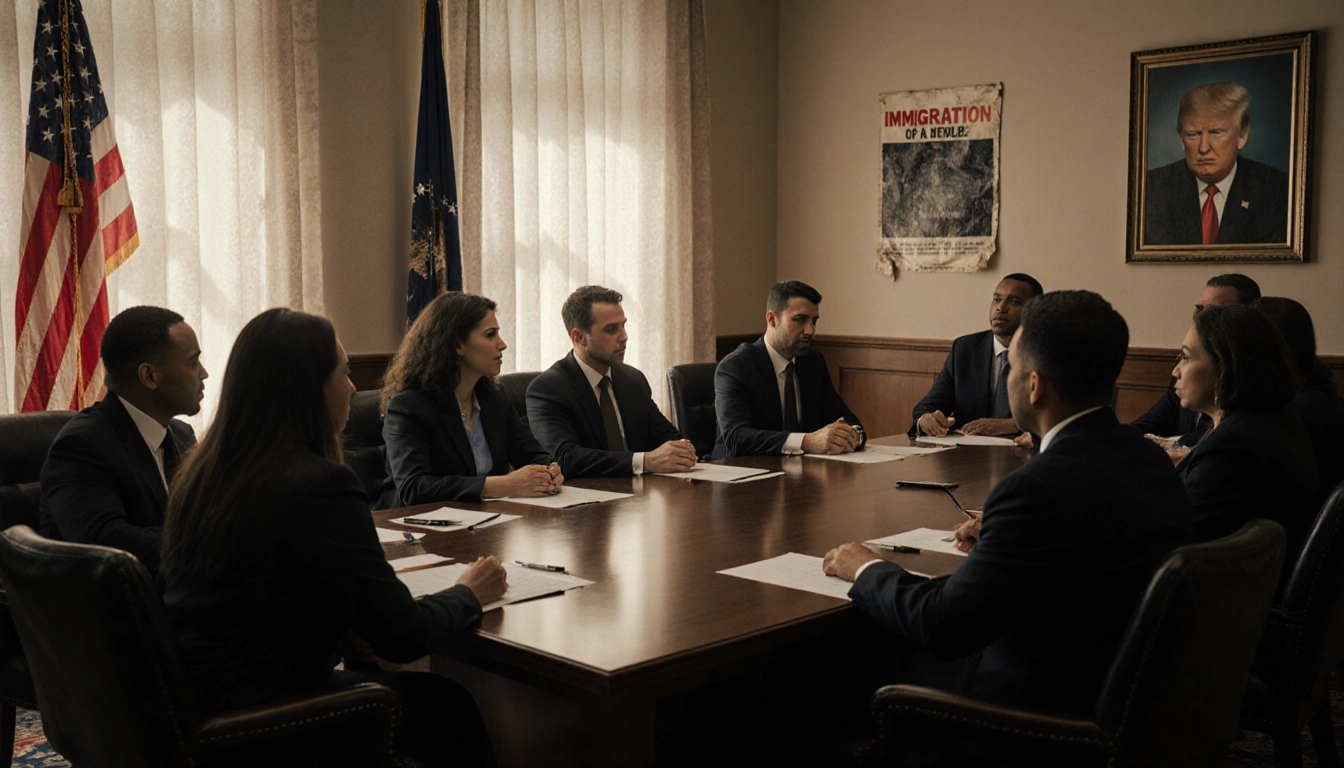
In a decision that could reshape how federal employees challenge workplace restrictions, the Supreme Court on Friday sided with immigration judges, rebuffing a Trump-era effort to tighten control over the federal workforce.
The Court’s Technical Victory
The justices upheld a ruling that allows immigration judges-federal employees who decide immigration cases-to sue over a policy that limits what they can say in public. The decision was a procedural win, but it touches on the broader question of whether federal workers can bring free-speech challenges directly to federal court or must use the internal complaint system overseen by the Department of Justice.
Background of the Case
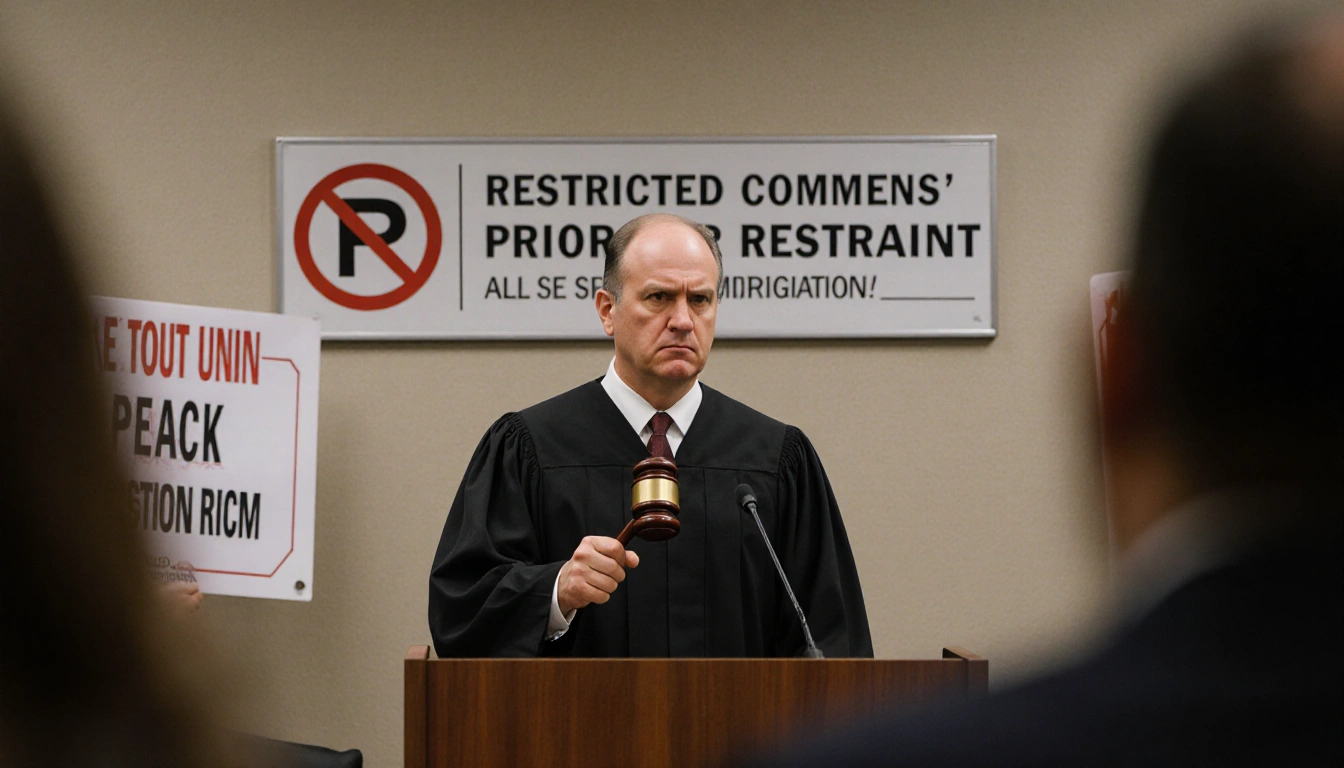
The dispute began in 2020 when a union that once represented immigration judges filed a lawsuit challenging a policy that restricted the judges’ public commentary. The union argued that the policy was a prior restraint on free speech and should be heard in federal court. Ramya Krishnan, an attorney at the Knight First Amendment Institute who argued the case, praised the Supreme Court’s ruling, saying: “The restrictions on immigration judges’ free speech rights are unconstitutional, and it’s intolerable that this prior restraint is still in place.”
Trump Administration’s Response
The White House had asked the Supreme Court to intervene after an appeals court found that the Trump administration’s firings of top officials in the federal complaint system raised questions about whether the system was still functioning as intended. The Justice Department maintained that the firings were within the president’s authority and that the lower court had no grounds to challenge them. The solicitor general requested that the Supreme Court freeze the ruling while he worked to remove the immigration judges’ case from federal court.
The Justices’ Stance
The justices declined the request to freeze the ruling but warned that the Trump administration could return if lower courts moved too quickly. No dissents were filed. The decision keeps most of Trump’s firings in place for now while the Court continues to weigh whether it should formally expand the president’s power to fire independent agency officials by overturning job protections rooted in a 90-year-old decision.
Implications for Federal Workers
Although the order is not a final decision, it could eventually affect other federal employees who wish to challenge firings in court instead of through the employee complaint system. The case highlights the tension between the executive’s authority to remove officials and the rights of federal workers to seek judicial review of workplace restrictions.
The Broader Context of Trump Firings
The Trump administration’s crackdown on immigration has included the firing of dozens of immigration judges who were viewed by his allies as too lenient. The Supreme Court’s recent emergency-docket wins for the Department of Justice-about two dozen cases on issues ranging from immigration to federal funding-underscore the Court’s current alignment with the administration.
Future Legal Landscape
The Court’s decision leaves open the possibility that lower courts could revisit the case, and it signals that the Supreme Court will be cautious about expanding presidential firing power without a clear legal basis. The outcome may prompt further litigation over the balance between executive discretion and employee rights.
Key Takeaways
- The Supreme Court upheld a ruling that allows immigration judges to sue over a free-speech restriction.
- Trump’s firings of complaint-system officials were deemed within presidential power by the Justice Department.
- The decision may influence how other federal workers challenge workplace restrictions in court.
The ruling marks a significant moment in the ongoing debate over executive authority and federal employee rights, setting the stage for future legal battles that could reshape the federal workforce’s relationship with the presidency.