In a federal courtroom in Houston, the first arguments over Texas Senate Bill 12 will be heard this Thursday, as the ACLU and other plaintiffs challenge the law’s LGBTQ+ restrictions.
The Hearing
The federal judge will hear arguments at 10 a.m. Thursday. Plaintiffs plan to hold a press conference after the hearing.
ACLU’s Complaint
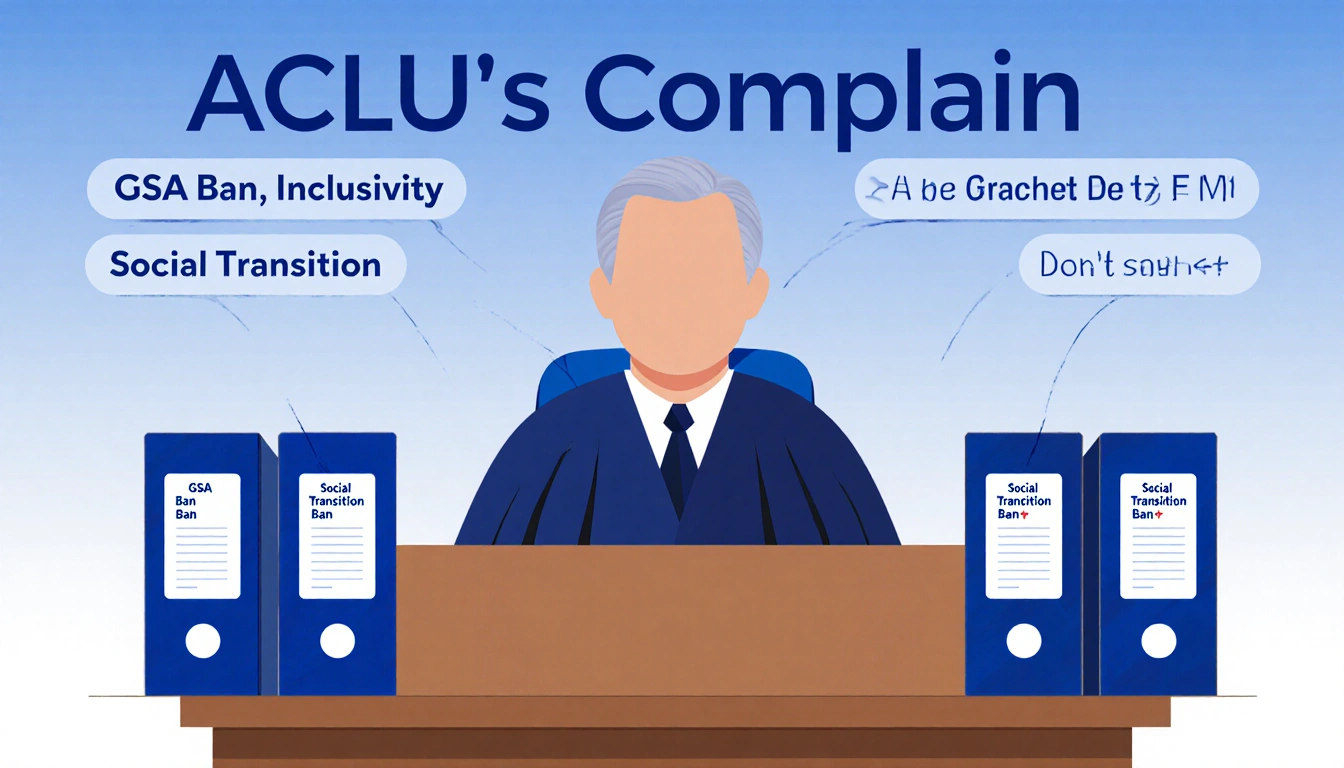
The lawsuit, filed before the law’s September 1 effective date, asks the court to block four specific provisions of SB 12: the “GSA Ban” that bars student organizations based on sexual orientation or gender identity; the “Inclusivity Ban” that limits references to race, color, ethnicity, gender identity, or sexual orientation in school policies; the “Social Transition Ban” that prohibits staff from assisting any student’s social gender transition; and the “Don’t Say LGBTQ+” provision that forbids teaching or programs about sexual orientation or gender identity outside school hours or in private capacity. The ACLU argues that these bans violate plaintiffs’ First Amendment rights to speech, expression, and association. Plaintiffs include the Genders and Sexualities Alliance Network (GSA Network), Students Engaged in Advancing Texas (SEAT), Texas American Federation of Teachers (Texas AFT), a Katy ISD student, a Houston ISD student, and a Plano ISD teacher. An amended filing on September 16 added specific examples of how SB 12 has affected the plaintiffs.
Defendants’ Responses
Texas Education Agency Commissioner Mike Morath
Morath filed a motion to dismiss, asserting sovereign immunity and that the law only regulates the government’s speech. He wrote, “Plaintiffs are unable to satisfy the jurisdictional hurdles required to bring their claims against Defendant, and their claims should be dismissed.” He added that SB 12 requires the TEA to receive and post school district certifications of compliance on its website, and that none of the plaintiffs’ complaints relate to district reporting requirements.
Houston Independent School District
Houston ISD said it has not created new policies because of SB 12. The district will join Morath’s motion to dismiss and stated that it has not blocked GSA clubs.
Plano Independent School District
Plano ISD’s answer admits that the district shut down a GSA club at one high school and that the teacher had served as the club’s sponsor. The district admits the claims but says it cannot locate an application for the club’s formation and denies liability. Plano ISD also denied that students cannot use a name different from their legal name, noting that the district allows different names with parental consent.
Katy Independent School District
Katy ISD’s response says it “takes no position” on the injunction request. The district argues that it has no discretion over SB 12 and that the student’s complaints stem from the law’s mandates, not a conscious policy decision. The student, a transgender boy, had been allowed to use a preferred name, wear preferred clothing, and participate in a Pride/Diversity Club before SB 12. After the law took effect, the school told his mother it could no longer use his chosen name. The student feels isolated and worries that teachers could be fired for allowing him to wear masculine clothing or take male roles in theater.
Plaintiffs’ Voices
- The Houston ISD student, a self-identified queer student, said she intends to “join, start, or restart a GSA” unless SB 12 or the district blocks her.
- The Plano ISD teacher alleges that staff were told in July the club would not exist that school year and that staff had to sign agreements against sponsoring such clubs.
- The Katy ISD student reports that teachers continue to use nicknames for cisgender peers while refusing to use his chosen name.
Key Takeaways
- The ACLU seeks to block four SB 12 provisions that restrict LGBTQ+ education and student organization rights.
- Defendants argue sovereign immunity and claim the law only regulates government speech.
- Plaintiffs include student, teacher, and teacher-union members who allege the law has caused them harm.
The case will test the limits of Texas’ newly enacted “Parent’s Bill of Rights” and its impact on LGBTQ+ students and staff.