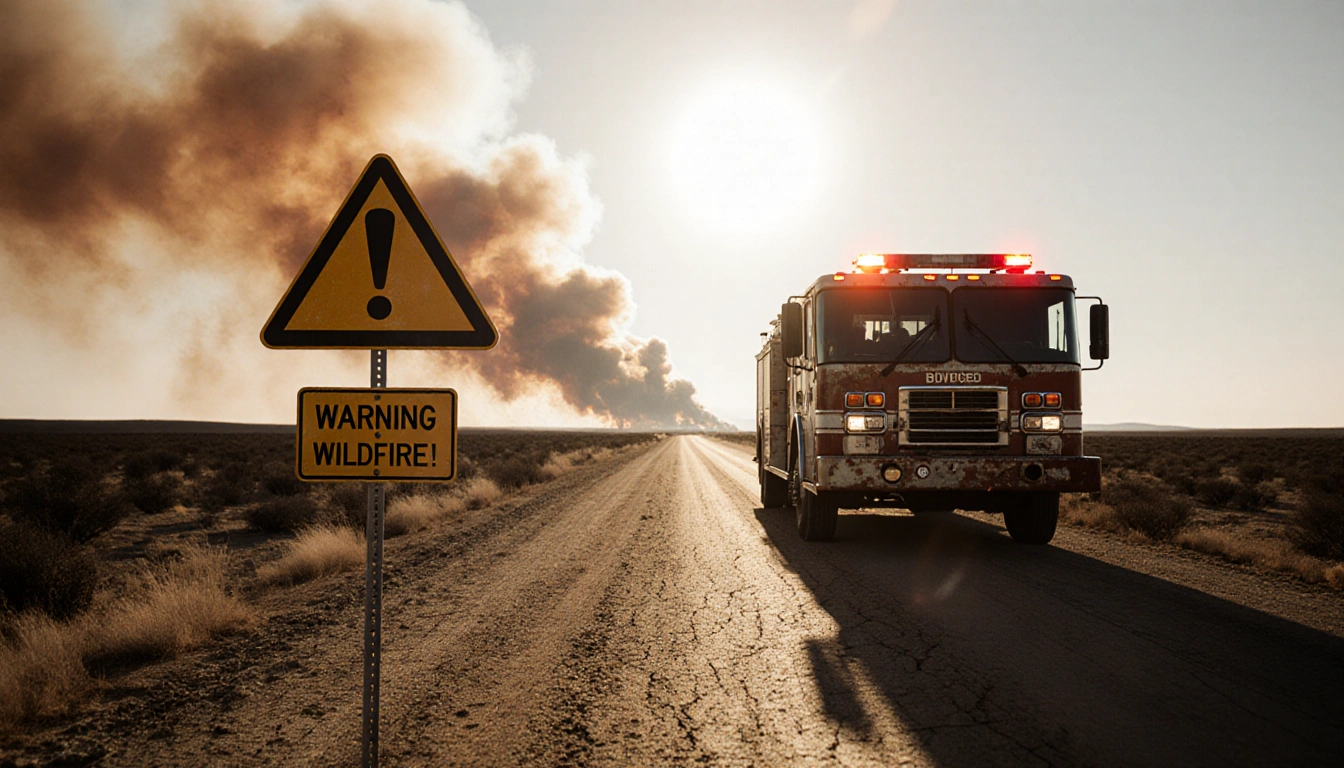
On Thursday, Texas officials deployed a surge of wildfire response assets as the state prepared for an anticipated rise in fire danger across the western and northern parts of the state over the weekend. The move comes amid growing concerns about dry, dormant vegetation and breezy conditions that could spark intense fires. Officials said the activation includes deploying state, local, and out-of-state firefighters, heavy equipment, and aircraft to high-risk zones. They also activated support packages to monitor roadways and assist motorists stranded by potential fire-related closures. The state is coordinating closely with local agencies to ensure resources are deployed efficiently.
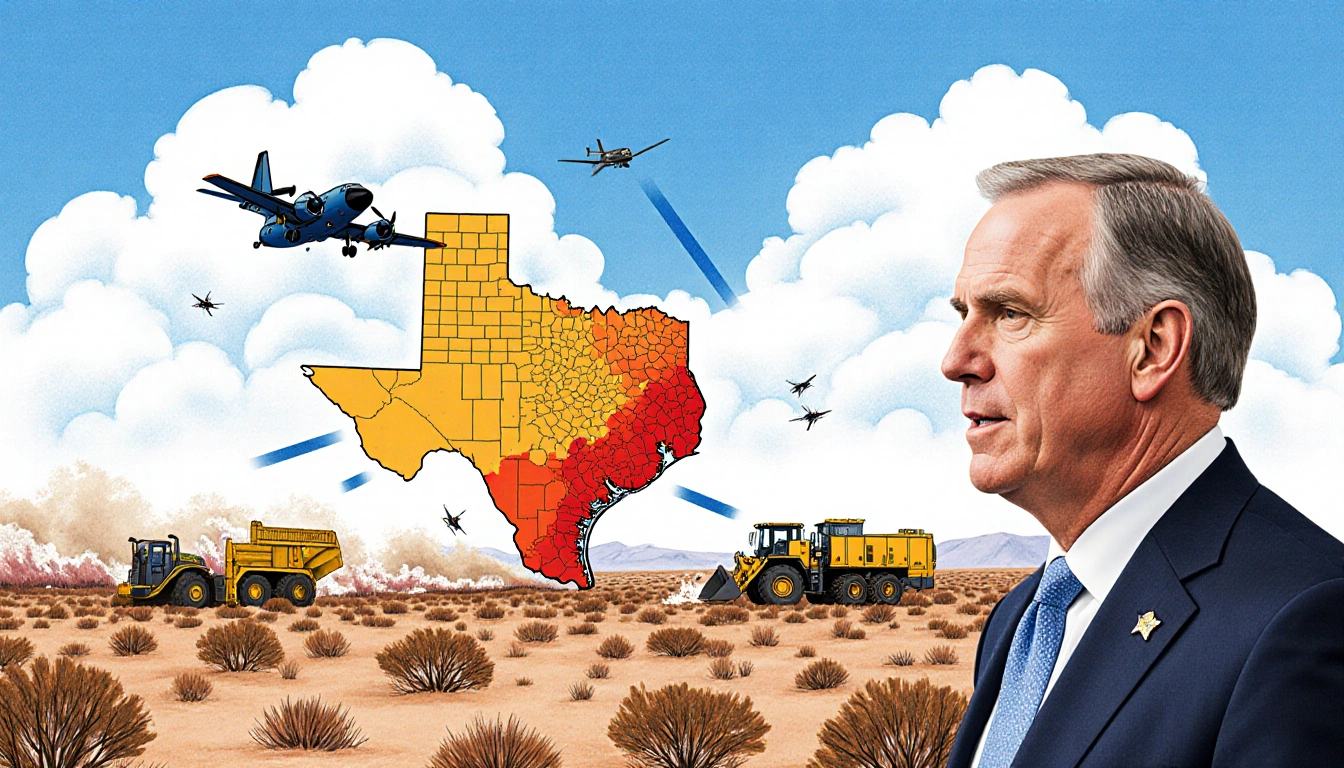
The Texas A&M Forest Service identified the wildfire risk as concentrated in North and West Texas, specifically the Texoma region and the Panhandle, with the threat expected to spread westward toward the South Plains, the Permian Basin, and Big Country. Their assessment highlighted that dry, dormant vegetation combined with breezy weather could create elevated fire-weather conditions across these areas. Officials from the Forest Service are monitoring satellite imagery and weather models to adjust response plans in real time. They emphasize that early detection and rapid deployment of firefighting crews are critical to preventing small fires from escalating.
Governor Greg Abbott’s office outlined a comprehensive suite of resources to bolster local firefighting efforts. The list includes state, local, and out-of-state firefighters and support personnel, heavy equipment such as bulldozers and motor graders, and 15 federally contracted firefighting aircraft. Additional support packages encompass Wildland Fire and Severe Weather Support Packages, Blackhawk helicopters equipped for firefighting, and personnel dedicated to monitoring road conditions. Troopers are assigned to patrol roadways and assist stranded motorists, while Disaster Assessment and Recovery Agents are on standby to evaluate damage and coordinate recovery efforts. Support for agricultural and livestock needs, power outage monitoring, coordination with utility providers, and monitoring of the state’s natural gas supply are also part of the strategy. Air, water, and wastewater monitoring teams will provide data to inform firefighting tactics. Finally, personnel will disseminate information on available services through the 2-1-1 Texas Information Referral Network, ensuring residents know where to seek help.
Governor Abbott emphasized the importance of individual preparedness in his statement to the public. He urged Texans to create an emergency plan, limit any activities that can cause a spark, and heed the guidance of state and local officials. He added, ‘Together, we can prevent elevating the risk of these wildfires and protect our homes, businesses, and each other.’
The activation of resources is part of a broader strategy to mitigate the potential impact of wildfires that could threaten communities, infrastructure, and the environment. By deploying a layered response-combining ground crews, aerial support, and logistical aid-state officials aim to reduce the likelihood of fires spreading unchecked.
Officials also highlighted the importance of real-time information sharing. Satellite imagery, weather forecasts, and on-the-ground reports are continuously fed into command centers to guide decision-making. This integrated approach ensures that resources are allocated where they are most needed and that fire suppression efforts are coordinated across agencies.
The state’s activation also includes monitoring of power outages and coordination with utility providers to prevent sparks from electrical equipment. Simultaneously, monitoring of the state’s natural gas supply and communication with the oil and gas industry help mitigate potential ignition sources.
Key Takeaways
- Texas activated a comprehensive set of firefighting resources, including 15 aircraft and heavy equipment, ahead of weekend fire danger.
- The Texas A&M Forest Service identified high-risk areas in North and West Texas, with dry vegetation and breezy weather increasing fire-weather conditions.
- Governor Greg Abbott urged residents to prepare emergency plans and avoid spark-generating activities to reduce wildfire risk.
Looking ahead, state and local agencies will continue to monitor weather patterns and adjust resource deployment as needed. Residents are encouraged to stay informed through official channels, heed warnings, and follow safety guidelines.
The coordinated effort reflects Texas’s commitment to protecting its communities and natural resources from the escalating threat of wildfires. By combining ground crews, aerial assets, and community outreach, the state aims to keep the fire danger manageable and safeguard residents.
For updates on wildfire activity and resource deployment, Texans can consult the Texas A&M Forest Service website, the governor’s office releases, or the 2-1-1 Texas Information Referral Network.