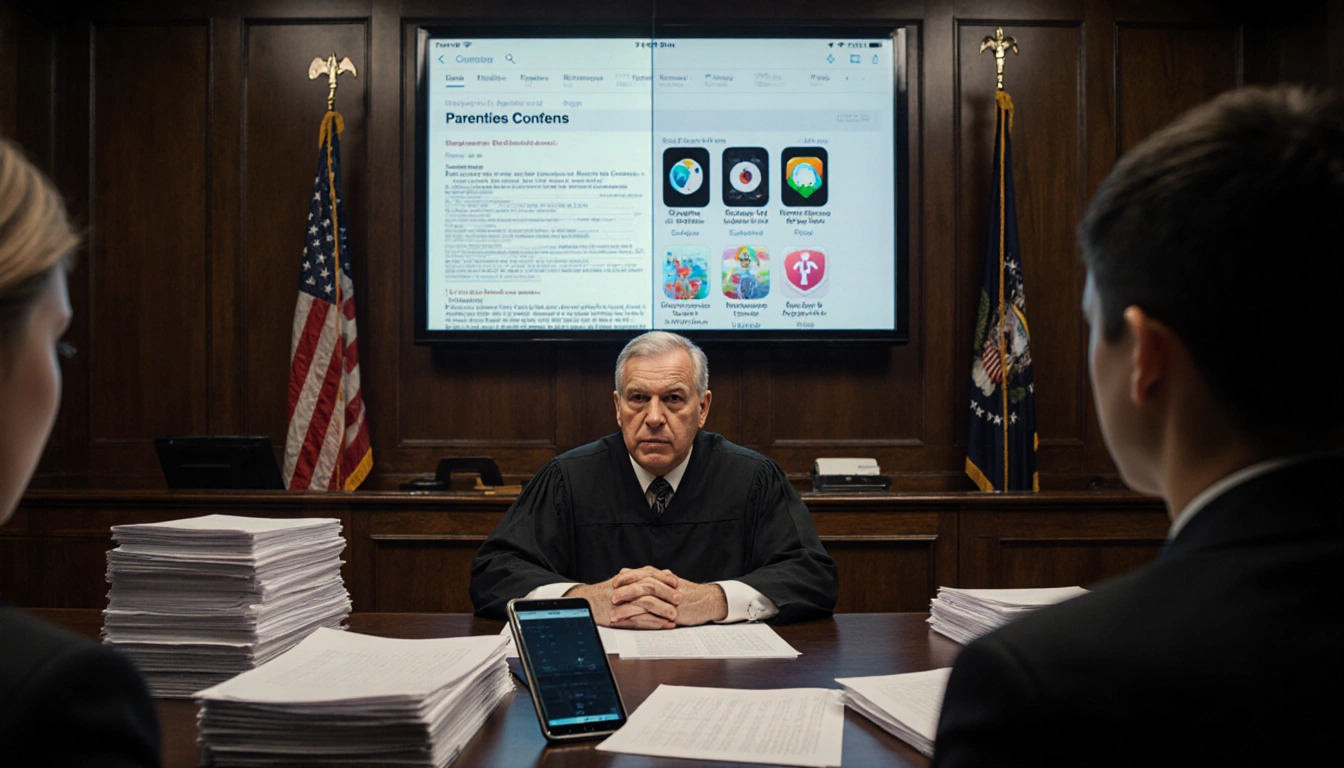
On Tuesday morning, U.S. District Court Judge Robert Pitman heard arguments for and against a new law that would require parental consent for children under 18 to use their mobile device’s app store. The App Store Accountability Act would take effect on Jan. 1 if Pitman does not block it beforehand. The hearing highlights the growing debate over digital safety and free speech for minors.
The Court Hearing
Judge Pitman listened to both sides of the case, with the Center for the Computer and Communications Industry Association (CCIA) and Students Engaged for Advancing Texas (SEAT) presenting arguments that the law infringes on First Amendment rights. CCIA’s senior vice president and director of litigation, Stephanie Joyce, described the statute as a “broad brush complete ban to accessing the entire internet from a mobile device.” She added that CCIA has sued Texas under the First Amendment because the statute “completely bans anyone from getting speech.”
Law Requirements
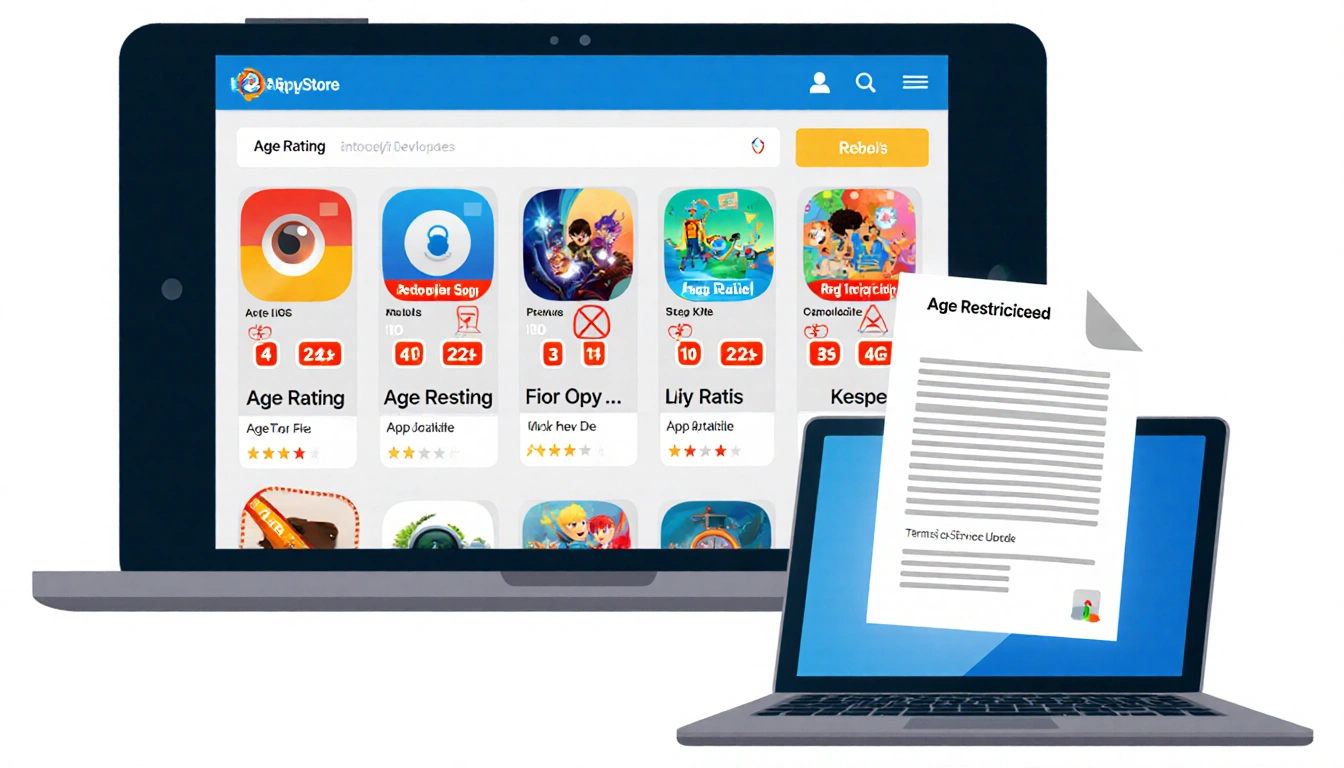
The proposed law requires that any child under 18 must obtain parental permission before accessing the app store on a mobile device. It also mandates that app developers assign an age rating to every app they create and to each in-app purchase they offer. App stores would then display those ratings prominently to users. If an app undergoes a significant change to its terms of service or privacy policy, the developer must inform the app store and update the age rating accordingly.
Significant Change Provision
The law defines a “significant change” as including alterations that affect the type or category of personal data collected, stored, or shared by the developer. It also covers changes that impact the age rating assigned to the application or the content that led to that rating. Adding new monetization features, such as new in-app purchases or advertisements, also triggers the requirement. Finally, any material change to the functionality of the user experience is considered significant.
Legislative Intent
State Sen. Angela Paxton, R-McKinney, authored SB 2420 with concerns over children’s mental health. The bill’s statement of intent notes that “Growing concerns regarding the rise of social media and its pervasiveness in the lives of children and teens leave parents in the position of grasping for the best ways to protect their children.” It also contrasts digital access with brick-and-mortar stores that verify age before selling restricted products. Paxton argues that because major app stores already provide age verification, the bill “simply provides additional framework, transparency, and enforcement to protect the children of Texas.”
AG Motion to Dismiss
Texas Attorney General Ken Paxton filed a motion to dismiss in November, citing the law’s overstated harms. The motion reads, “The projected harms caused to plaintiff by the enactment of S.B. 2420 are vastly overstated. The Apple and Google app stores already issue age ratings.” It continues, “The App stores verify the ages of their users, and provide tools which enable parents to limit what apps children are able to download or make purchases.”
CCIA’s Argument
CCIA contends that the legislature’s focus on online safety is flawed because parents already possess the right to control their children’s content. Joyce stated, “This applies to the entire app store, not just particular content that the state might find objectionable,” and added, “It bars the New York Times, it bars Sesame Street. Because Texas believes it knows better than parents.” She further criticized the bill for turning parents into “proxy censors” rather than allowing them to choose what their children see, citing the court’s observation that parents already have tools to protect their children.
SEAT’s Counter
Students Engaged for Advancing Texas (SEAT) joined the lawsuit, asserting that the law violates minors’ free speech rights by limiting access to platforms where they can express themselves. SEAT Co-Founder Cameron Samuels said, “SB 2420 deprives students of our First Amendment rights on the internet.” He added, “The internet is our reality. Students have free speech rights too. We deserve access to resources that could save our lives, like the Trevor Project Suicide Prevention lifeline that was blocked in my school district.”
Key Takeaways
- The App Store Accountability Act would require parental consent for minors to use app stores, with a Jan. 1 effective date if not blocked.
- The law imposes age ratings on all apps and in-app purchases and mandates updates when significant changes occur.
- Both industry groups and student advocates argue that the law infringes on First Amendment rights and turns parents into proxy censors.
The case remains pending as Judge Pitman weighs the arguments presented by the parties.