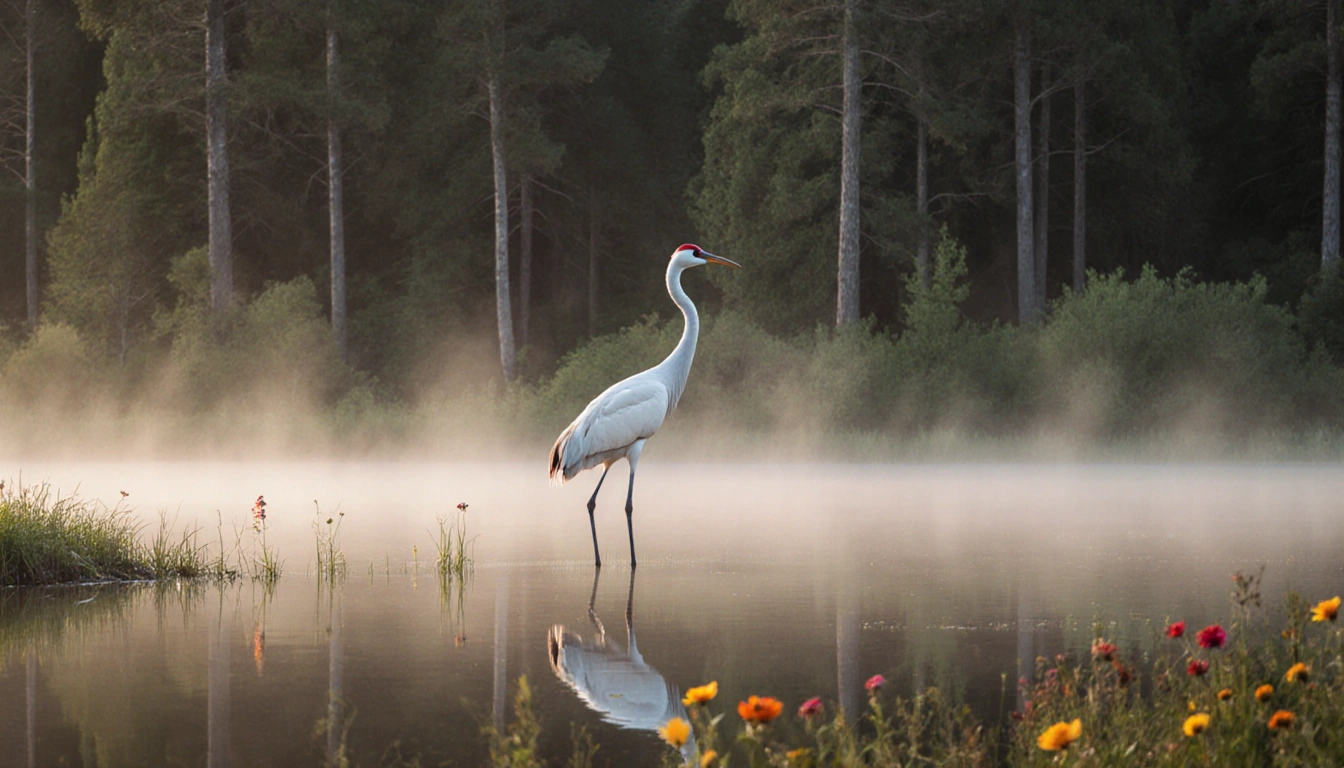
More than 550 whooping cranes now flock to Texas each winter, thanks to a new 3,300-acre sanctuary that will protect their critical winter habitat.
A Long-Standing Conservation Success
The story of the whooping crane began when the species was on the brink of extinction in the early 1940s, with only 16 individuals in Texas. Over the past eight decades, conservationists have worked to bring the population back to a self-sustaining level. Today, the largest and only wild flock in the world breeds in Canada’s Wood Buffalo National Park before embarking on a 45-day, 2,500-mile migration to Texas.
Carter Crouch, director of Gulf Coast programs for the International Crane Foundation, says the crane’s journey has been “complicated with many successes and some setbacks, but all in all, conservationists have come a long way.” He adds, “We have a long way to go still, so there’s a lot of story to be written, and I’m super excited to be a small part of that.”
The New Sanctuary
On Thursday, the International Crane Foundation, The Conservation Fund and the Coastal Bend Bays & Estuaries Program announced the acquisition of more than 3,300 acres (1,336 hectares) of winter habitat southwest of Houston. The land was purchased for just over $8.4 million through grants, fundraising and hundreds of donations.
The properties are split between two owners: the Wolfberry Whooping Crane Sanctuary will be managed by the International Crane Foundation, while the other parcel will be handled by The Conservation Fund until the Coastal Bend Bays & Estuaries Program takes full ownership. The name reflects the Carolina wolfberry, a shrub whose small, red berries the cranes love.
The sanctuary sits near the Aransas National Wildlife Refuge, the only place in the United States where people can reliably see whooping cranes. According to Julie Shackelford, Texas director for The Conservation Fund, “a couple hundred people every day go out just to see the whooping crane and their young.” She calls protecting the land “super gratifying.”
Habitat Restoration and Management
Much of the prairie within the new property has become overrun by shrubs. To restore the grassland, conservationists plan to use prescribed burns and other techniques. They will also plant smooth cordgrass to improve marshes, protect shorelines from erosion and act as storm buffers for nearby residents.
Volunteers will assist with the annual Christmas Bird Counts, and once the sanctuary is operational, guided tours and educational events are expected to be added. The project also aims to support the federally endangered aplomado falcon and the threatened black rail bird, both of which call the region home.
A Day on the Water
Crouch and a team of scientists once set out in the boat called Crane Seeker. After a thick fog cleared, they anchored near a channel along the Gulf of Mexico and spent nearly an hour observing the cranes. “We pointed our spotting scope and patiently watched the birds, jotting down every minute of their activities-flying, wading, eating crabs or wolfberries-” Crouch recalled.
The observation also highlighted the presence of other species that share the habitat, underscoring the ecological value of the area.
Broader Threats
Despite the gains, whooping cranes still face significant risks. Urban development, climate change, and infrastructure for oil, gas and coal threaten their habitats. Sea-level rise could destroy low-lying coastal wetlands in Texas, while loss of permafrost in Canada threatens breeding grounds.
Crouch notes, “Generally it’s just a really long-lived group of birds, so they’re pretty sensitive to some of these threats that we’re throwing at them.” He emphasizes the importance of ongoing protection and restoration.
A Photographer’s Perspective
Mike Forsberg, a conservation photographer and faculty member at the University of Nebraska, has spent years photographing cranes. His 2024 book, Into Whooperland: A Photographer’s Journey with Whooping Cranes, asks whether the birds can survive in the 21st century. “Of course they can,” Forsberg says. “They’re resilient. But it’s up to us. And these habitats that are being protected now by the International Crane Foundation and by folks who just manage their land with a certain ethos … that’s critical.”
Key Takeaways
- The sanctuary covers 3,300 acres, protecting more than 550 whooping cranes that migrate from Canada each winter.
- The acquisition cost just over $8.4 million, funded through grants, fundraising and donations.
- Restoration efforts include prescribed burns, smooth cordgrass planting, and support for other endangered species.
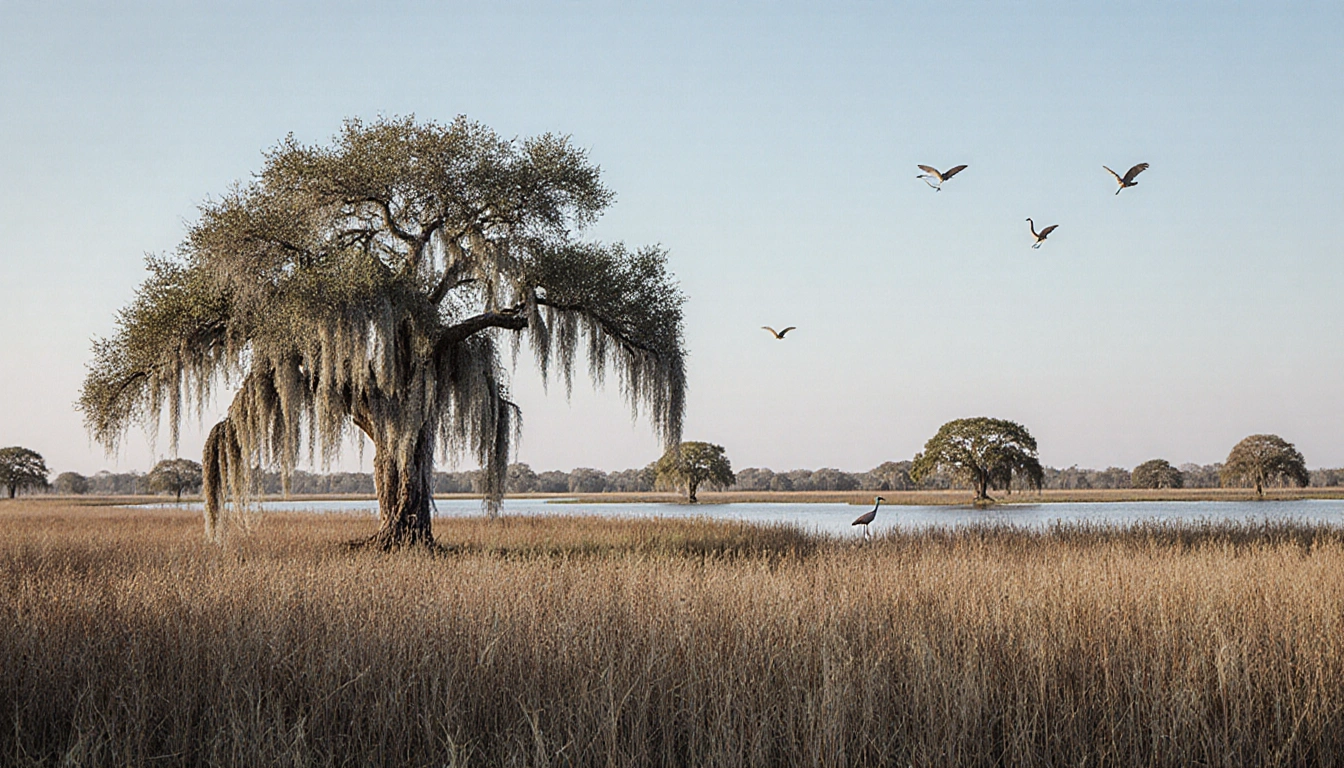
The new sanctuary marks a major milestone in the ongoing effort to preserve the whooping crane, the tallest bird in North America, and ensures that future generations can witness these majestic birds in their natural habitat.
Closing Thoughts
The expansion of the Wolfberry Whooping Crane Sanctuary demonstrates how targeted conservation can reverse decades of decline. By safeguarding critical winter habitat and engaging local communities, the project not only benefits the cranes but also strengthens regional economies and ecological resilience.