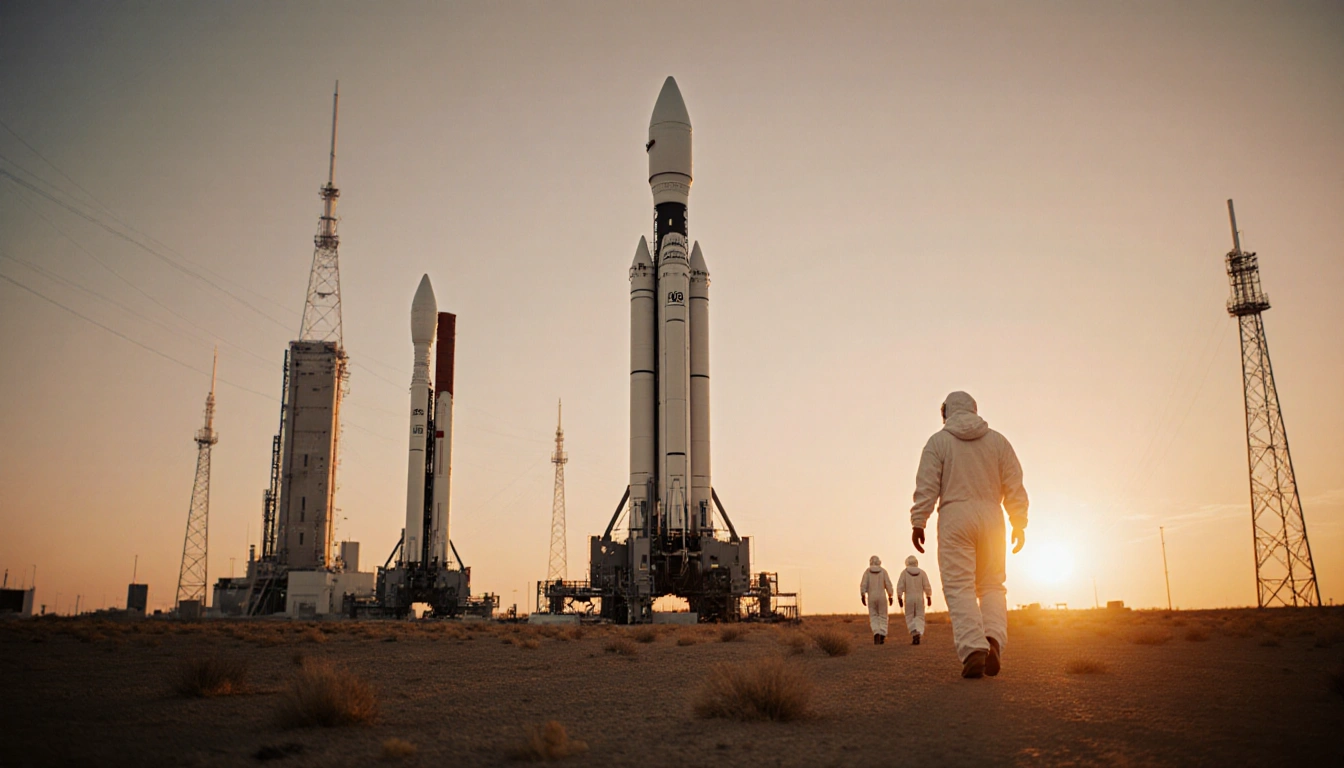
Texas is poised to become a major hub for the space industry, with a SWIFT report forecasting 100,000 new jobs over the next decade.
Texas: A New Frontier for Space Work
Space companies are flocking to Texas, and the state’s growing aerospace sector is driving a surge in employment. The Space Workforce Incubator for Texas (SWIFT) released the Space Economy Jobs Report in October, outlining how Texas can prepare for this expansion.
Dr. Leon Vanstone, lead author of the report, said, “There’s an incredible opportunity for Texas to come in and be very deliberate about the way it shapes its workforce.”
Global Market Outlook
The report projects that the global space industry will be worth over $1.8 trillion by 2035. Vanstone likened the current growth to the early days of the internet, noting a shortage of skilled programmers. He added, “You have this bold new world all over again. The people who are very deliberate about going there and about building that new world, they’ll be the winners.”
Why Texas Attracts Space Firms
Texas still trails California in the number of space job postings, but it offers advantages such as ample land and proximity to the equator. Vanstone explained, “[Texas is] where a large number of organizations could have their headquarters, their test facilities, and their launch operations all in one place.”
Job Market Dynamics
In August, the report found that 12 % of the job openings were for welders. Nearly half of all listings did not require a college degree, though specific certifications were necessary because of the complexity of the work. Many companies provide on‑the‑job training.
Salaries in the space industry are higher than average. The average salary for the positions studied was $143,000, while those not requiring a college degree paid an average of $76,000—about one‑and‑a‑half times the national average.
Building a Workforce Pipeline
Companies are struggling to fill positions, so they are creating their own talent pipelines by investing in local communities. SpaceX, for example, began this approach in California when it launched. Vanstone noted, “The way they tend to operate is they sort of adopt high schools, or they’ll adopt a local college and they’ll build, a talent pipeline to that college, university, whatever it is, and they’ll use that to bring the talent into them.”
Rudy Mireles, a space reporter at KVEO, said, “It kind of shows that [SpaceX is] also investing in local talent, right? They’re getting the future of the Rio Grande Valley set up that way.”
Mireles added, “Just a couple of years ago, Elon Musk donated about $30 million to schools across Cameron County.”
Key Takeaways
- 100,000 new space‑industry jobs are expected in Texas over the next decade.
- The global space market is projected to exceed $1.8 trillion by 2035.
- Texas offers unique advantages, including land availability and equatorial proximity.
Texas is set to add 100,000 space‑industry jobs over the next decade as the global market reaches $1.8 trillion by 2035, says SWIFT’s latest report for Texas.