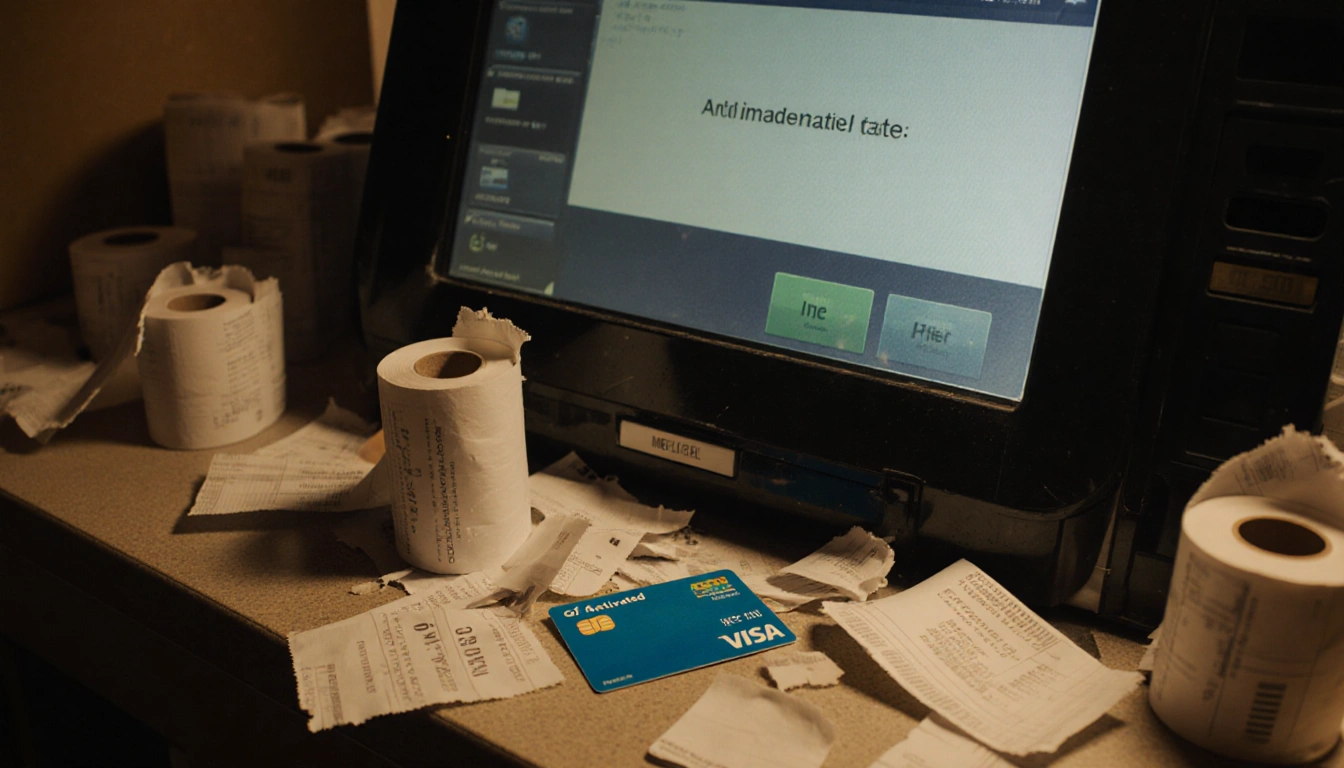
Three Texas men have been arrested by the Texas Financial Crimes Intelligence Center for a $14 million gift card fraud that began in May 2025, authorities say. The scheme involved the theft of unactivated gift cards from retail kiosks across the state. The arrests were made after investigators traced the stolen funds to a series of cloned card activations.
The FCIC said the three men were apprehended after a coordinated investigation that spanned multiple counties. The suspects are accused of siphoning approximately $14 million from customers who purchased and activated the cloned cards. The theft occurred in stores ranging from Dallas-Fort Worth to Central Texas and along the Gulf Coast.
According to the press release, the men exploited gaps in kiosk security to access unactivated cards. The stolen cards were then used to create duplicates that could be activated by unsuspecting shoppers. Once activated, the fraudsters drained the accounts before the cardholders could spend the funds.
The investigation revealed that the scheme had been active since May 2025, the same month the video evidence was recorded. The FCIC released a statement confirming the arrests and outlining the timeline of the fraud. The officials emphasized that the stolen amount represents a significant loss for consumers across the region.
The fraud technique is known as gift card cloning, a process that begins with the theft of unactivated gift cards from retail kiosks. Criminals carefully open the packaging to read the electronic number on the card. They then reseal the card and return it to the kiosk for later use.
After the card is purchased and activated by a customer, the fraudster can drain the funds from the account. The FCIC described the process as a two-step operation: first, the card is cloned; second, the cloned card is activated and drained. The scheme allows the perpetrators to benefit from the stolen funds before the legitimate owner can use the card.
Investigators noted that the cloned cards are indistinguishable from genuine cards once resealed. The process exploits the fact that retailers do not routinely inspect the packaging for tampering. The stolen funds are then transferred to accounts controlled by the fraudsters.
The FCIC said that the cloned cards are activated in a matter of minutes, allowing the fraudsters to drain the accounts quickly. The perpetrators can then move the money to other accounts or use it for purchases. This rapid cycle makes it difficult for victims to recover their losses.
A new law passed in the 89th Texas Legislature aims to crack down on gift card tampering cases. The law, Texas Penal Code 32.56, defines fraudulent use, possession, or tampering with gift card packaging or data. It went into effect on September 1, 2025.
The FCIC highlighted the new statute in its press release, noting that it provides a stronger legal framework to prosecute offenders. The law specifically targets the cloning process and related fraudulent activities. It also clarifies the penalties for individuals who tamper with gift card packaging.
The announcement of the law coincided with the arrests, signaling a coordinated effort to deter future fraud. The FCIC said the new statute will help authorities investigate similar schemes more effectively. The law is expected to serve as a deterrent for would-be fraudsters.
FCIC urged consumers to closely examine gift card packaging before purchasing. The agency warned that tampered cards may show excess glue or damage. Consumers should look for any irregularities that could indicate the card has been opened.
The agency included a direct quote in its release: FCIC said, “Consumers are encouraged to closely examine gift card packaging before purchasing gift cards, looking for any excess glue or damage to the packaging that could indicate someone has tampered with the card.” The statement is intended to raise awareness among shoppers.
FCIC’s Consumer Resources webpage advises Texans who suspect they have been victims to contact local law enforcement. The agency also recommends reporting the incident to the retailer where the card was purchased. Victims can then pursue recovery through legal channels.
Key takeaways from the investigation and new law include the following points: The arrests highlight the scale of the fraud. The law provides a stronger deterrent.
- Three men were arrested for a $14 million gift card fraud that began in May 2025. This case involved sophisticated cloning techniques. The investigation traced the stolen funds across multiple counties.
- The fraud involved cloning unactivated gift cards and draining them after activation. The scheme exploited kiosk security gaps. Victims were unaware until the cards were activated.
- Texas Penal Code 32.56, effective September 1, 2025, strengthens penalties for tampering with gift cards. The statute targets cloning and related fraudulent activities. It also clarifies legal consequences for tampering with packaging.
Victims of the scheme have reported significant financial losses, with many unaware that their purchased cards had been cloned. The FCIC has documented dozens of complaints filed by customers across the state. The agency is working to assist victims in recovering their funds.
Retailers in Dallas-Fort Worth, Central Texas, and Gulf Coast regions have reported increased scrutiny of kiosk security. Store managers are advised to monitor for unusual card activations and report suspicious activity. The incident has prompted a review of kiosk packaging integrity.
The FCIC collaborated with local police departments to locate and arrest the suspects. The partnership enabled the rapid gathering of evidence and the tracing of stolen funds. This cooperation demonstrates a multi-agency approach to combating financial crime.
Officials expect the new law to deter future fraud and improve consumer protection. The FCIC plans to continue monitoring gift card transactions for irregular patterns. The agency will also educate retailers on best practices for kiosk security.
The arrests and new legislation underscore Texas’s commitment to protecting consumers from financial fraud. By targeting gift card cloning and tightening legal penalties, state authorities aim to restore confidence in retail gift card purchases. Consumers are encouraged to remain vigilant and report any suspicious activity promptly.