
At a Glance
- Texas’ HB 7 lets citizens sue anyone who mails or prescribes abortion pills to Texans
- Massachusetts Medication Abortion Access Project filled 3,000-plus prescriptions in December, its busiest month
- Roughly one-third of MAP patients live in Texas despite the new law
- Why it matters: Out-of-state shield laws protect providers, leaving Texans with continued access but greater privacy and support risks
A Texas law meant to cut off access to abortion pills by targeting out-of-state providers has not stopped shipments from reaching patients. House Bill 7, in force since December 4, allows private citizens to sue anyone who manufactures, mails or prescribes mifepristone or misoprostol to a Texan, yet clinics in shield-law states continue to serve Texans by telehealth.
Shield Laws Keep Pills Flowing
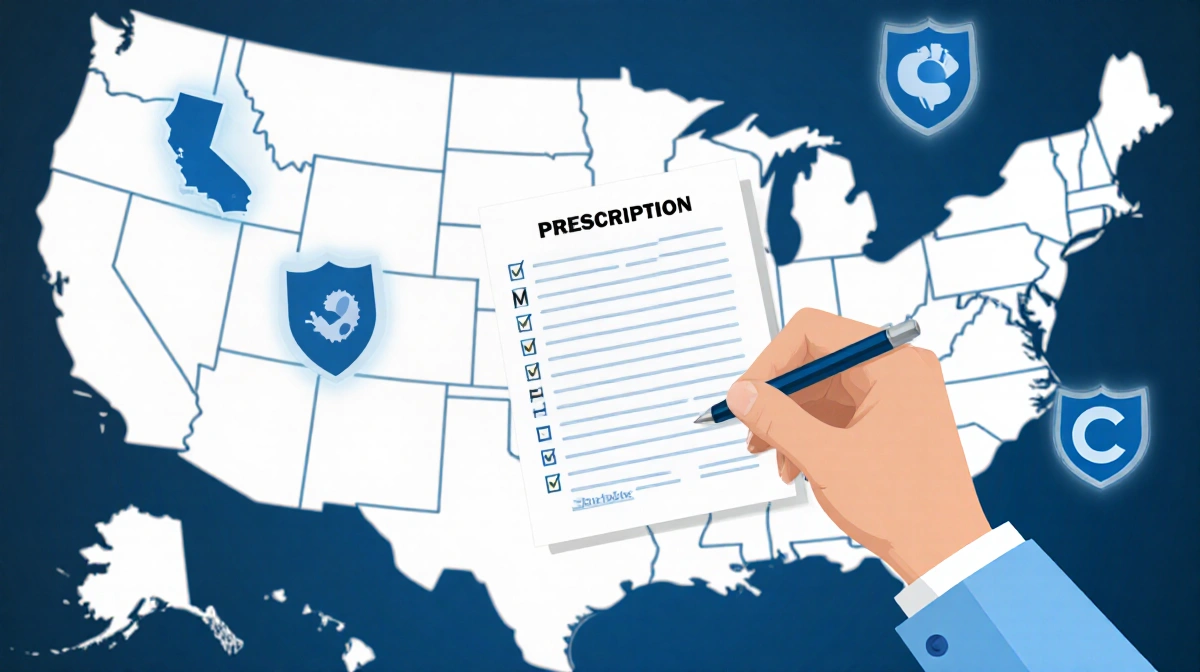
Reproductive-care shield laws in Massachusetts, New York, California and Colorado protect providers who prescribe pills via telehealth no matter where the patient lives. In October a New York state court rejected Texas Attorney General Ken Paxton’s attempt to prosecute a New York doctor under the statute, reinforcing the legal wall around out-of-state clinicians.
The Massachusetts Medication Abortion Access Project, one such shielded group, employs five clinicians who prescribe and mail pills to first-trimester patients for a suggested $5 donation. About 66 percent of applicants cannot pay the full $75 cost, according to MAP data.
MAP also mails “period pills” for a higher fee-pills taken by people who suspect pregnancy but avoid testing. “For some patients, not knowing is something that they value,” said Angel Foster, MAP leader and clinician. “They know they don’t want to be pregnant, but they don’t want to know if the pills caused an abortion or not.”
Record Volume After Ban
MAP changed nothing after HB 7 took effect. December, the same month the statute became enforceable, produced the group’s highest patient volume on record-more than 3,000 patients-and approximately one in three resided in Texas.
“We’re going to continue to provide care, and we can provide support as well,” Foster said, adding that parents, partners or friends who contact MAP on behalf of patients risk being sued under the statute.
MAP insists on direct patient contact, a policy that now exposes third-party helpers to civil action. “I fear … abortion seekers in Texas will feel less comfortable reaching out to their support networks for fear that those people could get sued,” Foster said.
Medical Complications and Privacy Fears
Serious complications from abortion medication in the first 10 weeks are rare, Foster noted, yet excessive bleeding, ectopic pregnancy or incomplete abortion can require follow-up care. Texans have reported being denied miscarriage management at local clinics because of the state’s abortion ban.
“The thing that keeps me up at night is that somebody presents at an emergency department, and then doesn’t get treated,” Foster said.
Patients increasingly use encrypted or temporary email services such as Proton Mail when contacting MAP, a shift Foster attributes to domestic-safety concerns around digital footprints.
Paxton Continues Legal Push
On December 9 Paxton and Florida’s attorney general sued the U.S. Food and Drug Administration over approval of a new generic mifepristone, claiming the agency enacted changes “untethered to any medical research evaluating the safety and effectiveness of mail-order abortion drugs.”
Foster called the portrayal of out-of-state pill services as indiscriminate or lacking medical oversight “inaccurate,” noting that MAP follows clinical protocols and requires patient evaluation before prescribing.
Key Takeaways
- HB 7 targets helpers, not patients, but shield laws in four states protect prescribing clinicians
- MAP served 3,000-plus patients in December, setting a monthly record
- About one-third of those patients live in Texas, showing continued demand
- Legal battles continue as Paxton challenges FDA approval of generic mifepristone
News Of Austin reported this story on January 16, 2026.
Support independent journalism
Independent, free press helps keep communities informed. Consider donating $5, $10 or any amount to sustain local reporting.
Sources: Aiden V. Crossfield for News Of Austin