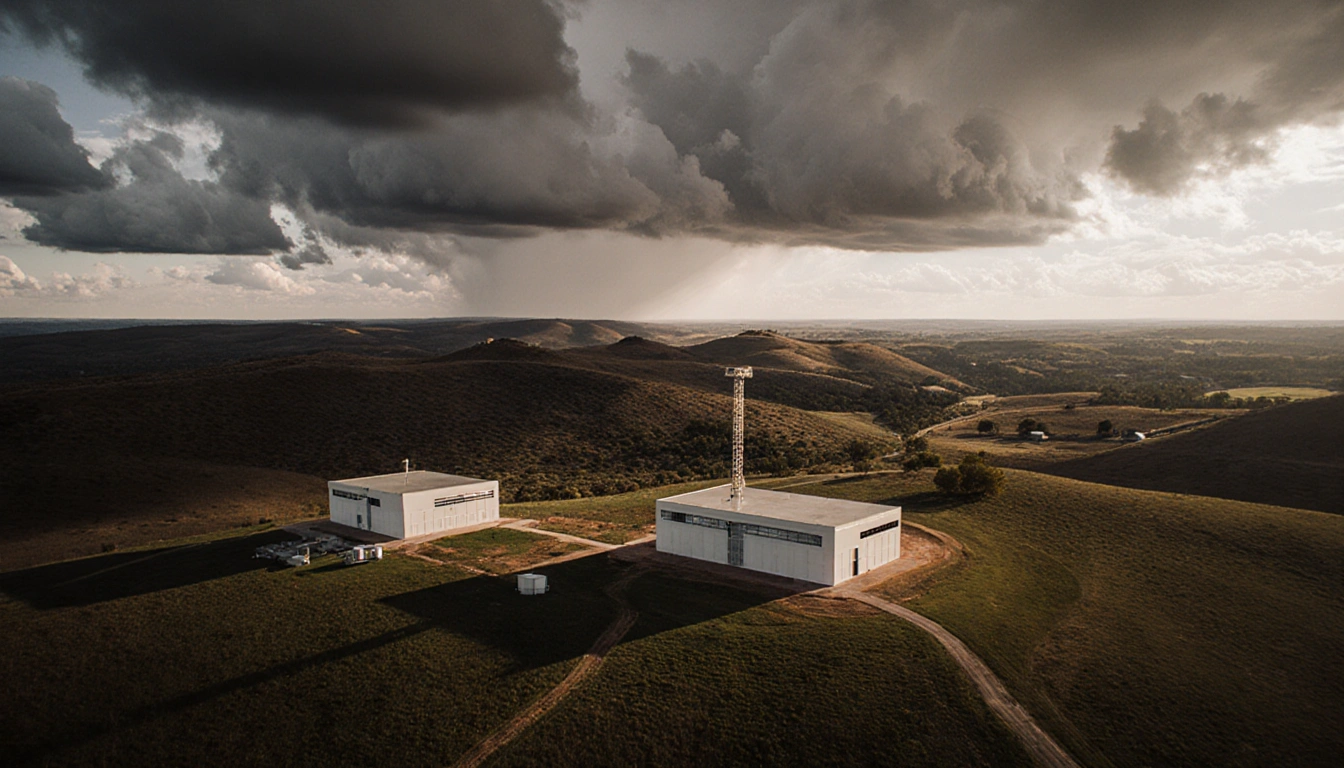
In the wake of the devastating Kerr County floods that struck the Hill Country in the early hours of July 4, Texas Tech University’s National Wind Institute (NWI) announced the installation of two new mesonet stations near Hunt, Texas. The stations sit close to Camp La Junta and the M-Bar-M Ranch, locations that experienced heavy rainfall during the storm. This move marks the first step in a broader effort to fill data gaps that contributed to the flood’s severity. NWI officials say the new stations will provide real-time measurements in areas previously without instrumentation.
Expansion of Mesonet Network
Brian Hirth, a research professor at NWI, explained, “As a monitoring device, this will help us inform in places where maybe we never had measurements before to help fill gaps of information that currently exist.” He added that the installation is part of a plan to increase atmospheric measurements across Texas. The state of Texas is funding the NWI’s efforts through Senate Bill 5, one of several bills passed after the floods. Texas Tech received a $24 million grant to expand its existing West Texas Mesonet program.
Current Program and Future Plans
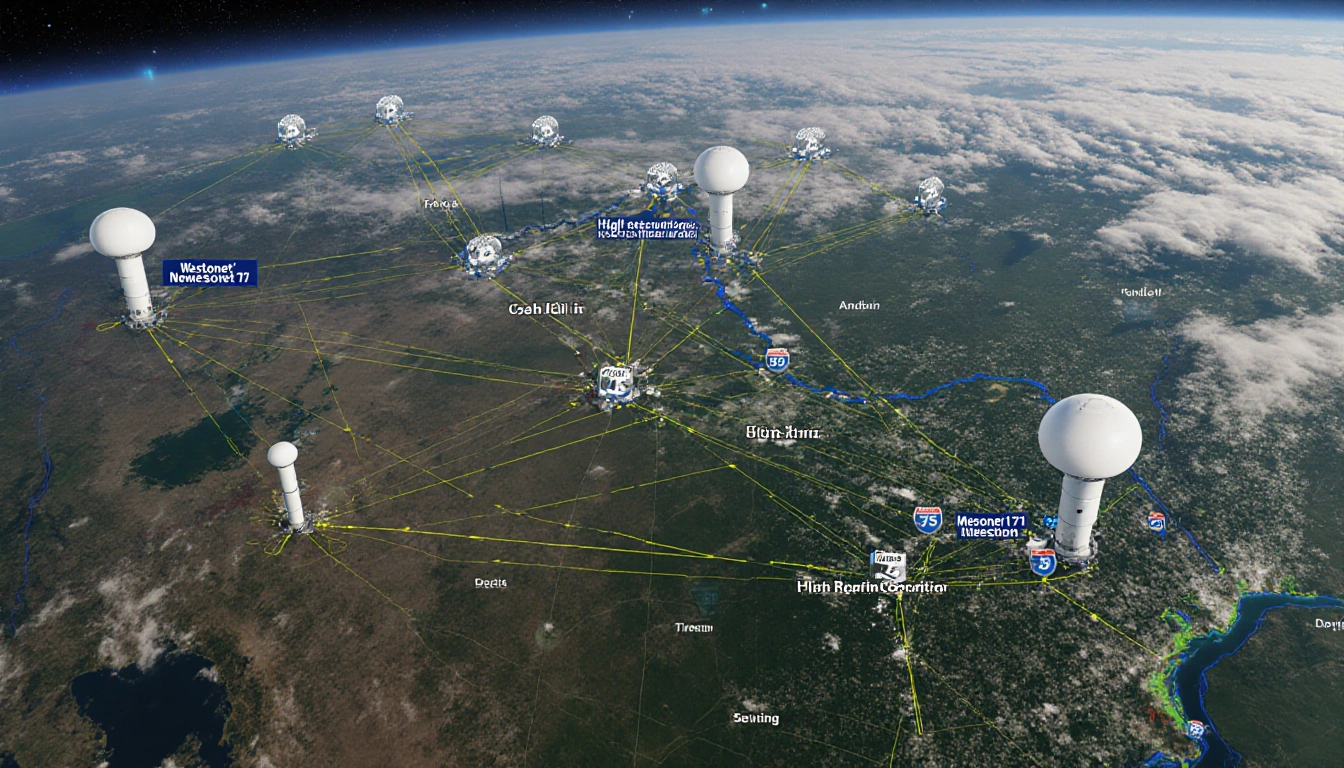
The West Texas Mesonet currently comprises 171 stations that monitor 98 counties. The new expansion will extend coverage into the Texas Hill Country and the Interstate 35 corridor of Central Texas. Hirth said the institute aims to add between 40 and 50 new stations over the next two years. In addition, three new high-resolution weather radars are slated for installation.
Technical Enhancements
Each mesonet station is built on a 33-foot tower that measures 20 atmospheric parameters, including rainfall, temperature, and wind speed. The radars will address coverage gaps in the National Weather Service radar network. Hirth noted that the current radars do not collect data in areas below 3,000 feet, leading to high uncertainty or impossible rainfall estimates. The NWI is evaluating 30 potential locations for the new radars.
Radar Manufacturing and Installation
Manufacturing and installation of the radars are expected to take about a year. Hirth emphasized that the new system will serve solely the state of Texas and help emergency leaders make life-saving decisions. Nick Bannin, chief meteorologist at KXAN, said the system could lead to more accurate forecasts in the future. He added, “The more you know about what’s happening now, the better those models are as they prognosticate over the next several hours or next several days.”
Forecasting and Modeling
The new data collection will feed into the Texas Prediction System (TPS). TPS will be updated four times a day and forecast the next 48 hours. Hirth said the system will use 100 simulations to determine the most accurate forecast. He added, “If we see, OK, there’s going to be a heavy rainfall event in the Hill Country and 50 of those models show 10 inches or more in a certain location, that’ll start to raise the alarm bells of, OK, this is something we need to pay attention to.”
Implementation and Staffing
Hirth said the new modeling system should be operational by next summer, less than a year after the Independence Day floods. To support the expansion, Texas Tech plans to hire remote technicians who can work on the mesonet stations in the Hill Country. The university will also bring on senior-level researchers to run the modeling systems. These hires aim to maintain the high quality of data and analysis.
Key Takeaways
- Texas Tech adds two mesonet stations near Hunt, Texas, after July 4 floods.
- The state awarded $24 million to expand the West Texas Mesonet program.
- New radars and a 100-simulation forecast model aim to improve Texas weather predictions.
These efforts underscore the importance of robust atmospheric monitoring in mitigating the impact of severe weather events. As the new system comes online, Texas residents and emergency officials can expect more timely and accurate warnings. The project represents a significant investment in the state’s ability to protect life and property from future storms.