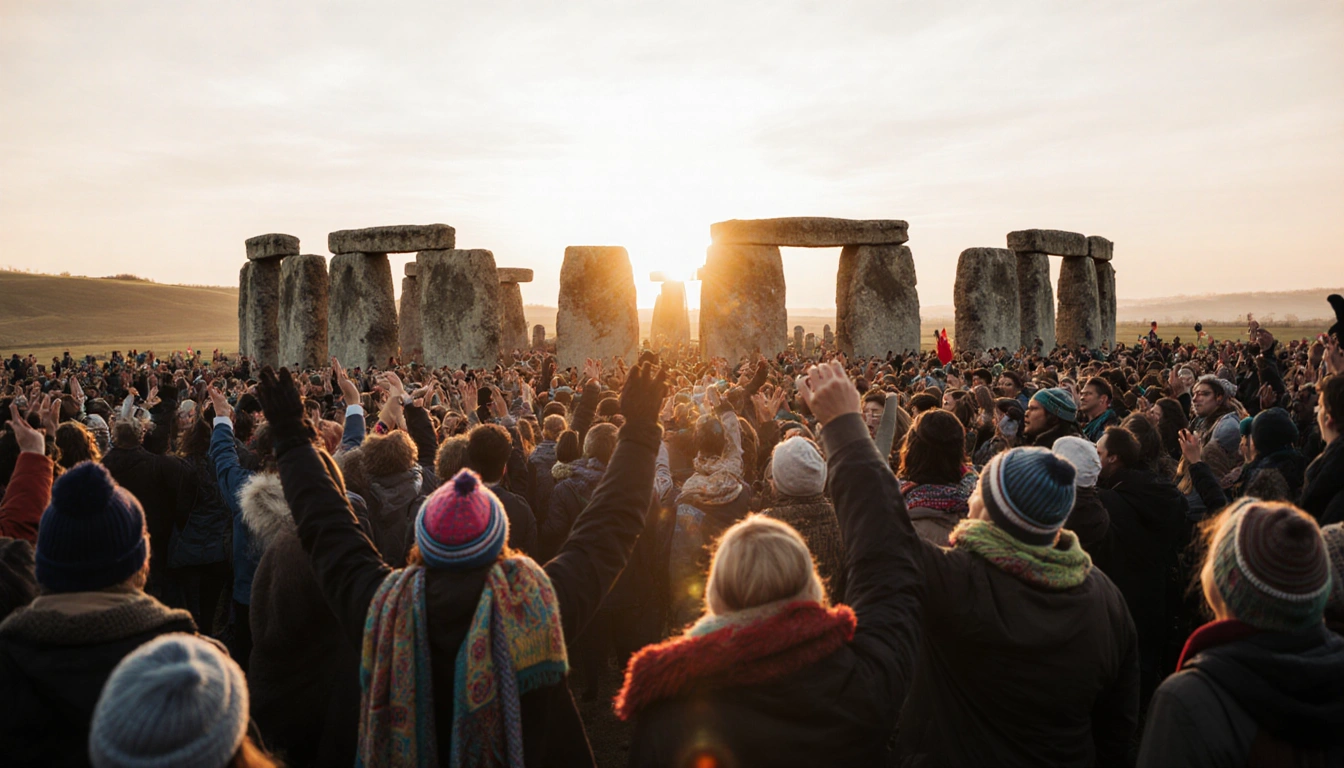
On Sunday, the winter solstice, thousands of people gathered at Stonehenge to welcome the first sunrise of the year, turning the ancient stone circle into a vibrant festival of music and reflection.
The Gathering
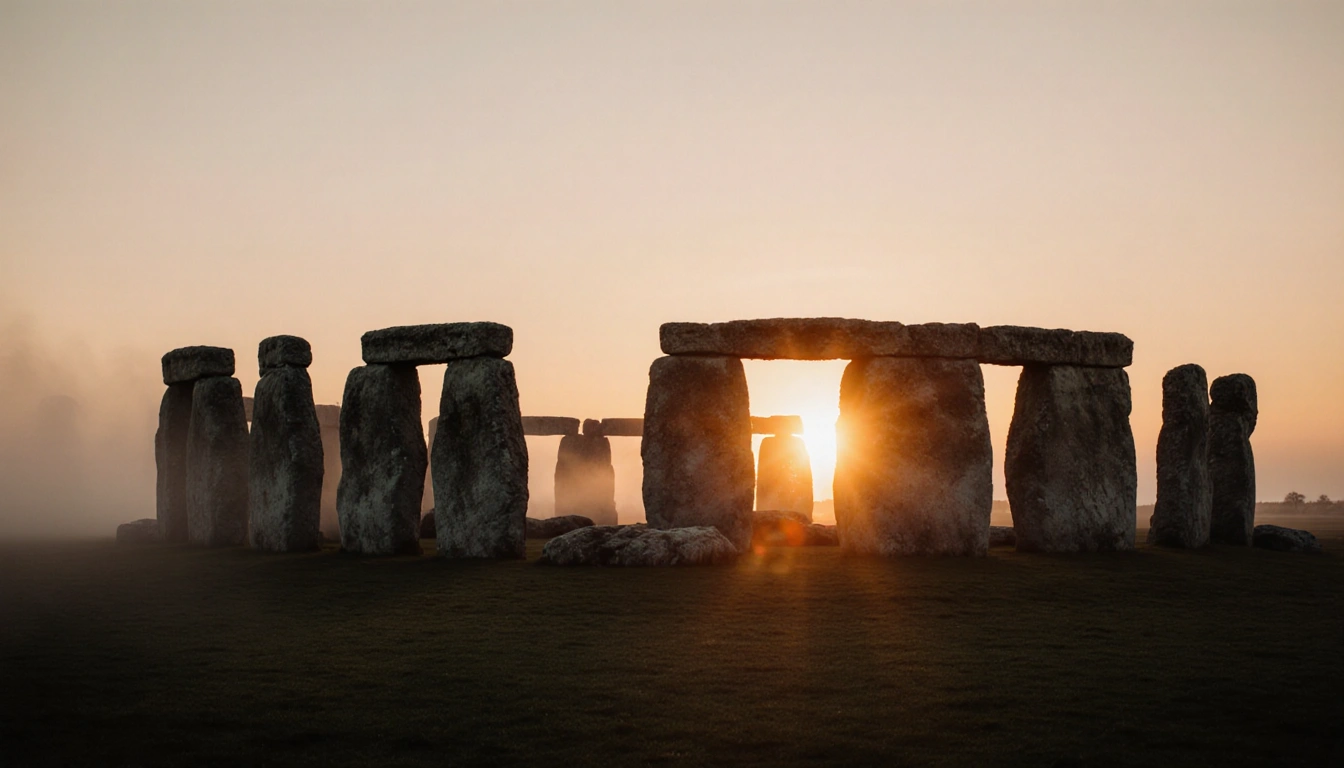
Crowds, many wearing druidic and pagan costumes, arrived before dawn, waiting in the dark, cold field on Salisbury Plain. Some sang and beat drums, while others paused to contemplate the towering stones.
Historical Significance
Stonehenge, erected between 5,000 and 3,500 years ago, was built to align with the sun on solstices, marking key dates for ancient farmers. Pilgrims visit each summer and winter, finding the site a spiritual experience.
Numbers and Reach
English Heritage reported that about 8,500 people celebrated Saturday at the monument, located roughly 75 miles southwest of London. The livestream of the festivities attracted over 242,000 views worldwide.
The Solstice Meaning
Sunday is the shortest day north of the equator, signalling the start of astronomical winter. In the Southern Hemisphere, it is the longest day, marking the beginning of summer. Celebrants view the solstice as a time of renewal, as the sun begins to climb again and days grow longer until late June.
Key Takeaways
- Thousands gathered at Stonehenge to celebrate the winter solstice.
- About 8,500 people attended the event, with a livestream drawing 242,000 viewers.
- The solstice marks the start of astronomical winter in the Northern Hemisphere.
The gathering at Stonehenge highlighted the enduring cultural significance of the ancient monument, drawing crowds from around the world to witness the first sunrise of the year.